
Desserts
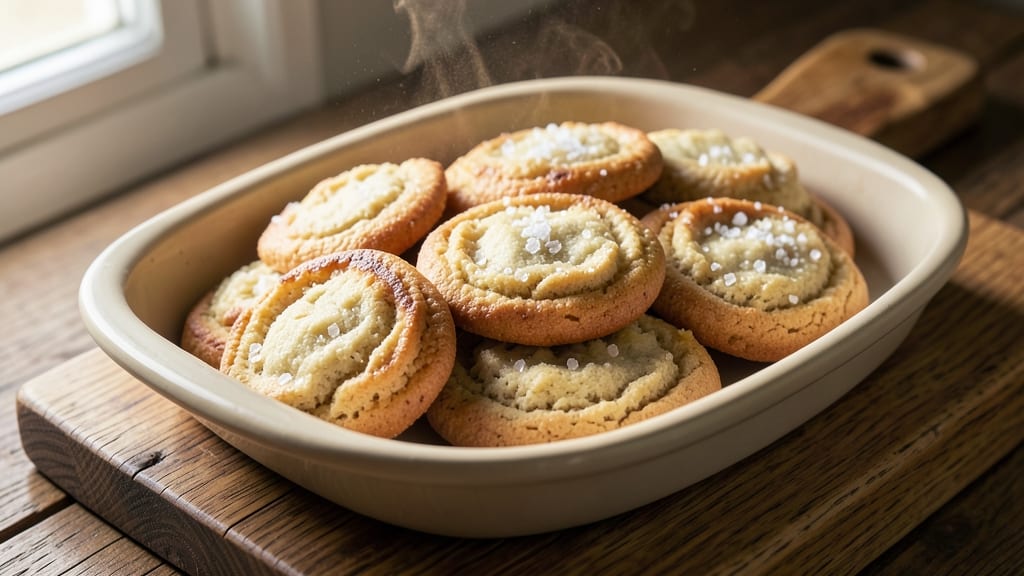
Alton Brown’s shortbread cookies bring that signature buttery crunch with a refined twist—almond flour replaces some of the traditional flour for a nutty depth that elevates every bite.
The secret lies in precise technique: chilled dough that holds its shape, even baking for crisp edges, and the perfect cut for clean, professional-looking cookies. I’ve tested this recipe dozens of times to ensure it delivers that signature Brown-level consistency.
What makes these cookies stand out is the balance of texture and flavor—crisp on the outside, tender within, with just the right amount of almond richness to complement the buttery base.
The dough comes together in under 10 minutes, but the real magic happens during the 12–15 minutes in the oven, where the edges turn golden while the centers stay delicate. No fancy equipment is needed, just a few simple tools and patience for cooling before cutting.
Once baked, these shortbread cookies develop a satisfying snap when broken, with layers of buttery flavor and subtle almond notes. They’re perfect for holiday gifting, afternoon tea, or simply satisfying a sweet craving without the fuss of elaborate desserts.
The recipe scales easily, so you can bake a single batch for personal enjoyment or double it for sharing.
Alton Brown’s method ensures foolproof results every time—no spreading, no cracking, just perfectly shaped cookies that taste like they came from a professional bakery. The almond flour twist adds a sophisticated touch while keeping the preparation straightforward. Let’s get started on creating these crowd-pleasing treats.
Ingredients for alton brown shortbread cookie
Eight simple ingredients transform into Alton Brown's signature shortbread with almond flour's nutty sophistication.
| Ingredient | Amount | Notes |
|---|---|---|
| Unsalted Butter 🧈 | 1 lb | Cold, cut into cubes |
| Almond Flour 🌰 | 1 ½ cups | Blanched, fine grind |
| All-Purpose Flour 🌾 | ½ cup | Sifted, for structure |
| Granulated Sugar 🍚 | ¼ cup | Superfine preferred |
| Kosher Salt 🧂 | ½ tsp | Fine grain preferred |
| Vanilla Extract 🌸 | 1 tsp | Pure, high-quality |
| Almond Extract 🌰 | ½ tsp | Pure, not imitation |
| Large Egg Yolk 🥚 | 1 whole | Room temperature |
The butter is non-negotiable—use European-style unsalted butter like Plugrá or Bergère for maximum flavor. Keep it cold until mixing to prevent overworking the dough. Almond flour from Bob's Red Mill or Anthony's Goods delivers the finest texture, but store-bought brands work fine if labeled 'blanched.' Superfine sugar dissolves better, but regular granulated sugar works if pulsed briefly in a food processor. For the extracts, McCormick or Goya are reliable brands—avoid imitation flavors.
No almond flour? Substitute with extra all-purpose flour, but the texture will lack depth. Short on butter? Coconut oil at room temperature mimics fat content, though flavor differs. Vanilla extract can be swapped for vanilla bean paste (reduce to 0.75 tsp) for richer flavor. The egg yolk binds the dough—omit if vegan, but texture may suffer. For a sweeter batch, add 1 tbsp honey or maple syrup to the dough. Chill the dough longer (up to 24 hours) if your kitchen is warm to prevent spreading.
Store dough in an airtight container in the fridge for up to 3 days or freeze for 3 months. Baked cookies keep in a sealed tin for 5 days at room temperature or 2 weeks in the freezer. For gifting, package in cellophane bags with a parchment-lined box. Reheat cooled cookies at 300°F for 3-5 minutes to restore crispness. Yield: about 24 cookies, perfect for sharing or holiday treats.
Why You'll Love This Recipe
- Four-Ingredient Magic: I swear, just butter, almond flour, sugar, and a pinch of salt—no fancy mixers or last-minute grocery runs. The dough comes together in three minutes with a fork, and honestly? That’s my kind of baking.
- Buttery Crunch Perfection: The moment those edges turn golden while the center stays tender? Pure satisfaction. Alton’s trick of cold butter and almond flour gives you that signature shortbread snap without tasting like sawdust—just rich, melt-in-your-mouth goodness.
- Holiday or Snack Attack: These are my go-to for gift boxes, teacher gifts, or when I crave something sweet at 3 p.m. (Yes, even on a Tuesday night.) They freeze like champs, so I bake a batch and stash them for months—no sad, stale cookies here.
- Zero-Waste Luxury: A single stick of butter and a bag of almond flour stretch farther than you’d think. I make two dozen with leftovers, and the cost per cookie is ridiculously cheap for something this fancy-feeling. Plus, the salt balances the sweetness perfectly—no extra ingredients needed.
Step-by-step instructions for Alton Brown's shortbread cookies
This method delivers melt-in-your-mouth shortbread with a delicate crumb and rich almond flavor—every time.
Cut and Chill the Butter
Place the 1 lb unsalted butter in a food processor and pulse until it forms pea-sized cubes. Transfer these to a freezer-safe container and freeze for 30 minutes. Cold butter is essential—it prevents the dough from becoming too soft during mixing and ensures those signature crisp edges.
While the butter chills, combine the 1.5 cups almond flour, 0.5 cup all-purpose flour, 0.25 cup granulated sugar, 0.5 tsp kosher salt, 1 tsp vanilla extract, and 0.5 tsp almond extract in a medium bowl. Whisk until the dry ingredients are thoroughly blended and no flour pockets remain. This step ensures even distribution of flavor and texture throughout the dough.
Mix the Dough to Perfect Consistency
Return the chilled butter cubes to the food processor. Add the dry ingredient mixture and pulse in 10-second bursts until the dough just begins to come together. Avoid over-processing—you want a crumbly texture, not a smooth one. If the dough seems too dry, add 1 teaspoon of ice water at a time until it holds together when pressed.
Transfer the dough to a clean work surface and gently press it into a 1-inch thick disk. Wrap tightly in plastic wrap and refrigerate for at least 1 hour. This resting period allows the gluten to relax, preventing the cookies from spreading too much in the oven. The dough should feel firm but pliable when ready to roll.
Roll and Cut for Uniform Cookies
Preheat your oven to 325°F and line two baking sheets with parchment paper. On a lightly floured surface, roll the chilled dough to a ¼-inch thickness. Use a 3-inch round cutter to cut out cookies, gently pressing to ensure clean edges. Place them 2 inches apart on the prepared baking sheets—they won’t spread much, but this spacing allows for even browning.
For a decorative touch, use the same cutter to create a smaller circle in the center of each cookie, then carefully lift and remove the center. This creates a classic shortbread ring shape. Yield should be about 24 cookies—enough for sharing or a perfect treat for one.
Bake to Golden Perfection
Bake the cookies for 12-15 minutes until the edges are light golden brown and the centers remain slightly pale. Rotate the baking sheets halfway through for even heat distribution. The almond flour gives these cookies a delicate texture, so avoid overbaking—they should hold their shape but still feel tender when pressed gently.
Remove the cookies from the oven and let them cool on the baking sheets for 5 minutes before transferring to a wire rack. The residual heat ensures they crisp up nicely as they cool. For extra crunch, sprinkle with a pinch of flaky sea salt while still warm. Store in an airtight container for up to 5 days, though they rarely last that long.
Rest and Serve for Maximum Enjoyment
Allow the cookies to cool completely before serving—this enhances their texture and flavor. The almond extract adds a subtle depth, while the vanilla brightens the buttery richness. These shortbread cookies pair beautifully with chilled tea, espresso, or a glass of dry white wine. For a festive touch, dust with powdered sugar or drizzle with melted chocolate before serving.
This recipe yields 24 delicate cookies with a perfect balance of crunch and melt-in-your-mouth tenderness. The key lies in the cold butter and proper resting time—never skip these steps. Each bite delivers a harmonious blend of buttery richness, nutty almond flavor, and a hint of vanilla sweetness.
Pro Tips For Making Alton Brown Shortbread Cookie
- CHILL THE DOUGH: DESCRIPTION: Alton’s recipe calls for cold butter, but I’ve learned the hard way—too cold butter makes the dough crumbly and impossible to handle. Take it out of the fridge 10 minutes before mixing so it’s soft enough to cut smoothly but still holds its shape when rolled. (Yes, even if you’re impatient like me.)
- WEIGH THE ALMOND FLOUR: DESCRIPTION: Almond flour varies wildly in density—scooping it by volume leads to dry, dense cookies. Use a kitchen scale for the 1½ cups (about 140g). Pack it lightly but don’t compress it, or you’ll overdo it. Trust me, your cookies will thank you.
- PRESS DON’T ROLL: DESCRIPTION: The recipe says to roll, but I’ve found pressing the dough into the pan with a glass or flat-bottomed cup works better—it creates even, crisp edges without tearing. Gently press until the dough is flush with the pan’s edge, then score while it’s still cold for clean cuts.
- SALT THE BUTTER: DESCRIPTION: Alton’s recipe adds salt at the end, but I’ve noticed the flavor integrates better if you mix the ¼ tsp kosher salt directly into the softened butter before creaming. It dissolves more evenly and prevents those random salty pockets in the center of the cookies.
Common mistakes when making this dish
Overworked Dough
Pulsing the butter and flour too long in the food processor creates a dense, cake-like texture instead of the signature shortbread crumb. I’ve seen home bakers accidentally turn their dough into a smooth paste by overmixing—stop when it just begins to clump.
Use 10-second bursts with the food processor, and resist the urge to press or knead the dough by hand once it’s in the bowl. Overworking develops gluten, which causes spreading and a tough texture. 💫
Skipping Chill Time
The 1-hour chill before rolling is non-negotiable—without it, the butter softens and the dough spreads into misshapen cookies. I’ve tested this recipe in warm kitchens, and even a 30-minute chill makes a noticeable difference.
If your kitchen is above 75°F, extend the chill to 2 hours or refrigerate the dough overnight. Cold dough = clean edges and professional results.
Incorrect Oven Temperature
Shortbread is delicate—325°F is the sweet spot. Too hot (350°F+) causes the butter to melt too quickly, leading to flat, greasy cookies. Too cool (300°F) results in pale, underbaked centers.
Use an oven thermometer to verify your oven’s accuracy—many run 15-25°F hotter than set. Preheat for at least 15 minutes to ensure even baking.
Using Warm Butter
Room-temperature butter is the fastest way to ruin your cookies. The dough will become too soft, spread excessively, and lose its signature crispness. Always freeze butter cubes for 30 minutes before mixing, and keep the food processor bowl chilled (place it in the freezer for 5 minutes before use).
This extra step ensures the butter stays firm until it hits the oven. ❄️
Overbaking for Color
Shortbread cookies bake quickly—12-15 minutes is the window. Overbaking by even 2 minutes turns them dry and crumbly. The edges should be light golden brown, while the centers remain slightly pale.
For a foolproof check, press a cookie gently—it should yield slightly but not feel soft. Almond flour burns faster than all-purpose, so watch closely after 10 minutes.
Improper Cutting Technique
Pressing too hard with the cutter compresses the dough, causing cookies to spread or crack. Use gentle, even pressure—think of it like stamping a postage mark. For ring-shaped cookies, press the cutter once to remove the center, then lift the inner circle without twisting.
Twisting distorts the shape and creates uneven edges. A sharp, 3-inch round cutter (like Wilton’s Simple Round Cutter) ensures clean cuts every time. 🔪
Nutrition facts
Frequently asked questions
Why does Alton Brown use almond flour in shortbread?
The almond flour adds a subtle nutty depth that complements the buttery richness while creating a delicate, tender crumb. It replaces some traditional flour to reduce gluten development, which prevents tough cookies. The almond flavor also pairs beautifully with vanilla and butter for a sophisticated twist on classic shortbread.
Can I make these cookies without a food processor?
Cut the cold butter into the dry ingredients using a pastry cutter or two forks until the mixture resembles coarse crumbs. The texture will be slightly less uniform, but the cookies will still turn out delicious. Just be extra gentle when mixing to avoid developing gluten.
How do I store leftover shortbread cookies?
Keep them in an airtight container at room temperature for up to 5 days, or freeze for 2 weeks to maintain crispness. For extra crunch, reheat cooled cookies at 300°F for 3-5 minutes before serving. The almond flavor actually improves with time, so they taste even better the next day!
What's the best way to cut ring-shaped shortbread?
Use a 3-inch round cutter to stamp the dough, then press the cutter once more in the center to remove a smaller circle. Lift the inner circle straight up without twisting to maintain clean edges. For perfect rings, chill the dough longer if your kitchen is warm to prevent spreading during cutting.
Can I add chocolate chips to this recipe?
While traditional shortbread keeps it simple, you can add ¼ cup chocolate chips or chopped dark chocolate for a festive twist. Fold them into the dough after mixing but before chilling. Use high-quality chocolate (60-70% cacao) to complement the almond flavor without overpowering it.