Desserts
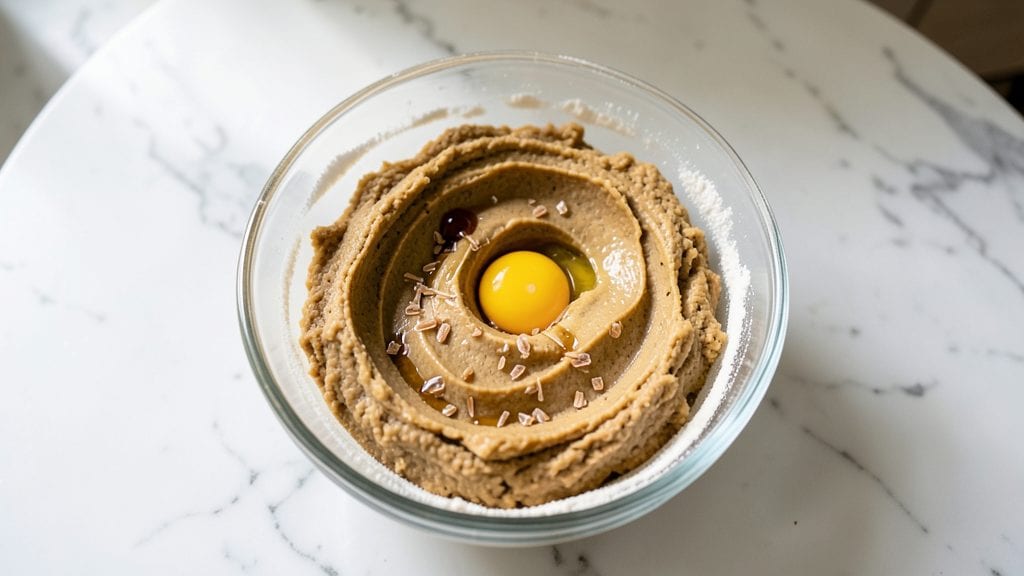
Betty Crocker butter cookies deliver that perfect balance of golden brown edges and soft, melt-in-your-mouth centers—the kind of classic treat that makes every bite feel nostalgic. I’ve perfected this recipe over years of baking, ensuring the dough stays cool enough to roll without spreading too much in the oven.
The secret lies in precise measurements and proper chilling, which keeps the texture just right every time. These cookies are simple enough for beginners but refined enough to impress guests.
What sets these apart is the creaming method, where butter and sugar are beaten until light and fluffy—a step that creates the signature tender crumb. The dough is then chilled to firm up, making it easier to handle and preventing excessive spreading during baking.
With just a few pantry staples, you’ll achieve cookies that taste like they came straight from a bakery, with a buttery aroma that fills your kitchen.
By the time they emerge from the oven, you’ll have perfectly golden cookies with crisp edges and a soft, pillowy center that dissolves at the first bite. The flavor is rich and buttery, with just the right sweetness that makes them irresistible.
Whether you’re baking for a holiday gathering or treating yourself to a classic dessert, these cookies are a foolproof way to bring comfort to any table.
Pair them with a warm glass of milk or serve alongside coffee for the ultimate indulgence. The best part? This recipe scales easily, so you can bake a single batch for personal enjoyment or double it for sharing. Let’s get started on creating these timeless treats.
Ingredients for betty crocker butter cookie
Nine simple ingredients transform into golden-brown butter cookies with melt-in-your-mouth centers.
| Ingredient | Amount | Notes |
|---|---|---|
| Unsalted Butter 🧈 | 1 cup | Softened but not melted |
| Granulated Sugar 🍚 | 1 cup | White sugar preferred |
| Light Brown Sugar 🍚 | ½ cup | Packed firmly |
| Large Eggs 🥚 | 2 whole | Room temperature |
| All-Purpose Flour 🌾 | 2 ½ cups | Sifted for light texture |
| Vanilla Extract 🍯 | 1 tbsp | Pure vanilla preferred |
| Baking Soda 🧂 | ½ tsp | Ensures rise |
| Salt 🧂 | ½ tsp | Fine sea salt |
| Vanilla Bean Seeds (optional) 🍯 | ¼ tsp | Scraped from 1 pod |
The butter is everything here—use European-style butter if you can find it, like Plugrá or Président, for that extra richness. I always grab the Land O’Lakes unsalted from the grocery store when I’m in a pinch, but it’s not quite the same. The sugars need to be packed firmly—tap the cup to settle them. For vanilla, pure Madagascar bourbon is worth the splurge, but the cheap stuff works if you’re short on cash. The flour? King Arthur or Gold Medal are my go-tos—they’re reliable and give consistent results. Pro tip: sift it before mixing to avoid dense cookies.
No vanilla extract? Vanilla bean paste works too—just use half the amount. Short on brown sugar? White sugar plus 1 tsp molasses mimics the flavor. The baking soda is non-negotiable—it’s what gives these cookies their signature lift. If you’ve got baking powder, use 1 tsp instead, but the texture might be slightly different. For the eggs, room temperature is key—cold eggs can cause the dough to spread too much. If you’re in a rush, microwave them for 20 seconds to speed up the process. The optional vanilla bean seeds? Absolutely essential if you’ve got them—they add that extra depth of flavor that makes these cookies taste like a bakery treat.
This dough needs at least 2 hours in the fridge—don’t skip this step! It keeps the cookies from spreading too much in the oven. Portion the dough into 1-tbsp balls for perfect size. Store any leftover dough in an airtight container for up to 3 days or freeze for 3 months. The baked cookies stay fresh for 5 days in a sealed container, but honestly, they rarely last that long. For extra indulgence, pack them in a jar with a ribbon—perfect for gifting or sharing.
Why You'll Love This Recipe
- No-Fuss Mixing: I swear by the creamy butter and sugars—just cream, fold, chill. No food processor, no fancy techniques, just a bowl and a spatula. The dough comes together faster than I can finish a podcast episode.
- Chewy Magic: That perfect balance of crisp edges and soft centers? It’s all in the brown sugar and eggs—rich but not greasy, sweet but not cloying. Honestly, I’ll take these over store-bought any day.
- Holiday or Snack: Wrap them in cellophane for gifts, freeze the dough for last-minute treats, or just grab a handful straight from the jar. They’re my go-to for cookie swaps, teacher gifts, or when I’m craving something sweet at midnight.
- Budget-Friendly Staples: Flour, sugar, butter—ingredients I already have. No specialty items, no markup. A single batch stretches for days, and the leftovers? They disappear faster than I can say “second helping.”
Step-by-step instructions for betty Crocker butter cookies
Here's how to make these legendary cookies with perfect golden edges and tender centers every time.
Cream the Butter and Sugars Together
In a large mixing bowl, combine the 1 cup unsalted butter and 1 cup granulated sugar with the 0.5 cup light brown sugar. Using an electric mixer on medium speed, beat everything together for about 3-4 minutes until the mixture becomes light and fluffy. You'll notice it nearly doubles in volume and turns pale in color - this is crucial for that classic cookie texture.
I like to scrape down the sides of the bowl every minute or so to ensure everything gets evenly incorporated. The reason we wait until the butter is completely creamed is that this step incorporates air, which creates those beautiful crackly tops and helps the cookies spread just enough for that perfect bite.
Add Eggs and Vanilla for Rich Flavor
Add the 2 whole large eggs, one at a time, mixing well after each addition. Then stir in the 1 tablespoon vanilla extract and the optional 0.25 teaspoon vanilla bean seeds if using. Mix on low speed just until combined - about 30 seconds total. You'll see the mixture become smoother and more cohesive, with the vanilla adding that wonderful aromatic depth.
This is where the magic really starts happening. The eggs bind everything together while adding moisture, and the vanilla infuses that classic flavor we all love. I always use room temperature eggs for this recipe - they mix more smoothly and help create a lighter texture.
Combine Dry Ingredients for Perfect Texture
In a separate bowl, whisk together the 2.5 cups all-purpose flour, 0.5 teaspoon baking soda, and 0.5 teaspoon salt. Sift the flour mixture directly over the wet ingredients, then gently mix on low speed just until combined. You should still see some flour streaks - this prevents overmixing which can make cookies tough.
Here's the thing - we're not trying to make a smooth dough yet. The slight flour streaks help create that perfect crumb structure. Once everything is just combined, remove the mixer bowl and fold in any remaining flour by hand using a rubber spatula. The dough should be soft and slightly sticky but hold together when pressed.
Chill the Dough for Perfect Shape
Divide the dough into two equal portions and flatten each into a disk about 1 inch thick. Wrap each disk tightly in plastic wrap and refrigerate for at least 1 hour, but preferably 2 hours. This chilling step is absolutely critical - it firms up the butter so the cookies don't spread too much in the oven.
I know it seems like a long wait, but trust me on this. Cold dough means thicker cookies with crisp edges and soft centers. Plus, it gives you time to preheat your oven and get everything ready. If you're really impatient, you can chill the dough for just 30 minutes, but you might find the cookies spread more than you'd like.
Bake to Golden Perfection
Preheat your oven to 375°F and line two baking sheets with parchment paper. Using a cookie scoop or tablespoon, drop 1-tablespoon portions of dough onto the prepared sheets, spacing them about 2 inches apart. Flatten each portion slightly with your fingers to about ½-inch thickness - this helps them bake evenly.
Bake for 9-11 minutes until the edges are golden brown but the centers still look slightly soft. They'll continue cooking on the hot baking sheet after you remove them from the oven. The key is to pull them out when they look just barely done - they'll firm up as they cool. Let them cool on the baking sheets for 5 minutes before transferring to a wire rack to cool completely.
Pro Tips For Making Betty Crocker Butter Cookie
- Cream Butter Slowly: Dump cold butter into the sugar mix and pulse your mixer until it’s just softened—no need to melt it completely. I learned this the hard way after ending up with greasy cookies that spread like pancakes. The goal is small, pea-sized clumps, not a soupy mess.
- Whisk Eggs First: Beat the eggs in a separate bowl until frothy before adding them to the dough. This keeps the texture lighter and prevents overmixing the flour later. (Yes, even if you’re impatient like me—trust the process.)
- Chill Dough Twice: After mixing, refrigerate the dough for at least 2 hours, then shape the balls and freeze them for 15 minutes before baking. Skipping the second chill means uneven baking and cookies that flatten into sad pancakes.
- Use Room-Temp Butter: Let the unsalted butter sit out for 30–45 minutes until it’s soft but not melted—about 65°F. Cold butter creates tough cookies; melted butter makes them greasy. (Your future self will thank you.)
Troubleshooting this recipe
Dough Too Sticky
If your dough feels too sticky to handle, you likely overmixed the wet and dry ingredients. The secret is to mix just until combined—about 30 seconds after adding the flour. For extra insurance, chill the dough for 30-60 extra minutes to firm it up.
If it’s still unmanageable, sprinkle a tiny bit of flour on your work surface (just 1-2 tablespoons total) and fold it in gently with a rubber spatula. 🧑🍳
Cookies Spread Too Much
Over-spreading usually means your dough wasn’t chilled long enough or your oven ran hot. First, always chill the dough for at least 2 hours—this firms up the butter. If you’re in a hurry, flatten the dough disks slightly thicker (1.5 inches) before chilling.
Also, check your oven temperature with an oven thermometer—many ovens run 25-50°F hotter than set, causing excessive spreading. Bake at 350°F instead of 375°F if needed.
Cookies Too Dense
Dense cookies often result from overmixing or using cold eggs. To fix this, sift the flour before mixing and avoid overworking the dough—just combine until just combined. Use room-temperature eggs (microwave for 20 seconds if needed) and cream the butter and sugars for 3-4 minutes until light and fluffy.
If your dough feels tough, add 1 tablespoon of milk or heavy cream to soften it before baking. 💡
Edges Too Pale
Pale edges mean your cookies didn’t bake long enough or your oven wasn’t hot enough. Increase baking time by 1-2 minutes and ensure your oven is calibrated. For extra color, rotate the baking sheets halfway through baking.
If your cookies still look pale, try baking them on the middle rack (not the top) for even heat distribution. A light spray of water on the oven rack before baking can also help create a crispier, browner edge.
Cookies Flat and Cracked
Flat, cracked cookies usually mean the dough was too warm or the butter melted too quickly. Chill the dough longer (up to 4 hours) and use European-style butter (like Plugrá) for higher fat content, which resists melting.
If your kitchen is warm, refrigerate the dough disks on a tray before shaping. For extra thickness, flatten the dough balls slightly thicker (⅝ inch) before baking. Avoid overbaking—pull them out when edges are just golden. ✨
Dough Won’t Hold Shape
If the dough crumbles when rolling, it’s likely too dry. Add 1 tablespoon of milk or melted butter and knead gently by hand. If it’s still too stiff, let it rest at room temperature for 10 minutes before chilling again.
For extra stability, use a higher-fat butter (like 82% fat European butter) or add 1 tablespoon of sour cream to the dough. Always handle the dough gently—overworking it breaks down the gluten and weakens structure.
Nutrition facts
Frequently asked questions
Why do these butter cookies need to chill before baking?
Chilling the dough for at least 2 hours is crucial because it firms up the butter, preventing excessive spreading in the oven. This step also helps develop deeper flavors and creates those perfect golden edges with soft centers. Think of it as giving the cookies time to "set up" before baking.
Can I use salted butter instead of unsalted?
You can substitute salted butter, but you'll need to reduce the added salt in the recipe to ¼ teaspoon instead of ½ teaspoon. The dough might taste slightly saltier, so taste test before baking. For the most consistent results, unsalted butter is recommended.
How do I store leftover butter cookies?
Keep baked cookies in an airtight container at room temperature for up to 5 days. For longer storage, freeze the cookies (unbaked or baked) for up to 3 months. To reheat, place them in a 350°F oven for 3-5 minutes to restore that fresh-baked aroma.
What's the secret to getting that crackly top?
The crackly tops come from proper creaming of butter and sugars (until light and fluffy) and baking at the right temperature (375°F). For extra crackle, bake just until edges are golden but centers are still soft—overbaking destroys the texture. A light spray of water on the oven rack before baking also helps create that signature crack.
Can I make these cookies without vanilla extract?
Yes! Substitute with 1 teaspoon vanilla bean paste or ½ teaspoon almond extract (though flavor will differ). For a citrus twist, add 1 teaspoon lemon zest** along with the vanilla. The cookies will still taste delicious, just with a different flavor profile.