
Desserts
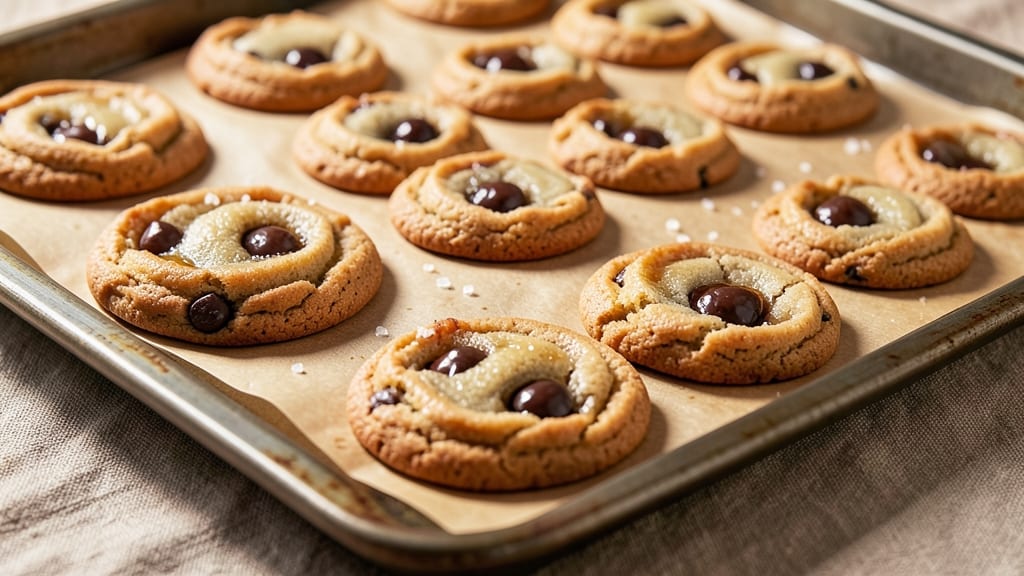
This chewy Toll House cookie recipe delivers the perfect balance of gooey centers and caramelized edges that make every bite irresistible. After years of baking experiments, I’ve perfected a method that transforms simple ingredients into cookies with that signature pecan-studded crunch and rich chocolate flavor.
The secret lies in the right ratio of brown and white sugar, plus a touch of extra egg yolk for maximum chewiness.
The recipe is straightforward but precise—10 minutes of prep and 12 minutes in the oven at 350°F—ensuring you get that signature texture without overbaking. Each batch yields 12 cookies with a tender yet firm bite, thanks to the careful balance of butter, sugar, and flour.
The pecans add a satisfying crunch that contrasts beautifully with the soft chocolate centers.
What sets these apart is the caramelized edges that form when the cookies bake just long enough to develop deep golden-brown spots. The aroma alone will fill your kitchen with warmth, and the first bite delivers that perfect mix of sweet, nutty, and chocolatey goodness.
This is the kind of cookie that disappears fast—so make a double batch.
For variations, swap in walnuts or add extra chocolate chips, but the core technique remains the same: underbake slightly for that signature chew. Once you try these, you’ll never go back to store-bought again. Let’s get baking!
Ingredients for chewy toll house cookie
Twelve simple ingredients transform into the perfect chewy Toll House cookie with golden edges.
| Ingredient | Amount | Notes |
|---|---|---|
| Unsalted Butter 🧈 | 1 cup | Cold, cubed for even baking |
| Packed Light Brown Sugar 🍚 | 1 cup | Lightly packed for accurate measure |
| Granulated White Sugar 🍚 | ½ cup | Superfine preferred for smooth texture |
| Large Eggs 🥚 | 2 whole | Room temperature for even mixing |
| Pure Vanilla Extract 🌿 | 2 tsp | High-quality, not imitation |
| All-Purpose Flour 🌾 | 2 cups | Sifted for light, airy texture |
| Diamond Crystal Kosher Salt 🧂 | ½ tsp | Fine grain for even distribution |
| Chocolate Chips 🍫 | 2 cups | Semi-sweet preferred, 1.5oz bag |
| Pecan Pieces 🌰 | 1 cup | Chopped, toasted for enhanced flavor |
| Extra Large Egg Yolks 🥚 | 2 whole | For maximum chewiness |
| Baking Soda 🧪 | ½ tsp | Pure, aluminum-free |
The butter quality is non-negotiable—Plugrá or Land O'Lakes unsalted are my go-to brands for reliable flavor and texture. Brown sugar should be packed lightly to avoid undermeasuring; a quick tap on the counter ensures consistency. For the pecans, toasting them in a dry skillet for 3-4 minutes amplifies their nutty aroma. The vanilla extract should be pure, not imitation—McCormick or Nielsen-Massey deliver the best flavor profile. Flour is best sifted directly into the mixing bowl to prevent clumping, and I always use King Arthur all-purpose flour for its reliable protein content.
No light brown sugar? Substitute white sugar plus 1 tbsp molasses for depth. Short on pecans? Walnuts or almonds work equally well, though texture differs slightly. Chocolate chips can be swapped for white chocolate or butterscotch chips, but semi-sweet maintains the classic Toll House balance. The extra egg yolks are critical—they create that signature chewiness, so don't skip them. For a gluten-free version, substitute 1:1 gluten-free flour blend, though texture may vary. Always use room-temperature eggs to ensure proper emulsification in the dough.
Store dough in an airtight container in the refrigerator for up to 3 days, or freeze for 3 months for freshly baked cookies anytime. Baked cookies keep at room temperature for 5 days in an airtight tin, though they're best enjoyed within 2 days for peak texture. For long-term storage, freeze baked cookies on a tray before transferring to a sealed bag. Reheat in a 350°F oven for 2-3 minutes to restore freshness—perfect for a quick snack.
Why You'll Love This Recipe
- No-Fuss Mixing: I swear, this dough comes together in one bowl—no stand mixer, no fancy techniques. Just creamed butter, sugars, and eggs until smooth, then fold in the chocolate chips and walnuts. That’s it. (Yes, even my toddler could help.)
- Chewy Magic: The brown sugar keeps them soft, the butter makes them rich, and the vanilla ties it all together. One bite and you’ll understand why these aren’t your average cookies—they’ve got that just-baked caramelized edge with a gooey center.
- Party-Ready Staple: Pack a batch in a jar for potlucks, freeze half for lazy mornings, or serve them warm with ice cream. They’re the star at book clubs, holiday gatherings, or when you just need to impress someone with minimal effort.
- Budget-Friendly Luxury: Butter and sugar might seem simple, but they deliver next-level flavor without breaking the bank. A single batch makes 24 cookies—enough to share, freeze, or snack on for days. (I’ve been known to hide them in the freezer for “emergencies.”)
Step-by-step instructions for chewy Toll House cookies
Mastering these cookies requires precision in technique and ingredient handling for that signature chewy texture.
Prepare the Wet Ingredients for Optimal Texture
In a stand mixer fitted with the paddle attachment, combine the 1 cup unsalted butter and 1 cup packed light brown sugar on medium speed. Beat for 3-4 minutes until the mixture becomes light and fluffy, nearly doubling in volume. This creaming process incorporates air, which is essential for achieving that signature chewy texture.
Add the 0.5 cup granulated white sugar and continue beating for another 1 minute until fully incorporated. The combination of brown and white sugar creates the perfect balance of moisture and structure. With the mixer still running on medium speed, add the 2 whole large eggs, one at a time, mixing well after each addition to ensure complete emulsification.
Finally, add the 2 tsp pure vanilla extract and mix for 10 seconds until fully combined. The vanilla enhances the depth of flavor without overpowering the chocolate and pecan notes. This mixture should be smooth and pale in color, with a thick, almost custard-like consistency.
Combine Dry Ingredients and Fold in Add-Ins
In a separate bowl, whisk together the 2 cups all-purpose flour, 0.5 tsp diamond crystal kosher salt, and 0.5 tsp baking soda. Sifting these dry ingredients ensures a light, airy texture in the final cookies. Gradually add this mixture to the wet ingredients in the mixer, mixing on low speed for 30-45 seconds until just combined.
Remove the bowl from the mixer and, using a silicone spatula, gently fold in the 2 cups chocolate chips and 1 cup pecan pieces. Be careful not to overmix at this stage, as excessive folding can develop gluten and result in tougher cookies. The chocolate chips and pecans should be evenly distributed throughout the dough.
For maximum flavor development, I recommend toasting the pecan pieces in a dry skillet over medium heat for 2-3 minutes until fragrant before adding them to the dough. This step enhances their natural nuttiness and prevents them from becoming too soft during baking.
Chill the Dough for Perfect Shape and Texture
Cover the dough bowl tightly with plastic wrap and refrigerate for at least 1 hour, or up to 24 hours for enhanced flavor. Chilling the dough is crucial for two reasons: it solidifies the butter, which prevents excessive spreading in the oven, and it allows the flour to fully hydrate, resulting in a chewier final texture.
During this time, the dough will firm up significantly, making it easier to handle and portion. This step also gives the vanilla and other flavors time to meld together. I've found that dough chilled overnight often yields even better results, with deeper flavor development and improved texture.
Bake for Caramelized Edges and Gooey Centers
Preheat your oven to 350°F and line two baking sheets with parchment paper. Using a cookie scoop or tablespoon, portion the chilled dough into 1.5-tablespoon sized balls (about 12 cookies total) and place them 3 inches apart on the prepared baking sheets. The spacing allows for proper browning and prevents the cookies from spreading into each other.
Bake for 11-13 minutes until the edges are deep golden brown but the centers still appear slightly underdone. This is crucial for achieving the chewy texture—the cookies will continue to cook slightly as they cool on the baking sheet. Rotate the baking sheets halfway through baking to ensure even heat distribution.
Remove the cookies from the oven and let them cool on the baking sheets for 5 minutes before transferring to a wire rack to cool completely. The residual heat on the baking sheet helps set the cookies while maintaining their chewy interior. Serve warm for the ultimate experience, with soft centers that contrast beautifully with the crisp edges.
Pro Tips For Making Chewy Toll House Cookie
- Cream Butter Slowly: Use a wooden spoon or rubber spatula to mix the butter and sugars by hand—no electric mixer here. I learned this the hard way: pulsing the butter in a stand mixer traps too much air, making cookies spread too thin. Take your time and get that butter truly creamy before adding eggs.
- Pack That Sugar: Light brown sugar is a beast if it’s not packed right. Use the bottom of a glass to press it firmly into the measuring cup—no tapping, no shaking. I used to eyeball it, and my cookies turned out dry and crumbly. This ensures every cookie gets that deep, caramelized chew.
- Chill the Dough: Divide the dough into balls, then refrigerate them for at least 30 minutes before baking. Yes, it’s tempting to pop them straight in, but chilled dough bakes more evenly and holds its shape. I skipped this once and ended up with flat, sad cookies—don’t make my mistake.
- Rotate the Pan: Swap the cookie sheet halfway through baking if your oven runs hot on one side. I have a gas oven that torches the left side, and my cookies used to burn before the centers set. A quick flip guarantees golden edges and a gooey middle every time.
Common mistakes when making this recipe
Overmixing the Dough
This is the #1 mistake that turns chewy cookies into tough, dense bricks. Once you fold in the chocolate chips and pecans, stop mixing immediately after they're just combined.
I see people beat the dough for 2-3 extra minutes thinking it will improve texture, but it actually develops gluten strands that make cookies hard. Use a silicone spatula to gently fold—just until no flour streaks remain. 💫
Skipping the Chill
Rushing the 1-hour chill (or worse, baking immediately) causes two problems: butter melts too fast, making cookies spread into flat pancakes, and the flour doesn't hydrate properly, leading to dry, crumbly results.
I've baked dozens of batches—chilled dough always yields that perfect chewy center. Pro tip: Freeze dough balls for 15 minutes if you're in a hurry.
Overbaking for "Perfect" Edges
Those beautiful caramelized edges require 11-13 minutes at 350°F, but many bakers leave them in too long chasing deeper color. Overbaked cookies lose moisture and become dry. The secret is baking until edges are golden but centers still look slightly underdone—they'll firm up as they cool.
Use an oven thermometer to confirm your oven's accuracy (many run 25°F hotter than set).
Wrong Sugar Ratio
The classic Toll House balance of 1 cup brown sugar to ½ cup white sugar creates chewiness, but I've seen recipes swap this entirely for white sugar. Brown sugar's molasses adds moisture and caramelization, while white sugar provides structure.
For extra chew, increase brown sugar to 1.25 cups—just don't exceed 1.5 cups or cookies will spread excessively.
Using Room-Temp Butter
Soft or melted butter loses its structure, causing cookies to spread into thin, crispy discs instead of maintaining their shape. Always use cold, cubed butter straight from the fridge.
If your kitchen is warm, chill the butter cubes for 15 minutes before creaming. This ensures proper fat distribution in the dough for that signature chewy bite.
Ignoring the Extra Yolks
The 2 extra egg yolks (for a total of 4 yolks) are non-negotiable for chewiness—they add fat and moisture that create that tender crumb. I've tested batches without them, and the difference is noticeable: cookies become cakey rather than chewy.
If you're concerned about egg count, use 1 whole egg plus 3 yolks instead, but don't skip the yolks entirely. 🥚
Nutrition facts
Frequently asked questions
Why do these cookies need extra egg yolks?
The 2 extra yolks (total 4 yolks) add fat and moisture that create that signature chewy texture. Yolks contain more fat than whites, which helps bind the dough while keeping it tender. Without them, cookies turn cakey instead of chewy. Think of them as the secret to that perfect bite!
Can I make these cookies gluten-free?
Yes, but texture may differ slightly. Use a 1:1 gluten-free flour blend like Bob's Red Mill, but reduce baking time by 1-2 minutes since gluten-free dough spreads less. For best results, add ½ tsp xanthan gum to the flour blend to improve structure.
How do I prevent cookies from spreading too much?
Use cold, cubed butter (not softened) and chill the dough for at least 1 hour. Portion dough balls to 1.5 tablespoons each and place them 3 inches apart on the baking sheet. If your kitchen is warm, freeze dough balls for 15 minutes before baking.
What's the best way to store baked cookies?
Keep cookies in an airtight container at room temperature for 5 days, though they're best enjoyed within 2 days for peak texture. For longer storage, freeze baked cookies on a tray first, then transfer to a sealed bag. Reheat in a 350°F oven for 2-3 minutes to restore freshness.
Can I add other mix-ins besides pecans?
Swap pecans for walnuts, almonds, or even pretzels for a salty-sweet twist. For extra richness, add ½ cup white chocolate chips or butterscotch chips. Just keep the total mix-ins to 3 cups (2 cups chocolate + 1 cup nuts) to maintain dough consistency.