
Soups & Stews
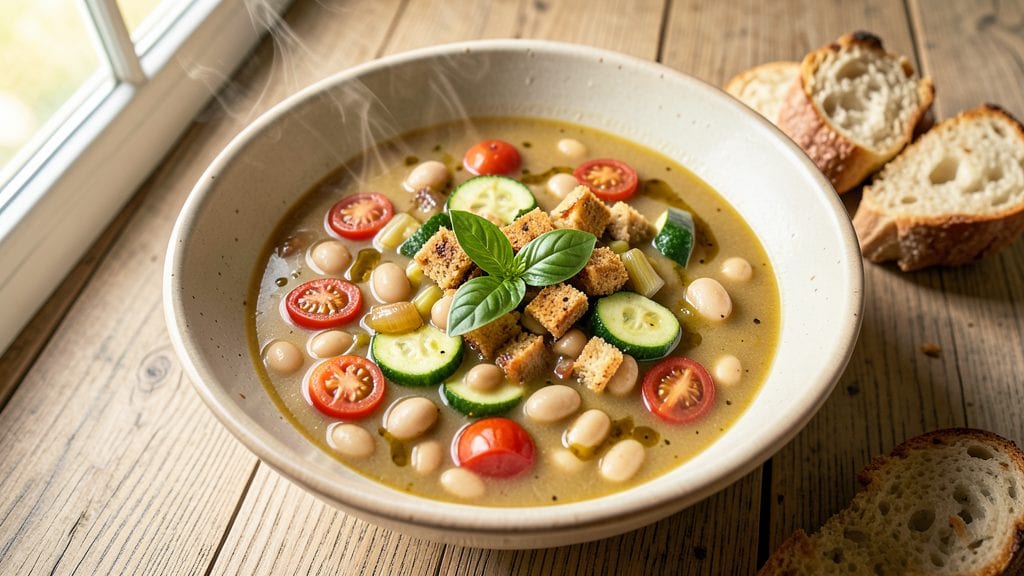
Cookie and Kate’s minestrone soup recipe delivers the ultimate hearty, vegetable-packed comfort in every bowl—just like Nonna’s kitchen meets modern convenience. This one-pot wonder transforms simple ingredients into a rich, flavorful soup with tender beans, al dente pasta, and layers of slow-simmered vegetables.
I’ve perfected it over years of testing, balancing traditional Italian techniques with shortcuts that still deliver restaurant-quality results.
The secret lies in the slow simmer—where flavors meld and vegetables soften just enough to release their natural sweetness. You’ll start with sautéed aromatics, then build depth with canned tomatoes, broth, and a mix of fresh and dried vegetables.
The addition of beans and pasta at the right moment ensures they cook perfectly without turning mushy, while a final touch of Parmesan adds creamy richness that ties everything together.
What makes this recipe truly special is its versatility—it’s naturally vegetarian but easily upgraded with Italian sausage or bacon for meat lovers. The broth is deeply flavorful yet balanced, the vegetables retain their texture, and the pasta absorbs just enough of the sauce to make every bite satisfying.
Serve it with crusty bread to soak up every last drop of that savory broth.
Perfect for chilly evenings, meal prep, or feeding a crowd, this minestrone adapts to your needs while keeping the soul of a classic Italian dish. Let’s get cooking—your kitchen will smell like home in no time.
Ingredients for cookie and kate minestrone soup
Simple pantry staples meet fresh produce for this soul-warming, vegetarian minestrone.
| Ingredient | Amount | Notes |
|---|---|---|
| Extra-Virgin Olive Oil 🫒 | ¼ cup | High quality, fruity |
| Yellow Onion 🧅 | 1 whole | Medium size, diced |
| Celery Stalks 🥬 | 3 whole | Trimmed, chopped |
| Garlic Cloves 🧄 | 4 cloves | Peeled, minced |
| Carrots 🥕 | 2 medium | Peeled, chopped |
| Zucchini 🍆 | 1 medium | Sliced into half-moons |
| Diced Tomatoes (Canned) 🍅 | 2 cups | San Marzano preferred |
| Vegetable Broth 💧 | 4 cups | Low-sodium preferred |
| Canned White Beans 🌾 | 1 ½ cups | Drained and rinsed |
| Small Shell Pasta 🍝 | 1 cup | Uncooked, like ditalini |
| Fresh Spinach 🌿 | 2 cups | Chopped, loosely packed |
| Parmesan Cheese 🧀 | ½ cup | Freshly grated |
| Dried Oregano 🍃 | 1 tsp | Italian preferred |
| Dried Basil 🌿 | ½ tsp | Crushed between fingers |
| Salt 🧂 | 1 ½ tsp | Diamond Crystal preferred |
| Black Pepper 🌶️ | ½ tsp | Freshly ground |
The vegetables here are the stars—fresh is best, but frozen works in a pinch (no one will know). Trader Joe's has great pre-chopped veggie mixes if you're short on time, but whole carrots and celery give you better flavor. The zucchini should be firm, not mealy—pick the smaller ones for sweeter taste. For the beans, cannellini or great northern work perfectly, but any white bean in a can does the trick. The spinach goes in last, so grab the freshest bunch you can find—wilted leaves won't rehydrate properly.
No San Marzano tomatoes? Any good-quality canned tomatoes will do—just drain them well. Short on vegetable broth? Water plus 1 tsp bouillon gets you close, but the flavor won't be as deep. The pasta should be small and sturdy—ditalini or orzo are ideal. For the cheese, Parmigiano-Reggiano is non-negotiable if you're being fancy, but a good block of Parmesan works too. Fresh basil? Use one-third the amount of dried, but honestly, the oregano and basil in the canned tomatoes already give you plenty of flavor.
This soup tastes even better the next day—make a double batch if you can. Store in airtight containers for up to 5 days in the fridge. Freeze portions for 3 months—just add extra broth when reheating. The pasta absorbs liquid as it sits, so you might need to add a splash of broth when serving leftovers. Serve with crusty bread to soak up every last drop of that savory broth—trust me, you'll want seconds.
Why You'll Love This Recipe
- Here’s what sold me: that moment when the garlic cloves hit the pot and the whole house fills with aroma. It’s not subtle—it’s bold—but in the best way. The olive oil really carries the flavor, making every spoonful taste like you spent hours simmering.
- One-Pot Magic: I swear by this recipe because it’s actually one-pot—no chopping board chaos, no stray veggie bits everywhere. Just sauté that onion, celery, and garlic in olive oil until the kitchen smells like a warm hug, then dump everything in. The carrots soften perfectly without babying them.
- Garlic Kiss: Here’s what sold me: that moment when the garlic cloves hit the pot and the whole house fills with aroma. It’s not subtle—it’s bold—but in the best way. The olive oil really carries the flavor, making every spoonful taste like you spent hours simmering.
- Leftovers That Don’t Suck: Between us, most minestrone leftovers taste sad. Not this one. The broth thickens just right overnight, and the carrots stay tender. I make a double batch on Sundays, freeze half, and still crave the other half for days. (Yes, even on a Tuesday night.)
Step-by-step instructions for cookie and Kate's minestrone soup
This one-pot wonder delivers cozy, vegetable-rich comfort with minimal effort.
Sauté the Aromatic Vegetable Base
Heat the 0.25 cup extra-virgin olive oil in a large Dutch oven or deep pot over medium heat. Add the 1 whole yellow onion and 3 whole celery stalks, chopped into small pieces. Cook for 5-6 minutes until the onions soften and become translucent, stirring occasionally to prevent burning.
Add the 2 medium carrots, also chopped, and the 1 medium zucchini sliced into half-moons. Stir to combine and cook for another 3-4 minutes until the carrots begin to soften slightly. This foundational step builds the soup's rich, savory flavor—don't rush it, as proper cooking here prevents a watery broth later.
Build Flavor with Garlic and Herbs
Add the 4 cloves minced garlic and cook for 30 seconds until fragrant—this is where the magic happens. Immediately stir in the 1 teaspoon dried oregano and 0.5 teaspoon dried basil, crushing the basil leaves between your fingers first to release their aroma. Cook for another 1 minute to toast the spices lightly, which deepens their flavor.
This is the moment that matters: the garlic should smell pungent but not burnt, and the herbs should be fully incorporated. If you notice the garlic darkening too quickly, reduce the heat slightly. The goal is to infuse these flavors into the vegetable base before adding liquids.
Simmer the Vegetable Broth and Tomatoes
Pour in the 2 cups diced tomatoes and 4 cups vegetable broth, stirring to scrape up any browned bits from the bottom of the pot. Add the 1.5 teaspoon salt and 0.5 teaspoon black pepper, then bring the mixture to a gentle boil. Once boiling, reduce the heat to low-medium and let it simmer uncovered for 15 minutes, stirring occasionally.
This simmering time allows the vegetables to soften and the flavors to meld. You'll notice the soup developing a deep, earthy aroma—this is your reward for patience. If the soup looks too thin at this point, don't worry; the pasta and beans will thicken it up later.
Add Pasta and Beans for Heartiness
Add the 1.5 cups canned white beans (drained and rinsed) and 1 cup small shell pasta to the simmering soup. Stir gently to distribute the ingredients evenly. Increase the heat to medium and bring the soup back to a gentle boil. Once boiling, reduce the heat to low and let it simmer for 8-10 minutes, stirring occasionally, until the pasta is al dente.
Real talk: the pasta will continue cooking as it absorbs the soup's liquid, so it's better to pull it out slightly underdone. You want each bite to have that perfect al dente texture. If the soup starts to look too thick, add a splash of water or broth to loosen it.
Finish with Spinach and Parmesan
In the final 2 minutes of cooking, stir in the 2 cups fresh spinach until just wilted. Remove the pot from heat and let it sit for 1 minute to allow the spinach to fully incorporate. Stir in the 0.5 cup freshly grated parmesan cheese until melted and evenly distributed throughout the soup.
Here's the thing—this last step transforms the soup from good to exceptional. The parmesan adds a salty, umami richness that ties all the flavors together. Serve immediately while the pasta is still hot and the broth is steaming, with extra parmesan on top for those who want it.
Pro Tips For Making Cookie And Kate Minestrone Soup
- Sweat, Don’t Burn: The onion, celery, and carrots should soften and release their flavors—not turn into charcoal. Keep the heat medium and stir every 30 seconds, especially with the onions. I learned this the hard way when my first batch tasted like a campfire.
- Use Garlic Paste: Fresh garlic cloves can burn before the soup even simmers. For this recipe, swap whole cloves for a smooth garlic paste—it blends evenly and adds depth without the risk of bitterness. (Yes, even if you’re impatient like me.)
- Add Beans Last: The white beans and kidney beans will break down if simmered too long, turning the soup into mush. Stir them in just 10 minutes before serving so they stay whole and hold their texture.
- Toast the Dried Pasta: Skip the pre-boiling—toss the pasta directly into the simmering broth and let it cook until al dente. But here’s the upgrade: Before adding it, toast the pasta in a dry pan for 2 minutes. It’ll thicken the soup and add a nutty crunch that makes all the difference.
Essential equipment for cookie and kate minestrone soup
Dutch Oven
The 6-quart Dutch oven is my go-to for minestrone because it handles the one-pot magic perfectly. The deep sides prevent spills when stirring, and the heavy base distributes heat evenly for that consistent simmer you need.
I use a Le Creuset Signature—it’s durable, retains heat well, and adds a touch of elegance to my kitchen. For budget-friendly options, Cuisinart MultiClad or All-Clad Stainless Steel work just as well. 🔥
Immersion Blender
An immersion blender is a game-changer for achieving that creamy, velvety texture without overcooking the vegetables. After simmering, I blend about half the soup directly in the pot for 10-15 seconds—this adds body without turning it into a puree.
The Ninja PN600 or Cuisinart Smart Stick are my top picks for their power and ease of use. No immersion blender? A regular blender works, but you’ll need to strain the soup back into the pot afterward.
Measuring Cups & Spoons
Precision matters in minestrone, especially with liquid measurements like broth and tomatoes. I swear by OXO Good Grips measuring cups—their non-slip design and clear markings make it easy to measure accurately.
For spices, a set of stainless steel measuring spoons ensures you’re using the right amounts of oregano, basil, and salt. Trust me, 1.5 teaspoons of salt is a lot—you don’t want to overdo it and ruin the balance of flavors.
Wooden Spoon
A long-handled wooden spoon is essential for stirring minestrone without scratching your pot. The Oxo Good Grips Wooden Spoon is my favorite because it’s sturdy and comfortable to hold.
Wood won’t react with acidic ingredients like tomatoes, and it helps scrape up those flavorful browned bits from the bottom of the pot. Avoid metal spoons—they can leave marks and alter the taste over time.
Fine-Mesh Strainer
If you’re using an immersion blender or blending by hand, a fine-mesh strainer helps you control the texture. I use a collapsible silicone strainer from EcoLunchbox—it’s easy to clean and fits perfectly over my pot.
For the spinach, a strainer isn’t necessary, but if you’re prepping other ingredients (like rinsing beans), it’s a must-have. Just be sure to rinse it well after use to prevent any residual flavors from lingering.
Cheese Grater
Freshly grated Parmesan cheese makes all the difference in minestrone. A box grater with multiple holes is perfect for this task—I love the Microplane because it creates fine, even shreds that melt beautifully into the soup.
Avoid pre-shredded cheese; it contains anti-caking agents that can make your soup grainy. If you’re short on time, a food processor works too, but the texture won’t be as smooth.
Nutrition facts
Frequently asked questions about cookie and Kate's minestrone soup
Can I make this minestrone soup without fresh vegetables?
While fresh veggies add the best flavor, frozen vegetables work perfectly—just thaw them first. Use a mix of frozen peas, carrots, and corn for texture. For the spinach, frozen works too, but add it in the final 2 minutes of cooking. Pre-chopped frozen veggie mixes from brands like Trader Joe's or Birds Eye save time without sacrificing quality.
How can I make this soup more flavorful?
Boost the depth by adding a 14-ounce can of crushed tomatoes instead of diced, or stir in 1 teaspoon of tomato paste with the broth. For extra umami, add 2 slices of bacon cooked until crispy (remove before adding veggies) or 1 teaspoon of balsamic vinegar at the end. A splash of red wine (about 2 tablespoons) during simmering also adds complexity.
What kind of pasta works best for minestrone?
Small, sturdy shapes like ditalini, orzo, or acini di pepe are ideal—they hold up to long cooking without turning mushy. Avoid long pasta like spaghetti, as it can break apart. For extra texture, try 1/2 cup of diced potatoes or 1 cup of chopped kale (add with the beans). The key is to use pasta that cooks in 8-10 minutes or less.
Can I make this soup ahead of time?
This soup tastes even better the next day! Store in an airtight container in the fridge for up to 5 days. For freezing, cool completely, then freeze for 3 months. Thaw overnight in the fridge and reheat on the stove with a splash of broth to restore texture. The flavors deepen as the ingredients meld—perfect for meal prep!
Why did my minestrone turn out too thick or too thin?
Thick soup? Add 1/2 cup of broth or water and simmer for 5 minutes to adjust. Too thin? Cook uncovered for 5-10 minutes longer to reduce the liquid. The pasta and beans absorb liquid as they cook, so start with slightly less broth if your pot is small. For a creamier texture, blend 1 cup of soup and stir it back in.