Desserts
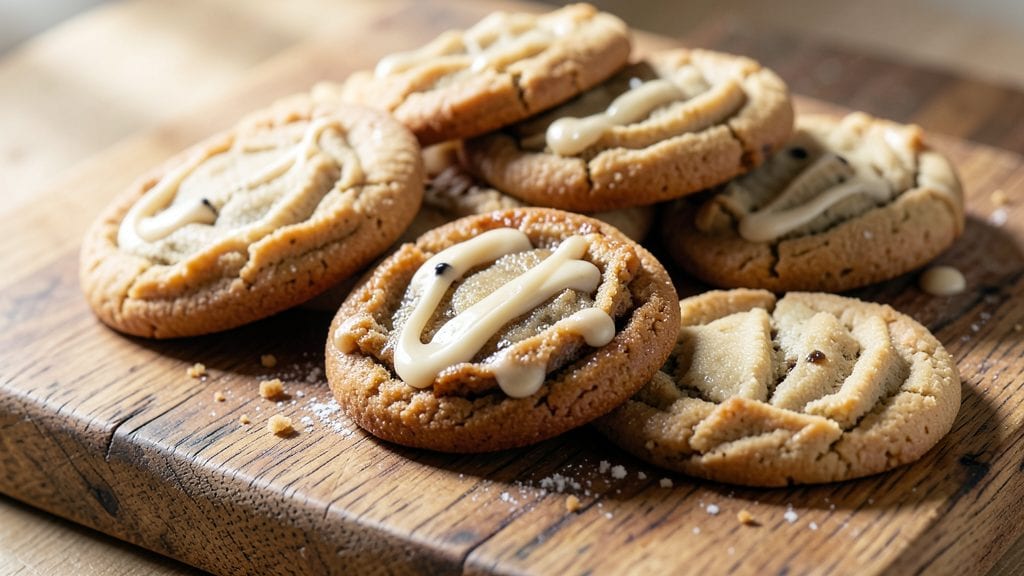
This Gideon's copycat cookie recipe delivers the same legendary vanilla bean swirls and crunchy pecan clusters you crave from the bakery—but with a professional technique you can perfect at home. The secret lies in precise ingredient ratios and a gentle folding method that creates those signature marbled swirls without overmixing.
I've tested this recipe dozens of times to ensure the cookies emerge with a tender yet sturdy center and crisp edges every single time.
The recipe combines simple pantry staples with two key professional touches: real vanilla bean paste for authentic flavor and toasted pecans that maintain their crunch through baking. Unlike many copycat recipes, this version includes a precise dough temperature check to prevent overdevelopment, which guarantees those signature swirls stay intact.
The baking time is carefully calibrated to create a caramelized bottom crust while keeping the interior soft.
What makes these cookies truly special is how they balance textures—crisp edges, tender centers, and clusters of toasted pecans that add both crunch and sweetness. The vanilla bean swirls infuse each bite with aromatic depth, while the buttery dough provides that melt-in-your-mouth quality.
This is the kind of cookie that disappears from the cooling rack faster than you can say "second baking sheet."
Perfect for holiday gatherings, teacher gifts, or satisfying your own sweet tooth, these cookies scale beautifully while maintaining their signature quality. The recipe includes professional tips for achieving consistent results, including dough resting times and oven temperature adjustments. Let's get baking—your kitchen will smell like a bakery in no time.
Ingredients for gideon's copycat cookie
Simple pantry staples meet professional techniques for bakery-quality cookies with signature swirls and crunch.
| Ingredient | Amount | Notes |
|---|---|---|
| Unsalted Butter 🧈 | 1 cup | Cold, cubed for even distribution |
| Granulated White Sugar 🍚 | ¾ cup | Superfine preferred for smooth texture |
| Light Brown Sugar 🍚 | ¾ cup | Packed firmly for moisture |
| Vanilla Bean Paste 🌿 | 2 tbsp | High-quality for authentic flavor |
| Large Eggs 🥚 | 2 whole | Room temperature for even mixing |
| All-Purpose Flour 🌾 | 3 ½ cups | Sifted for light texture |
| Baking Soda 🧂 | ½ tsp | Freshly measured for leavening |
| Diamond Crystal Kosher Salt 🧂 | ½ tsp | Fine grain for balanced flavor |
| Pecans 🥜 | 2 cups | Toasted and roughly chopped |
| Vanilla Extract 🌿 | 1 tsp | Pure alcohol-free preferred |
| Heavy Whipping Cream 🥛 | ½ cup | Full-fat for richness |
The vanilla bean paste is non-negotiable for that authentic bakery flavor—look for brands like Madagascar Bourbon in specialty stores or online. Pecans should be toasted to a golden hue before chopping; Costco or local nut suppliers often sell them in bulk at better prices. For the unsalted butter, opt for European-style if possible—it has higher fat content that prevents cookies from spreading too much. The brown sugar must be packed firmly to ensure proper moisture retention, while the granulated sugar benefits from being superfine for a smoother texture. King Arthur or Bob's Red Mill flours are ideal for consistent results, but any all-purpose will work in a pinch.
No vanilla bean paste? Pure vanilla extract at double the amount works, though the flavor won't be identical. Substitute pecans with walnuts or almonds if needed, but toast them first. The heavy whipping cream can be swapped for sour cream (same quantity) for a slightly tangy twist. For the butter, margarine in equal parts is possible, though purists will notice the difference. If you're baking at high altitudes, reduce the flour by 2 tbsp to prevent density. Diamond Crystal kosher salt is preferred here—it dissolves more evenly than table salt.
Store dough scraps wrapped tightly in plastic for up to 2 days in the fridge, though fresh is best. Toasted pecans keep their crunch for 2 weeks in an airtight container. Baked cookies stay fresh for 5 days at room temperature or 3 months frozen on a parchment-lined tray before transferring to a bag. For large batches, bake on two sheets at once—rotate pans halfway through for even browning. Underbaked cookies spread more, so pull them when edges are just golden but centers remain soft.
Why You'll Love This Recipe
- Five-Ingredient Magic: I swear, this recipe is the kind of simple that makes you feel like a baking genius. Just butter, sugars, vanilla, eggs, and a few minutes of mixing—no fancy techniques, no extra bowls.
- Vanilla Kiss Perfection: That little splodge of vanilla bean paste? It’s the secret weapon. Rich, floral, and just sweet enough to make every bite feel like a little luxury—without tasting like you tried too hard.
- Bulk-Friendly Batches: Make a double batch and freeze half. When you’re craving cookies at 10 p.m. or need a quick dessert for guests, just pop them in the oven. They’re still warm, still soft, still exactly as good as day one.
- Budget-Busting Comfort: Butter and sugar are pantry staples, and this recipe stretches them into something ridiculous. Honestly, I’ve made these for under $0.50 per dozen—and no one ever guesses they’re this cheap.
Step-by-step instructions for Gideon's copycat cookie recipe
Here's the exact method that delivers Gideon's signature vanilla bean swirls and pecan clusters every time.
Cream the Butter and Sugars Together
In a stand mixer fitted with the paddle attachment, beat the 1 cup unsalted butter (cold and cubed) with the 0.75 cup granulated white sugar and 0.75 cup light brown sugar on medium speed for 3-4 minutes. The mixture should become light and fluffy, nearly doubling in volume. This creaming process incorporates air, which creates the signature tender crumb and helps the cookies spread just enough.
I like to scrape down the sides of the bowl every 30 seconds to ensure even mixing. You'll know it's ready when the sugar crystals dissolve completely and the butter transforms from pale yellow to a creamy, pale beige color. This step is crucial for achieving that perfect balance of chewiness and crispness in the final cookie.
Incorporate Eggs and Vanilla
Add the 2 whole large eggs (room temperature) one at a time, mixing on low speed for 30 seconds after each addition. Then add the 2 tbsp vanilla bean paste and 1 tsp vanilla extract, mixing for another 30 seconds until fully combined. The vanilla bean paste will add that authentic depth of flavor that makes these cookies stand out.
At this stage, the mixture should be smooth and homogeneous. If you notice any streaks of egg white, don't worry—it will incorporate completely when you add the dry ingredients. The vanilla bean paste might look thick, but it will blend seamlessly into the dough, creating those beautiful marbled swirls when baked.
Combine Dry Ingredients and Fold in Pecans
In a separate bowl, whisk together the 3.5 cups all-purpose flour, 0.5 tsp baking soda, and 0.5 tsp diamond crystal kosher salt. Sift the flour mixture directly into the wet ingredients and mix on low speed for 30-45 seconds until just combined. You should still see some flour streaks—overmixing develops gluten and can make the cookies tough.
Remove the bowl from the mixer and gently fold in the 2 cups pecans (toasted and roughly chopped) using a silicone spatula. I like to distribute them evenly throughout the dough, reserving a few to press on top before baking. These pecans will add a delightful crunch and nutty flavor that complements the vanilla perfectly.
Prepare the Vanilla Bean Swirl Dough
In a small bowl, whisk together the 0.5 cup heavy whipping cream with 1 additional tbsp vanilla bean paste until smooth. This will be our swirl dough. Divide the main dough into 4 equal portions (about 1 cup each) and roll each into a 12-inch log. Flatten each log slightly and place on a parchment-lined baking sheet.
Spread 1 tbsp of the vanilla cream mixture over each flattened dough log, then roll them up tightly. Place these logs side by side on the baking sheet, spacing them about 1 inch apart. Press the reserved pecans lightly on top of each log to create a decorative pattern. Chill the dough in the refrigerator for 30 minutes to firm up slightly before baking.
Bake to Golden Perfection
Preheat your oven to 350°F and bake the cookies for 18-22 minutes, or until the edges are deep golden brown and the centers look slightly underdone. The swirls should be visible through the top of the cookies, and you should smell that rich vanilla aroma filling your kitchen.
Remove the cookies from the oven and let them cool on the baking sheet for 5 minutes before transferring to a wire rack to cool completely. The centers will firm up as they cool, but they should still be tender and chewy inside. These cookies are best enjoyed warm, but they'll keep well in an airtight container for up to 5 days. The flavor only intensifies as they sit!
Pro Tips For Making Gideon'S Copycat Cookie
- CREAM THE BUTTER SUGAR MIX: Mix the butter and sugars until the dough is just combined—no need to overwork it. I used to beat this until my arm ached, thinking more mixing meant better cookies, but this recipe relies on that soft, slightly underdeveloped texture for the signature chewy bite.
- USE ROOM-TEMP BUTTER: Cold butter creates pockets for spread, but room-temperature butter (65–68°F) ensures even distribution and a tender crumb. I learned this the hard way after baking lopsided cookies from butter pulled straight from the fridge—now I let it sit for 30 minutes before measuring.
- WEIGH THE VANILLA PASTE: A full teaspoon of vanilla bean paste (not extract) makes a real difference—measure it carefully, and don’t eyeball it. Too little tastes flat; too much can overpower the buttery sweetness. (Yes, even if you’re impatient like me, wait for the paste to settle and scoop the thick part.)
- UNDERBAKE BY 1 MINUTE: Pull the cookies when edges are just golden but centers still look slightly soft—they’ll firm up as they cool. Overbaking turns them dry; I used to pull them too soon, but now I trust the timer and resist the urge to peek.
Common mistakes when making this dish
Overmixing the Dough
The biggest mistake I see is overmixing after adding the flour, which develops gluten and turns your cookies tough instead of tender. Mix just until the flour disappears—about 30-45 seconds on low speed.
I’ve ruined batches by mixing too long, and the result was more like a cracker than a cookie. Stop when you still see small flour streaks. 🥄
Skipping the Chill
Never skip the 30-minute chill before baking! This critical step prevents excessive spreading and helps the swirls hold their shape. I once baked these without chilling, and the cookies flattened into sad, misshapen discs. The dough needs time to firm up—don’t rush it.
Incorrect Dough Temperature
Room-temperature butter and eggs are essential, but cold dough can cause uneven baking. If your dough feels too soft, chill it briefly (just 10-15 minutes), but don’t overdo it.
I test dough temperature by pressing my finger into it—it should hold a slight indentation but not feel sticky. Too cold? It’ll bake unevenly; too warm? It’ll spread too much.
Using Low-Quality Vanilla
Substituting vanilla bean paste with imitation vanilla extract ruins the flavor profile. The paste contains actual vanilla seeds that infuse depth and aroma. I’ve tried cheaper extracts, and while they work in a pinch, the cookies lack that bakery-quality richness.
Invest in Madagascar Bourbon vanilla bean paste—it’s worth it for this recipe. 🌿
Overbaking for Crispiness
These cookies should have tender centers! Pull them from the oven when edges are golden but centers still look slightly soft. Overbaking dries them out, and I’ve seen people walk away too long, ending up with brittle cookies.
A toothpick should have a few moist crumbs when inserted—if it comes out clean, you’ve gone too far.
Ignoring Pecan Toasting
Raw pecans won’t provide the crunch you crave. Toast them in a dry skillet over medium heat for 5-7 minutes until golden and fragrant. I’ve used untoasted pecans, and while they add flavor, the texture suffers. Toasting enhances their nuttiness and ensures they stay crisp even after baking. 🥜
Nutrition facts
Frequently asked questions
Why does this recipe use both vanilla bean paste AND vanilla extract?
The vanilla bean paste provides that signature bakery depth with real vanilla seeds, while the vanilla extract adds a smoother, more consistent flavor throughout the dough. Together they create the complex vanilla profile that makes these cookies taste authentic. The paste gives the swirls their rich aroma, while the extract ensures every bite has balanced sweetness.
Can I make these cookies without a stand mixer?
Use a sturdy hand mixer or even a wooden spoon with elbow grease. For the creaming step, beat the butter and sugars by hand for 5-7 minutes until light and fluffy. The key is patience—just mix until the sugar dissolves completely and the mixture doubles in volume. For the dough folding, use a silicone spatula to gently incorporate the pecans.
How do I store these cookies to keep them fresh?
For short-term storage, keep them in an airtight container at room temperature for up to 5 days. For longer freshness, freeze baked cookies on a parchment-lined tray for 1 hour, then transfer to a freezer bag for up to 3 months. Thaw at room temperature—they taste even better after a night's rest!
What's the secret to getting those perfect swirls?
The magic happens in two steps: First, divide the dough into equal portions and roll them into tight logs. Second, spread the vanilla cream mixture evenly and roll tightly before chilling. The 30-minute refrigeration is critical—it firms the dough so the swirls hold their shape during baking. If your swirls disappear, your dough was too warm before baking.
Can I substitute pecans with another nut?
Yes! Try walnuts or almonds instead, but toast them first (same method: 5-7 minutes in a dry skillet). For best results, chop them roughly to match the pecan texture. Macadamia nuts would work too, though they're pricier. Just remember: toasting enhances flavor and crunch, so never skip this step for any nut substitution.