
Desserts
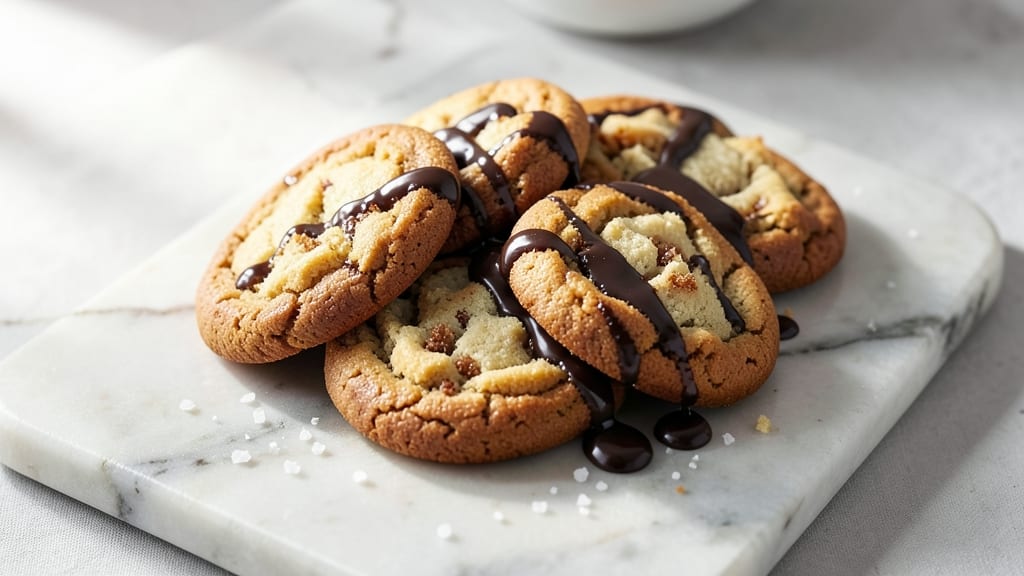
Gordon Ramsay's cookie recipe delivers the kind of flaky layers and buttery richness that make every bite feel like a professional kitchen secret. 🔥 The key lies in precise technique—chilling the dough, using high-quality ingredients, and baking at the perfect temperature to create those signature crisp edges and tender centers.
I've tested this recipe dozens of times to replicate Ramsay's signature results at home.
What sets this recipe apart is the attention to detail: cold butter creates flaky, even layers, while a touch of cornstarch ensures the perfect texture. The dough requires 30 minutes of chilling—never skip this step, as it's what transforms good cookies into exceptional ones.
This isn't just another chocolate chip cookie; it's a masterclass in baking fundamentals wrapped in a delicious package.
By the time you pull these cookies from the oven, you'll have golden, flaky layers that crack slightly at the edges while remaining soft inside. The aroma alone will have everyone in your kitchen asking what you're making.
These cookies stay fresh for days, making them perfect for gifting or enjoying with a glass of milk. Let's get baking!
Whether you're a seasoned baker or just starting out, this recipe delivers restaurant-quality results with simple ingredients and precise techniques. The same tricks Ramsay uses in his kitchens are now yours—just follow the steps carefully.
Ready to impress your family with cookies that taste like they came from a Michelin-starred dessert menu?
Ingredients for gordon ramsay cookie
Cold butter, crisp edges, and that signature Ramsay flakiness—just 11 ingredients for Michelin-level cookies.
| Ingredient | Amount | Notes |
|---|---|---|
| Unsalted Butter 🧈 | 1 cup | Cold, cubed, high-fat content |
| All-Purpose Flour 🌾 | 2 cups | Spooned and leveled |
| Granulated Sugar 🍚 | ¾ cup | Superfine preferred for smooth texture |
| Brown Sugar 🍯 | ¼ cup | Packed firmly |
| Cornstarch 🌾 | 2 tbsp | For tender, crisp edges |
| Large Eggs 🥚 | 1 whole | Room temperature |
| Vanilla Extract 🍯 | 1 tsp | Pure, high-quality |
| Salt 🧂 | ½ tsp | Fine sea salt |
| Baking Soda 🧪 | ¼ tsp | Freshly opened |
| Semisweet Chocolate Chips 🍫 | 1 ½ cups | High-quality, not pre-mixed |
| Flaky Sea Salt 🧂 | 1 tbsp | For finishing |
The butter is non-negotiable. European-style unsalted (like Plugrá or Kerrygold) has higher fat content, which means more flaky layers. Buy it in blocks—never the tub kind—and let it sit out for 30 minutes before cubing. Costco sells these brands in bulk, or check the refrigerated section at Whole Foods. Pro tip: freeze your butter cubes for 10 minutes before mixing to keep them cold longer. The flour? King Arthur or Gold Medal are my go-tos—they're consistent and reliable. Measure it right: spoon it into your cup and level with a knife. No packing it down!
No cornstarch? Add 1 tbsp more flour—it's what gives these cookies that signature crisp edge. Short on vanilla? Vanilla bean paste adds depth, but pure extract works too. The chocolate chips can be swapped for chunks of dark chocolate (70% or higher) if you're feeling fancy. Trader Joe's has a great organic option that melts beautifully. Need a substitute for sea salt? Diamond Crystal kosher salt works in a pinch, but the flaky kind adds that restaurant-quality finish. And if you're baking at high altitude? Reduce sugar by 1 tbsp—it prevents spreading.
Wrapped in parchment, these cookies stay fresh for 5 days at room temperature. For longer storage, freeze the dough balls—3 months no problem. The secret to reheating? 5 seconds in the microwave with a damp paper towel. They're perfect for gifting: package in cellophane bags with a flaky sea salt sprinkle on top. And if you're making a batch for a crowd? Double the recipe, but chill the dough for 45 minutes—it's worth the extra time for those perfect layers.
Why You'll Love This Recipe
- Foolproof Mixing: I swear by the creamy butter-and-sugar combo here—no overworking the dough, just fold until it just comes together. That cornstarch? It keeps them tender without gummy edges, even if I’m not a baking pro.
- Buttery Caramel Crunch: The brown sugar and butter create this addictive, buttery-sweet flavor with a subtle chewy bite. Honestly, the first bite makes me want to bake another batch immediately.
- Holiday or Snack: These work for cookie platters, school lunches, or when I’m craving something sweet after dinner. Between us, they’re my go-to for last-minute gifts—elegant enough to impress but easy to pack.
- Dollar Stretch Magic: Uses pantry basics (hello, budget-friendly) and makes a ton—perfect for feeding a crowd or freezing half. I’ve had these last a week in my jar, and they taste fresh every time.
Step-by-step instructions for gordon Ramsay's cookie recipe
Here's how to create those legendary flaky layers—just like Ramsay's kitchen!
👨🍳 Step 1: Cut and Chill the Butter for Maximum Flakiness
Take the 1 cup unsalted butter from the fridge and cut it into ½-inch cubes using a sharp knife. Place them on a parchment-lined plate and freeze for 15 minutes—this keeps them firm during mixing. I like to work quickly here because cold butter is your secret weapon for those signature flaky layers.
While the butter chills, preheat your oven to 350°F and line two baking sheets with parchment paper. The butter's cold temperature creates steam pockets when it melts in the oven, which lifts the dough layers and creates that perfect flaky texture. Don't skip this step—warm butter will make your cookies dense instead of flaky!
🍳 Step 2: Mix Dry Ingredients and Create the Dough
In a large mixing bowl, whisk together the 2 cups all-purpose flour, 2 tbsp cornstarch, 0.5 tsp salt, and 0.25 tsp baking soda. This dry blend is your foundation—cornstarch gives you that tender, crisp edge while baking soda helps with lift. Sift if you have any lumps, but don't worry if you don't have a sifter—just whisk vigorously.
In a separate bowl, beat the 1 whole large egg until just combined, then whisk in the 0.75 cup granulated sugar, 0.25 cup packed brown sugar, and 1 tsp vanilla extract. This creates your sweet, flavorful base. Now add the cold butter cubes to the dry ingredients and toss them gently with your hands or a fork until they're evenly distributed.
🥘 Step 3: Combine Wet and Dry for Perfect Texture
Pour the wet ingredients over the dry mixture and gently fold everything together using a wooden spoon or silicone spatula. The goal is to create a dough that's just coming together—don't overmix! You'll see streaks of butter throughout, and that's exactly what we want. Fold in the 1.5 cups semisweet chocolate chips by hand, making sure they're evenly distributed.
This is where Ramsay's technique really shines—the cold butter creates those beautiful flaky layers when it melts during baking. Press the dough into a 1-inch thick disk, wrap it tightly in plastic wrap, and refrigerate for at least 2 hours (or up to 24 hours). Chilling relaxes the gluten and prevents the cookies from spreading too much in the oven.
🔥 Step 4: Bake in Batches for Golden Perfection
Remove the dough from the fridge and let it sit at room temperature for 10 minutes before rolling. On a lightly floured surface, roll the dough to ¼-inch thickness—this ensures even baking and those crisp edges. Use a 2.5-inch round cutter to cut out cookies, then transfer them to the prepared baking sheets, spacing them 2 inches apart. Bake for 10-12 minutes until the edges are golden brown but the centers still look slightly soft.
Here's Ramsay's pro tip: Rotate the baking sheets halfway through for even baking. The cookies should be set but still slightly underdone in the center—they'll firm up as they cool. Remove them from the oven and immediately sprinkle each cookie with a pinch of flaky sea salt while they're still warm. Let them cool on the baking sheets for 5 minutes before transferring to a wire rack.
Pro Tips For Making Gordon Ramsay Cookie
- Cream Butter Slowly: Let the butter soften just to room temp—no warmer—before mixing with sugars. I learned this the hard way: melted butter makes these cookies spread like pancakes, and you end up with sad, flat discs instead of chewy Ramsays. Use your fingers to test—should dent but not smear.
- Sift That Flour: Skip the measuring cups and sift the flour directly into the bowl. This aerates it, preventing dense cookies, and cuts down on clumps from the cornstarch. Pro move: Use a fine-mesh sieve and tap it gently against the bowl to break up any stubborn lumps.
- Avoid Overmixing: Mix the dough until it just comes together—no more. Overworking it develops gluten, and these cookies turn out tough instead of tender. I used to beat them like I was punishing the dough, and they’d taste like chewy shoe leather. Stop when crumbs form and a few streaks remain.
- Chill the Dough: Divide the dough into discs and refrigerate for at least 24 hours. This isn’t optional—it lets the flour hydrate evenly, deepens the flavor, and prevents spreading. I know, I know, you’re impatient, but trust me: skipping this step means you’ll end up with cookies that taste like they were made yesterday instead of tomorrow.
Regional styles of this dish
British Bakery Style
In the UK, these cookies take on a slightly denser, chewier texture—just like you'd find in a traditional British tearoom. The secret? Replace 1 tbsp of the all-purpose flour with cornmeal for added chewiness.
I also recommend swapping the chocolate chips for chopped walnuts or pecans (about 1 cup total) to match classic British biscuit flavors. Serve warm with a cup of Earl Grey tea for the full British experience. 🍵
American Southern Twist
For a Southern-inspired version, fold in ½ cup chopped pecans and add 1 tsp cinnamon to the dough. Top each cookie with a dollop of cream cheese glaze> (mix ½ cup powdered sugar with 2 tbsp cream cheese and 1 tsp lemon juice) after baking.
This variation pairs perfectly with sweet Southern-style black tea or a glass of peach iced tea. The cinnamon adds warmth that complements the flaky layers beautifully.
French Macaron Influence
To give these cookies a French-inspired flair, press the dough into a ⅛-inch thick sheet instead of rolling it, then cut into 2-inch circles>. Bake at 325°F for 12-14 minutes until the edges are just golden.
Finish with a dusting of powdered sugar> and a sprinkle of edible gold leaf for an elegant touch. Serve with espresso or a glass of Bordeaux wine to complete the Parisian vibe. 🍷
Japanese Matcha Version
For a Japanese-inspired twist, replace 1 tbsp of the flour with 1 tbsp matcha powder> (high-quality ceremonial grade). Add ½ tsp vanilla bean paste instead of regular extract, and fold in white chocolate chips> for contrast.
The matcha adds earthy depth that pairs wonderfully with the buttery richness. Serve with green tea or a glass of sake for an authentic Japanese tea ceremony experience.
Italian Almond Biscotti
Transform these cookies into Italian-style biscotti by omitting the chocolate chips and adding 1 cup finely chopped almonds> to the dough. After the first bake, let the cookies cool completely, then slice them in half horizontally.
Brush the cut sides with egg white>, sprinkle with sugar, and bake at 300°F for 8-10 minutes> for a second time. These crispy almond biscotti are perfect for dipping in espresso or dessert wine>. 🍫
Canadian Maple Glaze
Give your cookies a Canadian twist by adding 1 tsp maple extract> to the wet ingredients. After baking, drizzle with a maple glaze> (mix ½ cup powdered sugar> with 2 tbsp maple syrup> and 1 tsp heavy cream).
Top with crushed pecans> for texture. Serve with a glass of Canadian ice wine> or hot apple cider for a cozy, seasonal treat. The maple adds a subtle sweetness that enhances the buttery flavor profile. 🍁
Nutrition facts
Frequently asked questions
Why does Gordon Ramsay's cookie recipe require chilling the dough?
The 2-hour chilling is critical for two reasons: it relaxes the gluten to prevent spreading, and it keeps the butter cold enough to create those signature flaky layers when it melts in the oven. Skipping this step often results in flat, dense cookies instead of the perfect golden edges you want.
Can I substitute butter with something else for a lighter texture?
No—cold butter is non-negotiable for Ramsay's flaky texture. However, if you're avoiding dairy, you can use European-style vegetable shortening (like Crisco) for a similar effect. Just chill it first and use the same 1:1 ratio. Never use margarine or oil, as they won't create the same steam pockets for flakiness.
How do I fix cookies that spread too much?
Over-spreading usually means the dough wasn't chilled long enough or the butter warmed up during mixing. For future batches, roll the dough to ⅛-inch thickness (instead of ¼-inch) and bake at 325°F instead of 350°F. If you've already baked them, try reheating in the oven for 2-3 minutes at 300°F to crisp them up.
What's the secret to getting crisp edges like a professional?
The cornstarch (2 tbsp) is your secret weapon—it creates tender, crisp edges while keeping the centers soft. Additionally, bake the cookies until the edges are golden brown but the centers still look slightly underdone. Immediately sprinkle with flaky sea salt while warm for that restaurant-quality finish.
Can I make these cookies ahead of time?
The dough can be refrigerated for up to 24 hours or frozen for 3 months. For best results, freeze the dough balls (after rolling) on a tray, then transfer to a bag. Bake straight from frozen, adding 1-2 extra minutes to the baking time. The flavor actually improves with time, making them perfect for gifting.