Desserts
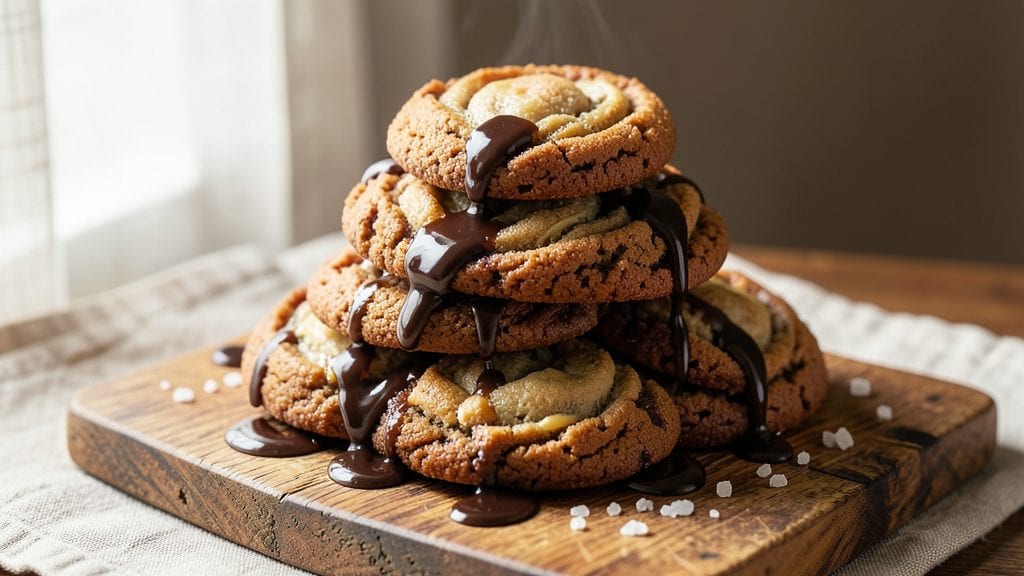
This Guinness cookie recipe transforms a classic treat into a sophisticated dessert with deep stout notes and molten chocolate surprises. The secret lies in replacing coffee with Guinness stout, which adds a rich, slightly bitter depth that pairs perfectly with chocolate.
I developed this recipe after years of baking, fine-tuning the balance between chewy texture and crisp edges—every bite delivers that perfect contrast.
The process is straightforward but requires precision: mixing the dough until it reaches the right consistency, rolling it just thick enough for crisp edges, and baking until golden. The real magic happens when you add chocolate hearts that melt into warm, gooey pockets when you bite in.
This isn't your grandmother's cookie—it's a dessert that feels indulgent yet remains approachable for any occasion.
What you'll end up with is a batch of cookies that taste like a cross between a chocolate chip cookie and a Guinness cake—complex, satisfying, and impossible to resist. The stout flavor shines through without overpowering, while the chocolate adds the perfect sweet contrast.
These cookies are ideal for pairing with a cup of coffee or tea, making them a sophisticated yet simple dessert option.
Whether you're baking for a holiday gathering or treating yourself to a special dessert, this recipe delivers professional-quality results with minimal effort. The key is patience—letting the dough rest and baking at the right temperature ensures perfect texture every time. Let's get started on creating these unforgettable cookies.
Ingredients for guinness cookie
Rich stout, velvety butter, and molten chocolate hearts—these ingredients create cookies with restaurant-worthy depth.
| Ingredient | Amount | Notes |
|---|---|---|
| Guinness Stout 🍺 | ½ cup | Cold, full-bodied stout preferred |
| Unsalted Butter 🧈 | 1 cup | Cold, cubed for mixing |
| Granulated Sugar 🍚 | 1 cup | Light brown sugar adds depth |
| Packed Brown Sugar 🍚 | ½ cup | For chewy texture |
| Large Eggs 🥚 | 2 whole | Room temperature |
| Vanilla Extract 🌿 | 1 tsp | Pure Madagascar preferred |
| All-Purpose Flour 🌾 | 2 cups | Sifted, light flour |
| Baking Soda 🧂 | ½ tsp | Ensures proper rise |
| Diamond Crystal Kosher Salt 🧂 | ½ tsp | Fine grain preferred |
| Semisweet Chocolate Chips 🍫 | 1 ½ cups | Enjoy Life brand for allergies |
| Dark Chocolate Hearts 🍫 | 6 whole | 70% cacao, 1-inch size |
| Flaky Sea Salt 🧂 | 1 tbsp | For finishing |
The Guinness stout is non-negotiable—cold, unopened bottles from the store's beer cooler deliver the best flavor. Costco often has the best selection of craft beers, but any local liquor store with a chilled display will work. If you can't find Guinness, Murphy's Irish Stout is a solid backup. For the butter, Plugrá or Land O'Lakes work perfectly, but European-style unsalted (like Kerrygold) adds extra richness. The chocolate hearts? Ghirardelli or Lindt 70% cacao melts beautifully—avoid milk chocolate, it lacks the depth. Pro tip: Toast the chocolate chips for 5 minutes at 300°F to deepen their flavor before mixing into the dough.
No Guinness? Stout coffee (like Starbucks' Irish Cream Cold Brew) works in a pinch, but the flavor won't be identical. Short on brown sugar? Substitute maple syrup at half the amount, but the texture will be slightly denser. The vanilla extract matters—Madagascar bourbon has a deeper aroma than imitation. For the flour, King Arthur or Bob's Red Mill are reliable, but sift it to avoid dense cookies. If you're avoiding chocolate chips, chopped dark chocolate bars (like Lindt 85%) add a similar luxurious bite. And for the sea salt? Maldon is the gold standard, but any flaky salt (like Diamond Crystal) will work—just sprinkle it lightly over the warm cookies.
Store the dough in the fridge for up to 3 days wrapped tightly in plastic—this actually improves flavor as the stout mellows. Baked cookies keep for 5 days in an airtight container at room temperature, but they're best enjoyed fresh. For longer storage, freeze unbaked dough balls on a tray first, then transfer to a bag. Thaw overnight in the fridge before baking. The chocolate hearts? Keep them in a cool, dark place (like a pantry jar) to prevent melting—these cookies are worth the extra care.
Why You'll Love This Recipe
- No Mixer Needed: I swear by this recipe because it requires zero fancy equipment—just a bowl, a fork, and a spoon. The Guinness and butter come together in minutes while you’re still deciding what to watch on TV.
- Rich Without Effort: That first bite? Pure molasses-meets-chocolate depth, thanks to the Guinness and brown sugar caramelizing. It’s like dessert sneaking into your cookie jar without trying too hard.
- Party or Snack: These cookies are my go-to for game day (they disappear fast) but also work as a last-minute dessert when guests show up. No one bats an eye—just deliciousness in every bite.
- Budget Magic: A single bottle of Guinness stretches across multiple batches, and butter plus sugar are pantry staples. I’ve made 3 dozen for under $10—cheaper than takeout, way tastier.
Step-by-step instructions for Guinness cookie recipe
Here's how to transform bold stout into irresistible cookies with a deep, caramelized crunch and molten chocolate surprises.
Create the Guinness-Infused Butter Base
In a medium saucepan, combine the 0.5 cup cold Guinness Stout and 1 cup cubed unsalted butter. Place over medium-low heat and warm gently, stirring occasionally, until the butter melts completely and the mixture reaches 160°F—just below a simmer. You'll notice the stout's rich maltiness intensifying as it infuses into the butter.
Remove from heat immediately once melted—overheating will cook off the stout's depth of flavor. Let this mixture cool to room temperature before proceeding. The Guinness butter should have a deep amber color and a subtle coffee-like aroma that will become the soul of these cookies.
Whisk Wet Ingredients to Perfect Consistency
In a large mixing bowl, combine the cooled Guinness butter with 1 cup granulated sugar and 0.5 cup packed brown sugar. Using an electric mixer on medium speed, beat for 3-4 minutes until the mixture is light and fluffy, with a ribbon-like consistency when the beaters leave a trail. This step is crucial—it incorporates air that will create those signature crackly tops.
Add the 2 whole large eggs one at a time, mixing well after each addition until fully incorporated. Then stir in the 1 tsp vanilla extract. The batter should be thick but pourable—if it's too stiff, your cookies will be dense rather than chewy. Here's the thing—this is where the stout's unique flavor profile really shines through the sweetness.
Combine Dry Ingredients and Fold in Chocolate
In a separate bowl, whisk together the 2 cups all-purpose flour, 0.5 tsp baking soda, and 0.5 tsp diamond crystal kosher salt. Sift this mixture directly into the wet ingredients while mixing on low speed until just combined—you should still see small flour streaks. Overmixing develops gluten and makes cookies tough.
Gently fold in the 1.5 cups semisweet chocolate chips and 6 whole dark chocolate hearts using a silicone spatula. Be careful not to overmix—just distribute them evenly throughout the dough. The chocolate hearts should remain whole for that perfect molten surprise when bitten.
Chill for Optimal Texture Development
Cover the dough bowl with plastic wrap and refrigerate for at least 1 hour, or up to 24 hours for even better flavor development. This chilling step is non-negotiable—it allows the flour to fully hydrate and the Guinness butter to firm up slightly, preventing excessive spreading in the oven. The dough will be quite stiff when cold, but that's exactly what we want.
While the dough chills, preheat your oven to 350°F and line two baking sheets with parchment paper. I like to use a cookie scoop for 1.5-tablespoon portions—this gives us cookies that are thick enough to hold their shape while developing that perfect chewy center.
Bake to Deep Golden Perfection
Place the chilled dough scoops 3 inches apart on the prepared baking sheets. Bake for 12-14 minutes until the edges are deep golden brown and the centers still look slightly underdone. The stout-infused cookies will have a distinctive caramelized aroma that fills your kitchen—this is your cue that they're nearly done.
Remove from the oven and immediately sprinkle each cookie with a pinch of flaky sea salt. Let them cool on the baking sheets for 5 minutes before transferring to a wire rack. The contrast between the salty flakes and the rich chocolate-stout flavor is what makes these cookies truly extraordinary.
Pro Tips For Making Guinness Cookie
- Chill the Dough: After mixing, pop the dough in the fridge for at least 2 hours—yes, even if you’re itching to bake. I used to skip this and ended up with flat, dense cookies that tasted more like cake than the rich, chewy texture you want. The cold butter behaves better when it hits the oven, and the flavor deepens from the Guinness.
- Measure Guinness Precisely: Use a liquid measuring cup for the Guinness, but don’t eyeball it—fill it to the exact line. Too little, and the cookies taste flat; too much, and they spread into sad little puddles. I learned this after making a batch where half the tray looked like failed shortbread.
- Cream Butter and Sugars Slowly: Beat the butter, brown sugar, and granulated sugar on medium speed until light and fluffy—about 3-4 minutes. Going too fast just heats the butter and melts the sugars before they emulsify, leaving you with a grainy dough. I used to rush this, and the cookies always turned out dry.
- Use Room-Temp Eggs: Let the eggs sit out for 30 minutes before mixing—they’ll blend smoother and create a lighter texture. Cold eggs can make the dough stiff and lead to dense cookies. I was skeptical until I tried it, and now I swear by it for every batch.
Flavor customization for this dish
Spiced Stout Twist
Add 1 tsp cinnamon and ½ tsp nutmeg to the dry ingredients for a warm, spiced stout cookie reminiscent of Irish Christmas treats. The spices complement the Guinness's maltiness beautifully, creating a cozy flavor profile perfect for fall gatherings.
I like to toast the spices in the dry butter mixture for 30 seconds before mixing to deepen their aroma. 🌶️
White Chocolate & Caramel Fusion
Swap the dark chocolate hearts for white chocolate hearts and add ½ cup caramel bits to the dough. The creamy white chocolate balances the stout's bitterness, while the caramel adds a buttery sweetness that pairs perfectly.
For extra decadence, drizzle melted caramel over the tops of the cookies right after baking. Use Guittard white chocolate for the best texture.
Espresso-Infused Boost
Enhance the coffee-like notes by adding 1 tbsp instant espresso powder to the dry ingredients. This intensifies the stout's natural coffee undertones, creating a dessert that tastes like a cross between a Guinness cake and a tiramisu.
For best results, use Starbucks Via Instant Espresso—it dissolves smoothly without graininess. 💡
Pecan & Bourbon Glaze
Fold 1 cup chopped pecans into the dough, then top each baked cookie with a drizzle of bourbon glaze (mix ½ cup powdered sugar with 1 tbsp bourbon and 1 tsp heavy cream).
The pecans add crunch, while the bourbon glaze ties everything together with its warm, caramelized sweetness. I recommend Buffalo Trace for its rich, oaky flavor.
Matcha & Orange Zest
For a surprising but delicious twist, add 1 tbsp matcha powder to the dry ingredients and zest of 1 orange to the wet mixture. The earthy matcha contrasts beautifully with the stout's maltiness, while the orange zest brightens the flavor profile.
Use Ippodo Tea matcha for the smoothest texture. This variation works especially well with white chocolate chips instead of dark.
Salted Caramel & Pretzel Crunch
Add ½ cup crushed pretzel pieces to the dough and top each cookie with a dollop of salted caramel after baking. The pretzels add a satisfying crunch that balances the soft cookie texture, while the caramel provides a sweet-salty contrast.
For the caramel, I use Trader Joe's salted caramel sauce—it's perfectly balanced and easy to work with. 💛
Nutrition facts
Frequently asked questions
Why does this recipe use cold Guinness instead of warm?
Cold Guinness preserves its full malt and coffee-like flavors that warm beer loses when heated. Using cold stout ensures you get the authentic depth of flavor without cooking off the delicate aromatics. The butter infusion process gently warms the mixture just enough to melt the butter while keeping the beer's character intact.
Can I make these cookies without chocolate hearts?
Swap the chocolate hearts for 1.5 cups additional chocolate chips or try toasted nuts like pecans or walnuts for crunch. The molten chocolate surprise is special, but the recipe works beautifully with just chocolate chips throughout. For a different texture, you could also add ½ cup dried cranberries or white chocolate chunks.
How do I store leftover cookies?
Store cookies in an airtight container at room temperature for up to 5 days. For longer storage, freeze baked cookies for up to 3 months. The chocolate hearts may soften slightly when frozen, but they'll still provide that delicious surprise when warmed. Let cookies come to room temperature before eating for the best texture.
Why did my cookies spread too much?
Overmixing the dough or skipping the chilling step are the most common causes. The dough should be stiff when cold—if it's too soft, refrigerate it 30 minutes longer. Also ensure your oven is properly calibrated (use an oven thermometer) and don't overcrowd the baking sheets. For thicker cookies, scoop 1.5 tablespoons of dough and flatten slightly before baking.
What's the best way to reheat these cookies?
For the best results, warm cookies in a 300°F oven for 3-5 minutes until the chocolate hearts soften slightly. You can also microwave for 10-15 seconds (cover with a damp paper towel to prevent drying). The stout flavor actually improves slightly when warmed, making reheating worth the effort for that restaurant-quality experience.