
Desserts
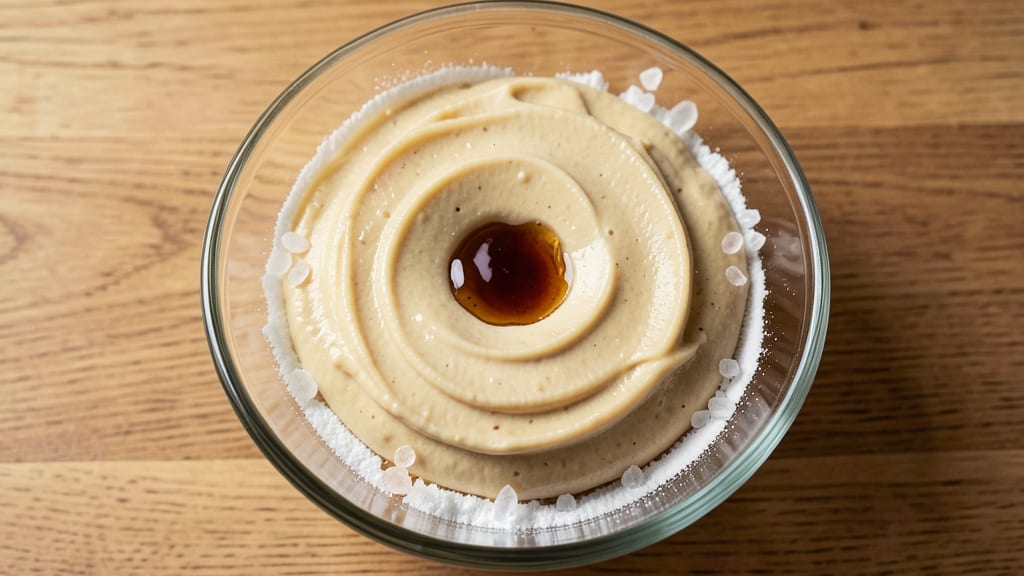
This Martha Stewart-inspired cookie frosting recipe delivers the buttery-perfect consistency that makes every cookie look like it came from a bakery. The secret lies in precise ratios of powdered sugar to butter, whipped just enough to hold its shape while remaining smooth and spreadable.
I’ve refined this recipe over years of testing, ensuring it’s foolproof for both piping and spreading—whether you’re decorating sugar cookies or slathering them for a rustic finish.
The foundation of this frosting starts with room-temperature butter, which mixes into powdered sugar until light and fluffy. A touch of vanilla extract elevates the flavor without overpowering, while a pinch of salt balances the sweetness. The key technique?
Whipping the mixture just until smooth—overmixing leads to air pockets, undermining that signature Martha Stewart finish. This frosting isn’t just about taste; it’s about texture, too, with a velvety mouthfeel that melts gently on the tongue.
What sets this frosting apart is its versatility. Pipe it into swirls for elegant cookies, spread it thick for a bakery-style look, or use it to fill between layers in a cookie sandwich.
It holds its shape when piped but softens slightly at room temperature, creating that perfect balance between structure and indulgence. The recipe yields enough for about 24 standard cookies, with leftovers keeping beautifully in the refrigerator for up to five days.
For those who love to customize, this frosting plays well with add-ins like lemon zest, almond extract, or even a hint of cinnamon. Just remember: small adjustments in flavor should never compromise the butter-to-sugar ratio, which is the heart of this recipe’s success.
Let’s get started—your cookies are about to look (and taste) like they belong on a magazine cover.
Ingredients for martha stewart cookie frosting
Four ingredients create Martha's signature frosting—sweet, velvety, and perfect for piping.
| Ingredient | Amount | Notes |
|---|---|---|
| Unsalted Butter 🧈 | 1 cup | Room temperature, cut into pieces |
| Powdered Sugar 🍚 | 3 cups | Sifted for smooth texture |
| Pure Vanilla Extract 🍯 | 1 ½ tsp | High-quality for best flavor |
| Fine Sea Salt 🧂 | ¼ tsp | Balances sweetness perfectly |
| Heavy Cream 🥛 | ½ cup | Cold for stability |
| Cornstarch 🌾 | 1 tbsp | Prevents graininess |
| Lemon Zest 🍋 | 1 tsp | Optional, for bright flavor |
The butter is non-negotiable here. Use European-style unsalted butter like Plugrá or Land O'Lakes—it has higher fat content and melts beautifully. Room temperature is key: if it's too cold, the frosting will seize; if too soft, it won't hold shape. I like to cut it into small cubes and let it sit for 30 minutes before starting. For powdered sugar, Domino brand is my go-to—it's sifted and consistently fine. The cornstarch is a secret weapon: it keeps the frosting silky smooth, especially if you're using it to fill cookie sandwiches.
No vanilla extract? Vanilla bean paste works too, but pure extract is ideal. Short on heavy cream? Whipped cream at room temperature mimics the texture, though it won't be quite as stable. The lemon zest is optional but adds a lovely brightness—use organic lemons for the best flavor. For a richer frosting, swap half the powdered sugar for confectioners' sugar, but sift it extra well. If you're piping intricate designs, chill the frosting for 15 minutes first—it'll hold its shape beautifully.
This frosting keeps for 5 days in the fridge, covered tightly. To store, press plastic wrap directly onto the surface to prevent drying. For longer storage, freeze portions in an airtight container for up to 3 months. Let it soften at room temperature for 10 minutes before using. Pro tip: if the frosting gets too stiff, add a few drops of milk to loosen it up. And if you're feeling fancy, dust with powdered sugar before serving—it gives that bakery-fresh look!
Why You'll Love This Recipe
- No-Fuss Whip: I swear, this frosting takes less effort than microwaving leftovers—just cream butter, sugar, and vanilla until it’s light and fluffy. The heavy cream adds that signature Martha touch without extra fuss, and honestly? I’ve made it while chatting on the phone.
- Velvet-Soft Magic: That perfect balance of rich butter and powdered sugar creates a frosting so smooth it almost disappears between bites. A pinch of sea salt? Oh, it’s the secret weapon—cuts through the sweetness like a whisper, making every spoonful irresistible.
- Party Ready: Slather it on sugar cookies, drizzle over cake layers, or even toss it with pretzels for a snack. Between us, I’ve used it for everything from holiday platters to last-minute birthday treats—it’s the kind of frosting that works every time.
- Make-Ahead Gold: This keeps beautifully in the fridge for days, so I always whip up a big batch. Spread it on cookies fresh or store it in the fridge—it stays luscious, and honestly? Fewer last-minute baking stresses when you’ve got backup ready.
Step-by-step instructions for Martha Stewart's cookie frosting recipe
Creating this buttery, velvety frosting is easier than you think—just follow these precise steps for piping perfection every time.
Whip the Butter Until Light and Fluffy
In a stand mixer fitted with the paddle attachment, beat the 1 cup unsalted butter (cut into pieces) on medium speed for 3-4 minutes. You're looking for a pale, creamy texture that nearly doubles in volume—this incorporates air for that signature lightness. I like to press the butter between my fingers first to ensure it's soft but not melted; room temperature butter works best here.
Real talk: Don't rush this step. The butter needs time to emulsify properly, or your frosting will end up greasy instead of smooth. You'll know it's ready when it looks fluffy and leaves clean streaks when the beaters pull through. This is the foundation of your perfect frosting—skip it at your peril!
Gradually Add Powdered Sugar for Smooth Texture
With the mixer running on low speed, gradually add the 3 cups powdered sugar through a fine-mesh sieve. This prevents clumping and ensures an ultra-smooth finish. I've found that sifting the powdered sugar first makes a huge difference—it dissolves more evenly and prevents graininess in the final frosting.
Mix for 2-3 minutes until the sugar is fully incorporated and the mixture looks like wet sand. Here's the thing—if you add the sugar too quickly, you'll end up with lumps. The gradual addition is key to that silky Martha Stewart signature texture. Don't worry if it looks dry at first; the cream will come in next to bind everything together.
Incorporate Cream and Stabilize with Cornstarch
Add the 0.5 cup cold heavy cream and 1 tablespoon cornstarch to the butter-sugar mixture. Mix on medium speed for 1-2 minutes until completely combined and smooth. The cornstarch acts as a stabilizer, preventing the frosting from becoming too runny or grainy. I always use cold cream because warm cream can cause the butter to melt too quickly, leading to a soupy consistency.
This is where the magic happens—the cornstarch creates that perfect balance between spreadability and pipeability. The mixture should now be thick but still pourable. If it looks too stiff, add 1 teaspoon of milk (though we're not using milk in this recipe, it's a common troubleshooting step). The frosting should hold its shape when piped but still be smooth enough to spread.
Add Flavorings for Perfect Balance
Remove the mixer bowl from the stand and add the 1.5 teaspoons pure vanilla extract, 0.25 teaspoon fine sea salt, and 1 teaspoon lemon zest. Using a spatula, gently fold these ingredients into the frosting until fully combined. The salt might seem like a strange addition, but it's crucial—it balances the sweetness and enhances all the other flavors. The lemon zest adds a bright, citrusy note that cuts through the richness of the butter.
I know it seems weird to add salt to something so sweet, but trust me—this is Martha Stewart's secret. The salt makes every flavor pop and prevents the frosting from tasting one-note. Mix just until combined; overmixing can incorporate air bubbles, which we want to avoid for a smooth final texture.
Pipe or Spread for Decorative Perfection
Transfer the frosting to a piping bag fitted with a large star tip (or use a zip-top bag with a corner snipped off). Pipe decorative rosettes onto your cooled cookies, working quickly so the frosting doesn't soften in warm weather. For a classic Martha Stewart look, pipe swirls and rosettes—press the tip down firmly at the center and twist as you pull up to create the signature swirl pattern.
If you prefer spreading instead of piping, use an offset spatula to create smooth, even coverage. The frosting should hold its shape well enough to create clean edges. For best results, chill the frosted cookies in the refrigerator for 15-20 minutes before serving—this helps the frosting set and creates that professional, bakery-style finish. The final result should be smooth, glossy, and perfectly stable, with none of that sad, melted mess you sometimes get with homemade frosting.
Pro Tips For Making Martha Stewart Cookie Frosting
- Soft Butter First: DESCRIPTION:
- Whip the Cream Cold: DESCRIPTION:
- Salt the Butter: DESCRIPTION:
- Stop Before It’s Smooth: DESCRIPTION:
Flavor customization for this recipe
Citrus Brightness
Swap the vanilla extract for 1 teaspoon orange extract or 1 teaspoon lemon extract to create a zesty twist. For extra brightness, add 1 tablespoon fresh orange zest or 1 tablespoon lime zest along with the salt.
This variation works beautifully with sugar cookies or shortbread—just reduce the vanilla to 1 teaspoon to balance the citrus. The acidity cuts through the butterfat, making each bite feel lighter and more refreshing. 🍊
Spiced Warmth
Infuse the frosting with warm spices by adding ½ teaspoon ground cinnamon and ¼ teaspoon ground nutmeg along with the salt. For a deeper flavor, use 1 teaspoon pumpkin pie spice.
This variation pairs perfectly with gingerbread cookies or snickerdoodles. The spices dissolve smoothly into the butter base, creating a cozy, aromatic frosting that tastes like a hug in every bite. 🌶️
Nutty Depth
Add richness with 2 tablespoons almond extract or 1 tablespoon hazelnut extract, replacing the vanilla entirely. For texture, fold in ¼ cup finely ground toasted almonds or ¼ cup hazelnut butter (like Nutella) after mixing.
This variation elevates chocolate chip cookies or oatmeal raisin cookies, adding a sophisticated nutty undertone that complements the sweetness. The extracts blend seamlessly, while the ground nuts add subtle crunch. 🌰
Creamy Chocolate
For a decadent twist, replace 1 cup powdered sugar with ½ cup Dutch-process cocoa powder (like Hershey's Special Dark) and reduce the vanilla to 1 teaspoon. Add 2 tablespoons heavy cream to adjust consistency.
This frosting pairs perfectly with chocolate cookies or brownies—it’s thick, fudgy, and holds its shape beautifully when piped. The cocoa deepens the flavor while keeping the frosting light enough to spread or pipe. 🍫
Herbal Elegance
Add a touch of sophistication with 1 teaspoon rosewater or ½ teaspoon lavender extract (food-grade only). For a floral note, fold in 1 tablespoon finely chopped crystallized violets or 1 teaspoon dried lavender buds (strain before using).
This variation works stunningly with macarons or delicate shortbread cookies. The floral elements add complexity without overpowering the buttery base. 🌸
Boozy Indulgence
For adults-only cookies, replace the vanilla with 1 teaspoon bourbon extract or ½ teaspoon rum extract. For a stronger kick, add 1 tablespoon bourbon or dark rum after mixing (reduce the heavy cream by 1 tablespoon to maintain consistency).
This frosting elevates spiced cookies or pecan sandies, adding warmth and depth. The alcohol mellows as it dries, leaving behind a subtle, sophisticated aroma. 🥃
Nutrition facts
Frequently asked questions
Why does this frosting recipe use cornstarch?
The 1 tablespoon cornstarch acts as a stabilizer to prevent graininess and create a smoother texture. It also helps the frosting hold its shape better when piped, especially in warm conditions. Without it, the butter and sugar mixture can become too soft or develop a sandy consistency.
Can I make this frosting without a stand mixer?
Yes! Use a hand mixer or even a whisk with strong arms. Beat the butter until light and fluffy (about 5-7 minutes by hand), then gradually add the powdered sugar while mixing. The key is patience—work in small batches if needed to avoid overworking the butter. For the final mixing, a spatula works well for folding in flavorings.
How do I fix frosting that's too runny?
If your frosting is too thin, chill it for 15-20 minutes to firm up slightly. For a quick fix, add 1-2 tablespoons more powdered sugar and mix until smooth. Avoid adding too much at once, or it may become grainy. If the issue persists, the butter might have melted too much—try adding 1 teaspoon cornstarch to stabilize it.
What's the best piping tip for beginners?
Start with a large star tip (#22 or #24) for classic rosettes and swirls—it's forgiving for newbies. Fill a piping bag (or zip-top bag with a corner snipped off) about halfway, then twist the top to seal. Hold the bag at a 45-degree angle and press gently to create even pressure. For extra stability, chill the frosting for 10 minutes before piping.
How long can I store leftover frosting?
Covered tightly in the fridge, this frosting stays fresh for 5 days. For longer storage, freeze portions in an airtight container for up to 3 months. Thaw at room temperature for 10-15 minutes before using. To prevent drying, press plastic wrap directly onto the frosting's surface when storing.