
Desserts
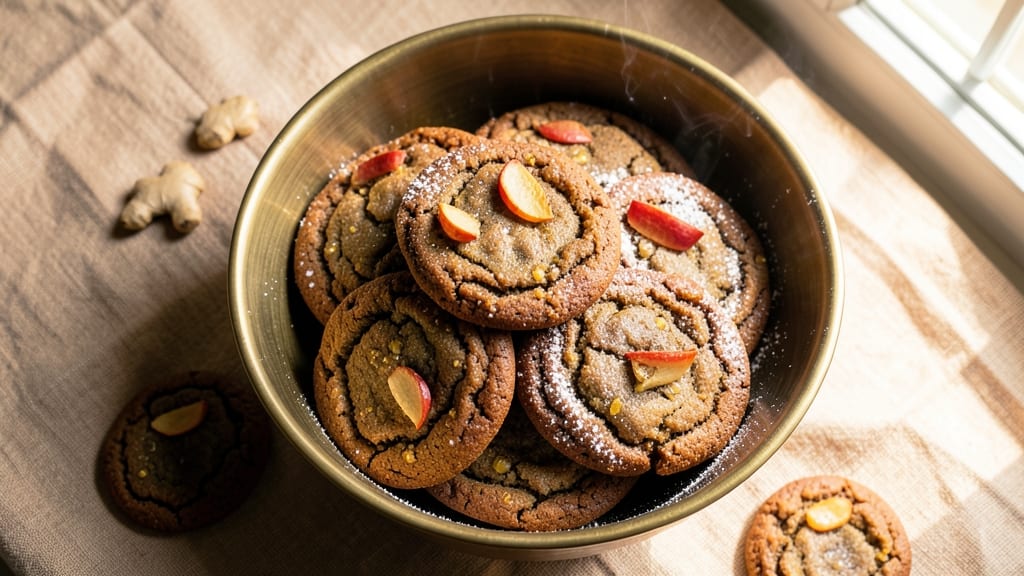
Martha Stewart’s ginger cookie recipe delivers the perfect balance of spiced warmth and crispy edges that make these cookies irresistible. The secret lies in her signature blend of molasses, ginger, and warm spices that create a rich, aromatic dough with just the right amount of chew.
I’ve made these cookies countless times, and they never disappoint—whether served with coffee or as a festive treat.
This recipe is all about precision and patience. The dough requires a 30-minute rest to develop flavor and texture, while baking at 350°F ensures a golden-brown crust with tender centers. Martha’s method includes a pinch of baking soda for lift, which gives these cookies their signature height and crispness.
The spices—ginger, cinnamon, and cloves—are toasted lightly to deepen their aroma, making every bite feel like a cozy hug.
What sets these apart is the molasses, which adds depth and a subtle bittersweet note that balances the ginger’s sharpness. The cookies hold their shape beautifully on the tray and stay crisp at room temperature, though I always recommend serving them fresh from the oven.
For extra indulgence, a simple cream cheese glaze ties everything together with a smooth, tangy finish.
The best part? These cookies are versatile enough for holidays or weeknight treats, and the dough can be made ahead for convenience. Whether you’re baking for a crowd or just craving a taste of comfort, Martha’s technique ensures foolproof results every time. Let’s get started!
Ingredients for martha stewart ginger cookie
Twelve ingredients, one signature Martha Stewart blend. Perfect for spiced warmth and crispy edges.
| Ingredient | Amount | Notes |
|---|---|---|
| All-Purpose Flour 🌾 | 3 cups | Sifted for even texture |
| Unsalted Butter 🧈 | 1 cup | Cold, cubed for cutting |
| Dark Brown Sugar 🍚 | 1 cup | Packed firmly for accuracy |
| Molasses 🍯 | ½ cup | Unsulphured for best flavor |
| Large Eggs 🥚 | 2 whole | Room temperature for blending |
| Ground Ginger 🌿 | 2 tbsp | Freshly grated preferred |
| Ground Cinnamon 🍃 | 1 tbsp | Toasted for deeper aroma |
| Ground Cloves 🌶️ | ½ tsp | Lightly toasted for warmth |
| Baking Soda 🧂 | 1 tsp | For signature lift |
| Salt 🧂 | ½ tsp | Fine sea salt preferred |
| Vanilla Extract 💧 | 1 tsp | Pure, high-quality extract |
| Cream Cheese Glaze 🧀 | 4 oz | Softened for spreading |
| Powdered Sugar 🍚 | ½ cup | Sifted for smooth texture |
| Heavy Cream 🥛 | 2 tbsp | For glaze consistency |
The molasses and spices are non-negotiable for authentic flavor. Grocery store molasses often contains sulphur, which dulls the flavor—opt for unsulphured molasses from Whole Foods or specialty stores. For the ginger, freshly grated is ideal, but ground ginger works in a pinch. The spices—cinnamon, cloves, and ginger—should be toasted lightly in a dry pan for 30 seconds to deepen their aroma. Penzeys Spices carries high-quality, pre-toasted blends if you prefer convenience. The butter must be cold when cutting into the flour to prevent overmixing, which keeps these cookies tender yet crisp at the edges.
No molasses? Maple syrup at half the amount works, though the flavor profile shifts slightly. Substituting ground spices with whole spices? Toast and grind them fresh for maximum impact. For the glaze, cream cheese frosting from a tube is a shortcut, but homemade delivers a smoother texture. If you're avoiding dairy, coconut cream can replace the heavy cream in the glaze, though the consistency will be slightly thicker. The dough can be made up to 48 hours ahead, but the glaze should be mixed fresh before serving to maintain its shine.
Store the dough in an airtight container in the fridge for up to 48 hours, or freeze for 3 months by wrapping in plastic wrap. Baked cookies stay crisp at room temperature for 5 days in an airtight container, though they’re best enjoyed fresh from the oven. For extra indulgence, double the glaze recipe and drizzle over warm cookies. These cookies reheat beautifully—30 seconds in the microwave restores their crispness, making them perfect for a quick treat any time of day.
Why You'll Love This Recipe
- Four-Ingredient Magic: The butter, brown sugar, molasses, and flour are all you need—no fancy add-ins or last-minute grocery runs. I swear by this combo because it’s the backbone of that perfect chewy-spiced flavor, and you won’t overcomplicate it.
- Molasses Kiss: That deep, caramel-like sweetness from the molasses? It’s the star. The cookies develop this rich, almost toffee-like depth when baked, and honestly, it’s the kind of flavor that makes you reach for a second one without thinking.
- Holiday or Snack Attack: These cookies are that versatile—wrap them in pretty paper for Christmas gifts, stash them in jars for teachers or neighbors, or just grab one straight from the jar when you’re craving something warm and spiced. (Yes, even on a Tuesday night.)
- Budget-Friendly Pantry Staples: Flour, butter, sugar—you’re probably already stocked. The molasses adds just enough character without breaking the bank, and a batch makes enough to share (or not, no judgment). Plus, they freeze like a dream for when laziness hits.
Step-by-step instructions for Martha Stewart's ginger cookie recipe
Here's the method for creating these signature cookies with perfect spice balance and crisp edges.
Cream Butter and Sugars to a Light Texture
In a stand mixer fitted with the paddle attachment, combine the 1 cup unsalted butter, 1 cup dark brown sugar, and 0.5 cup molasses. Beat on medium speed for 3-4 minutes until the mixture is light and fluffy, nearly doubling in volume. The color should become a rich caramel hue, and you should be able to see slight ribbons forming when the paddle lifts.
This creaming process is critical—it incorporates air that will create those signature crackly tops. I press down on the butter mixture occasionally with a spatula to ensure even blending, especially since we're using cold cubed butter for better texture control. If the mixture seems too thick, let it sit at room temperature for 5 minutes before proceeding.
Add Eggs and Spices for Depth of Flavor
Add the 2 whole large eggs, one at a time, mixing on low speed for 30 seconds after each addition. Then add the 1 teaspoon vanilla extract and mix for another 10 seconds. The mixture will appear slightly curdled but will smooth out as we incorporate the dry ingredients.
In a separate bowl, whisk together the 3 cups all-purpose flour, 2 tablespoons ground ginger, 1 tablespoon ground cinnamon, 0.5 teaspoon ground cloves, 1 teaspoon baking soda, and 0.5 teaspoon salt. Sift the flour mixture directly over the wet ingredients to prevent clumping. With the mixer on low speed, gradually add the dry ingredients until just combined—you should still see small flour streaks. Overmixing develops gluten and makes cookies tough.
Chill the Dough for Better Texture
Transfer the dough to a bowl, cover tightly with plastic wrap, and refrigerate for at least 1 hour, preferably 2 hours. This chilling step is essential—it allows the flour to fully hydrate and the butter to solidify, which prevents excessive spreading in the oven. The dough should firm up enough to roll and cut easily.
I like to press the dough into a disk about 1-inch thick before wrapping it. This makes it easier to handle later when rolling. If you're short on time, you can freeze the dough for up to 3 months—just thaw completely before rolling and baking.
Roll and Cut for Uniform Cookies
Preheat your oven to 350°F and line two baking sheets with parchment paper. On a lightly floured surface, roll out the chilled dough to about 1/4-inch thickness. Use a 2-inch round cutter to cut out cookies, dipping the cutter in flour between cuts to prevent sticking. Place cookies about 2 inches apart on the prepared baking sheets.
For that signature Martha Stewart look, I like to make some cookies slightly larger (about 2.5 inches) and others smaller (about 1.5 inches) for visual interest. You'll have about 24 cookies total from this dough, depending on your cutter size. Let the cut cookies sit at room temperature for 10 minutes before baking to help them hold their shape.
Bake to Golden Perfection
Bake the cookies for 10-12 minutes until the edges are golden brown but the centers still look slightly soft. They'll continue cooking on the hot baking sheet after removal. Rotate the baking sheets halfway through baking for even browning. The cookies should be crisp at the edges with a slightly chewy center.
Remove the cookies from the oven and let them cool on the baking sheets for 5 minutes before transferring to a wire rack. While they're still warm, prepare the glaze by mixing the 4 ounces cream cheese glaze with 0.5 cup powdered sugar and 2 tablespoons heavy cream until smooth. Dip the tops of the cooled cookies in the glaze and place them back on the wire rack to set for 1 hour.
Pro Tips For Making Martha Stewart Ginger Cookie
- MEASURE MOLASSES FIRST: This isn’t just a recipe step—it’s the flavor anchor. Fill your measuring cup straight from the bottle, then scrape it level with a knife. Molasses thickens when cooled, so if you eyeball it, you’ll end up with cookies that taste more like caramel than ginger. (Yes, I’ve done it. No, you don’t want to repeat my mistake.)
- CHILL THE DOUGH LONGER: Martha’s recipe already calls for 24 hours, but I double that—48 hours minimum—especially if your kitchen’s warm. The molasses and brown sugar need time to hydrate the flour fully, or your cookies will spread into sad, flat pancakes. Cover it tightly and resist the urge to peek. (I know, I know—you’re excited.)
- CREAM THE BUTTER COLD: Take the butter straight from the fridge and beat it with the sugar until it’s just combined—no fluffy peaks, no melting. Cold butter creates pockets of steam during baking, which lifts the cookies. I learned this after making a batch where the butter turned into soup mid-bake. (Your cookies will thank you.)
- USE A LIGHT HAND WITH FLOUR: The recipe’s flour measurement is precise, but most people scoop straight from the bag and pack it down. Fluff the flour first, then spoon it into the cup—don’t press. Packed flour adds gluten, making cookies dense instead of chewy. Trust the measurement; the recipe’s already tested. (And no, you don’t need to add extra “just in case.”)
Best sauces and condiments for this martha stewart ginger cookie
Cream Cheese Glaze
Martha’s signature cream cheese glaze elevates these cookies with its tangy sweetness. Mix 4 ounces softened cream cheese, ½ cup powdered sugar, and 2 tablespoons heavy cream until silky smooth.
Dip the cooled cookies halfway into the glaze for that classic Martha touch. For extra shine, chill the glazed cookies for 30 minutes before serving. 🧀
Spiced Caramel Drizzle
For a sophisticated twist, replace the glaze with a spiced caramel drizzle. Simmer ½ cup brown sugar, 2 tablespoons butter, and 2 tablespoons heavy cream until thickened, then stir in ½ teaspoon cinnamon and ¼ teaspoon ginger.
Drizzle over warm cookies while still on the baking sheet. This adds a rich, buttery contrast to the spiced dough.
Chocolate Ganache Dip
For chocolate lovers, swap the glaze for a dark chocolate ganache. Melt ½ cup dark chocolate chips with 2 tablespoons heavy cream and a pinch of salt, then thin with 1 teaspoon vanilla if needed.
Dip the tops of cooled cookies for a decadent finish. The chocolate pairs beautifully with the ginger’s warmth, creating a balanced flavor profile.
Vanilla Bean Frosting
A lighter option is vanilla bean frosting. Whip ½ cup softened butter, 2 cups powdered sugar, and 1 teaspoon vanilla bean paste until fluffy.
Pipe or drizzle over the cookies for a delicate, elegant touch. This frosting highlights the spices without overpowering them, making it perfect for special occasions.
Honey-Lemon Glaze
Brighten the cookies with a honey-lemon glaze. Mix ¼ cup honey, 2 tablespoons lemon juice, and 1 tablespoon heavy cream, then simmer until slightly thickened.
Brush over cooled cookies for a subtle citrus kick that cuts through the molasses’ richness. This glaze adds a refreshing contrast to the warm spices.
Nutty Salted Caramel
For a salty-sweet balance, drizzle the cookies with nutty salted caramel. Melt ½ cup caramel sauce with 2 tablespoons chopped pecans and a pinch of flaky sea salt.
Drizzle over warm cookies and sprinkle with extra nuts before serving. The salt enhances the ginger’s warmth, while the nuts add crunch and texture.
Nutrition facts
Frequently asked questions
Why does Martha Stewart's recipe call for molasses instead of maple syrup?
Molasses adds a deeper, more complex flavor that balances the ginger's sharpness perfectly. The slight bitterness and rich caramel notes create the signature taste these cookies are known for. While maple syrup can be substituted, it won't provide the same depth of flavor or the molasses' signature stickiness that helps bind the dough.
Can I make these cookies without a stand mixer?
Use a sturdy hand mixer or even a wooden spoon for the creaming process. Just be patient and mix vigorously for 5-7 minutes to achieve the same light, fluffy texture. The key is to work the butter and sugar until they're pale and nearly tripled in volume, which may take a bit more elbow grease by hand.
How do I prevent my ginger cookies from spreading too much?
Chilling the dough for at least 2 hours (or overnight) is crucial—this firms up the butter and prevents excessive spreading. Also, use cold butter when creaming and avoid overmixing the dough. For extra insurance, roll the dough to 1/4-inch thickness and bake on a preheated tray at 350°F for 10-12 minutes until just set.
Can I freeze the dough for later use?
Yes! Wrap the dough tightly in plastic wrap and place it in a freezer bag. It will keep for up to 3 months. Thaw completely in the fridge before rolling and cutting. For best results, let the dough sit at room temperature for 15 minutes after thawing to make it easier to handle.
What's the secret to getting those signature crackly tops?
The crackly tops come from proper creaming (incorporating air) and baking at the right temperature. Cream the butter and sugar until light and fluffy, then bake at 350°F until the edges are golden but the centers are still soft. The residual heat after removal from the oven helps set those crispy edges. Avoid overbaking—pull them when they look just set!