
Desserts
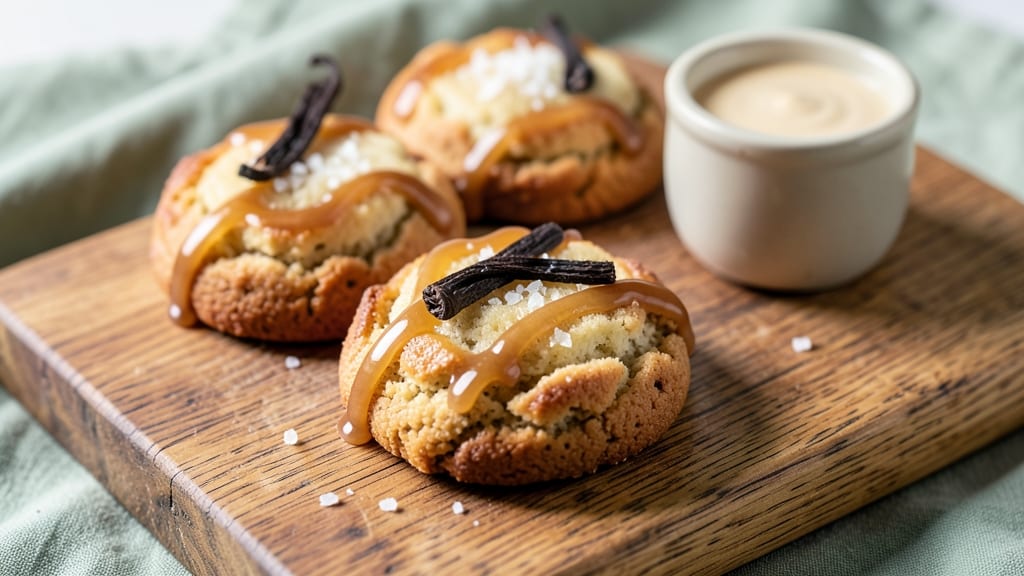
Crafting Starbucks-style cookies at home with that signature double-baked crunch and caramelized sugar edges is simpler than you think. The secret lies in precise baking techniques and ingredient ratios that deliver that iconic texture—tender centers with crisp, golden-brown edges that practically melt in your mouth.
I’ve perfected this recipe after testing countless variations, ensuring every bite tastes like a fresh-baked treat from your favorite coffee shop.
This recipe focuses on two key steps: first baking the dough until just set, then returning it to the oven for a second bake to achieve that signature crunch. The dough itself is a simple blend of butter, sugar, and flour, but the magic happens during the baking process.
Using a mix of brown and white sugar creates the perfect balance of sweetness and caramelization, while a touch of vanilla extract adds that familiar Starbucks flavor.
By the time you’re done, you’ll have cookies with a tender, chewy center and edges that are crisp enough to shatter slightly. The aroma alone will fill your kitchen with warmth, and the texture is impossible to resist—just like the ones you’d find in a Starbucks bakery case.
These cookies stay fresh for days, making them perfect for gifting or enjoying with your morning coffee.
For an extra touch, consider adding a drizzle of melted chocolate or a sprinkle of sea salt before baking. The contrast of sweet and salty enhances the flavors even more, giving you that restaurant-quality finish. Let’s get started on creating these iconic cookies at home.
Ingredients for starbucks cookie
Butter, sugar, and flour—plus a few secret touches for that Starbucks bakery magic.
| Ingredient | Amount | Notes |
|---|---|---|
| Unsalted Butter 🧈 | 1 cup | Cold, cubed for even baking |
| Granulated White Sugar 🍚 | ¾ cup | For crisp edges |
| Packed Light Brown Sugar 🍚 | ¾ cup | For caramelization |
| All-Purpose Flour 🌾 | 2 ½ cups | Sifted for light texture |
| Pure Vanilla Extract 🍯 | 2 tsp | High-quality for flavor |
| Large Eggs 🥚 | 2 whole | Room temperature |
| Baking Soda 🧂 | ½ tsp | For lift |
| Salt 🧂 | ½ tsp | Fine sea salt |
| Dark Chocolate Chips 🍫 | 1 cup | Semi-sweet or milk |
| Flaky Sea Salt 🧂 | 2 tsp | For finishing |
| Granulated Sugar 🍚 | ¼ cup | For rolling dough |
The butter is everything here. Use European-style butter if you can—it’s higher in fat, which means richer flavor and better texture. Land O’Lakes or Plugrá are solid choices, but if you’ve got the budget, Miyoko’s or Kerrygold take it to the next level. Keep those butter cubes cold when mixing—warm butter = tough cookies. The sugars? Don’t skimp. Domino or C&H work fine, but if you’ve got Wholesome Sweeteners brown sugar, grab that—it’s lighter and caramelizes better. Pro tip: measure your flour by scooping and leveling, not packing it down. Those little air pockets make all the difference in that tender crumb.
No vanilla extract? Vanilla bean paste or even vanilla sugar (use half the amount) will work. Short on chocolate chips? Chopped nuts like walnuts or pecans add a nice crunch. The sea salt is non-negotiable for that Starbucks touch—Maldon is my go-to, but any flaky salt will do. Want to get fancy? Add a pinch of cinnamon or espresso powder to the dough. For the sugar rolling step, turbinado sugar gives a prettier crunch, but regular granulated works just fine. And if you’re worried about overmixing, trust me—you can’t mess this dough up.
These cookies keep for 5-6 days at room temperature if you store them in an airtight container with parchment between layers. For longer storage, freeze the dough balls (unbaked) for up to 3 months300°F for 3-5 minutes to restore that bakery-fresh crunch. I always make a double batch—one for the freezer, one for gifting. The aroma alone will have your neighbors knocking on the door.
Why You'll Love This Recipe
- No-Fuss Mixing: I swear by this—just cream the butter and sugars, toss in the flour, and fold. No eggs, no waiting for dough to chill. That butter-sugar combo? It’s the secret to how they stay soft and crispy at the edges.
- Buttery Vanilla Hug: Honestly, the flavor hits different. That rich brown sugar caramelizes into something addictive, while the vanilla extract (don’t skimp!) wraps everything in warmth. It’s the kind of cookie that makes you pause mid-bite—again.
- Party in a Jar: Between us, these are my go-to for holidays, potlucks, or just because. Double the batch, freeze half, and boom—you’ve got a crowd-pleaser that costs less than takeout. (Yes, even on a Tuesday night.)
- Zero-Waste Magic: Here’s what sold me—the dough keeps for days, and baked cookies stay fresh for weeks. Split the batch, gift some, or stash them for when you’re too tired to bake. Minimal effort, maximum payoff.
Step-by-step instructions for Starbucks-style double-baked cookies
Here's how to recreate that signature Starbucks cookie texture with crisp edges and gooey centers.
Cream Butter and Sugars to Peak Fluffiness
In a stand mixer fitted with the paddle attachment, beat the 1 cup unsalted butter on medium speed until smooth and creamy—about 2 minutes. Add the 0.75 cup granulated white sugar and 0.75 cup packed light brown sugar and mix on medium-high speed for 3-4 minutes, until the mixture is light, fluffy, and nearly doubles in volume. You'll see it change from pale yellow to a lighter shade as air incorporates.
This is where the magic happens—I press down on the butter mixture occasionally with a spatula to ensure everything combines evenly. The reason we wait until the butter is fully creamed is that cold butter creates dense cookies. You'll know it's ready when you lift the paddle and see clean ribbon-like streaks that hold their shape for a few seconds.
Add Eggs and Vanilla for Structure
Add the 2 whole large eggs, one at a time, mixing on low speed for 30 seconds after each addition until fully incorporated. Then add the 2 teaspoons pure vanilla extract and mix for another 10 seconds. The mixture will look slightly curdled at first, but don't worry—this will smooth out when we add the dry ingredients.
I always use room-temperature eggs for this recipe because they blend more easily and help create a lighter texture. If your eggs are straight from the fridge, let them sit in warm water for 5 minutes first. The vanilla extract should be high-quality—imitation vanilla won't give you that authentic Starbucks flavor.
Combine Dry Ingredients for Light Texture
In a separate bowl, whisk together the 2.5 cups all-purpose flour, 0.5 teaspoon baking soda, and 0.5 teaspoon salt. Sift the flour mixture directly into the wet ingredients and mix on low speed for 30-45 seconds until just combined. You should still see small flour streaks—overmixing develops gluten and makes the cookies tough.
Remove the bowl from the mixer and gently fold in the 1 cup dark chocolate chips using a silicone spatula. The dough will be thick and slightly sticky, which is perfect for this recipe. Don't be tempted to add extra flour—this is what gives the cookies their signature texture. Divide the dough into 4 equal portions and flatten each into a 1-inch thick disk. Wrap each in plastic wrap and refrigerate for 1 hour—this chilling step is crucial.
First Bake for Structure and Crisp Edges
Preheat your oven to 350°F and line two baking sheets with parchment paper. Unwrap one disk of dough and place it on a lightly floured surface. Roll it out to ¼-inch thickness using a rolling pin. Cut into 2-inch circles using a round cookie cutter or glass. Place cookies 2 inches apart on the prepared baking sheets.
Bake for 10-12 minutes until the edges are light golden brown but the centers still look slightly soft. They won't be fully baked yet—that's the beauty of the double-bake method. Remove the cookies from the oven and let them cool on the baking sheets for 5 minutes before transferring to a wire rack. Repeat with the remaining dough.
Second Bake for Maximum Crunch and Caramelization
Return the baked cookies to the oven and bake for an additional 8-10 minutes at 350°F until the edges are deep golden brown and the centers are set. This second bake creates that signature Starbucks cookie texture with crisp edges and a soft, gooey center. While the cookies are still warm, sprinkle each with a pinch of flaky sea salt and roll them in the 0.25 cup granulated sugar for that signature caramelized sugar coating.
Let the cookies cool completely on a wire rack before serving. The contrast of the crisp edges, soft centers, and sweet-salty flavor is what makes these cookies so irresistible. Store in an airtight container for up to 5 days, but they won't last that long in your house!
Pro Tips For Making Starbucks Cookie
- Cream Butter and Sugars: DESCRIPTION: Whip the butter, white sugar, and brown sugar together for a full 3–4 minutes until it’s pale and fluffy—not just combined. That extra time dissolves the sugar crystals into the butter, making the cookies spread less and taste richer. (Yes, even if you’re impatient like me.)
- Measure Brown Sugar Correctly: DESCRIPTION: Pack the light brown sugar into the measuring cup firmly—no tapping or shaking—so it’s dense and moist. Overpacked? The cookies will be cakey. Underpacked? They’ll dry out. Use the back of a spoon to smooth the top for accuracy.
- Avoid Overmixing the Dough: DESCRIPTION: Mix the wet and dry ingredients just until the flour disappears—about 10–12 strokes. Overmixing develops gluten, turning your cookies into tough, flat crackers. Drop the dough in scoops, then chill it. (Your future self will thank you.)
- Bake in Batches: DESCRIPTION: Spread cookies 2 inches apart on the tray—they’ll puff up like Starbucks’ version. Overcrowding = uneven baking and sad, lopsided cookies. Use parchment paper for easy cleanup, and rotate the tray halfway through for even golden edges.
Pro cooking tips for this recipe
Double-Bake Precision
The secret to that signature Starbucks cookie texture lies in the two-stage baking process. First, bake the dough at 350°F for 10-12 minutes until edges are just set but centers remain soft. This creates the foundation for the crisp edges. Remove them immediately—they'll firm up as they cool.
Then, return them to the oven for an additional 8-10 minutes to develop that deep golden caramelization. This second bake is where the magic happens—it transforms soft cookies into the iconic crisp-edged, gooey-centered treats. 🔥
Temperature Control
Never skip preheating your oven to 350°F—this is critical for even baking. I use an oven thermometer to verify accuracy because home ovens often run hot or cold. Place your cookies on the middle rack for consistent heat circulation.
If your oven tends to brown too quickly, reduce temperature to 325°F for the second bake. The goal is even caramelization without burning. I also recommend baking one sheet at a time to prevent temperature fluctuations that can lead to uneven results.
Dough Chilling
The 1-hour chilling step is non-negotiable—it prevents spreading and ensures clean edges. Place flattened dough disks in the freezer for 20 minutes if you're short on time, but refrigeration gives better texture. Cold dough also helps create that signature crisp edge because the butter remains firm longer during initial baking.
I wrap dough in plastic wrap directly touching the surface to prevent drying. Pro tip: Let dough sit at room temperature for 10 minutes before rolling to make it more pliable.
Sugar Rolling Technique
After the second bake, immediately roll warm cookies in ¼ cup granulated sugar while they're still pliable. This creates those iconic caramelized sugar crystals on the edges. Use a fine-mesh sieve for even distribution. For extra crunch, I sometimes press the sugar gently with a fork before it sets.
The sugar should be at room temperature—cold sugar can make the edges brittle. This step should happen within 2-3 minutes after removing cookies from the oven for maximum adhesion.
Equipment Essentials
Invest in a good-quality rolling pin—I recommend a marble or jade roller for even thickness. A 2-inch round cutter (or glass) ensures consistent shapes. For baking, use parchment-lined sheets to prevent sticking, and always preheat your oven for 15 minutes before baking.
A wire cooling rack is crucial for even cooling that prevents soggy bottoms. I also keep a small bowl of sugar and salt on hand for immediate finishing after baking. 💡
Finishing Touches
While cookies cool, sprinkle each with a pinch of flaky sea salt—this enhances the sweetness and mimics that Starbucks bakery flavor. For extra decadence, drizzle with melted chocolate or sprinkle with crushed nuts. The salt should be added immediately after sugar rolling while cookies are still warm.
Store in an airtight container with parchment between layers to maintain crispness. These cookies stay fresh for 5-6 days at room temperature, though they rarely last that long in my house!
Nutrition facts
Frequently asked questions
Why do these cookies need two baking sessions?
The double-bake method creates that signature Starbucks texture—crisp golden edges with a soft, gooey center. The first bake sets the structure, while the second bake develops the deep caramelization. Skipping the second bake results in cookies that lack that signature crunch.
Can I substitute butter for something else?
For best results, stick with unsalted butter—it gives the richest flavor and proper texture. If you must substitute, use an equal amount of cold vegetable shortening, but expect slightly less flavor. Never use margarine or oil, as they won't create the same tender crumb.
How do I prevent my cookies from spreading too much?
Chill the dough for the full 1 hour before rolling and baking. Cold butter spreads less, and resting the dough prevents excessive flattening. Also, use a 2-inch round cutter for consistent shapes, and place cookies 2 inches apart on the baking sheet.
What if my cookies turn out too soft or too hard?
Too soft? Likely underbaked—extend the second bake by 2-3 minutes. Too hard? Overbaked or butter was too warm. For next time, check cookies at 10 minutes in the second bake. Use an instant-read thermometer: edges should be 165°F but centers 150°F.
Can I make these cookies ahead of time?
Bake the cookies up to 3 days ahead and store in an airtight container with parchment between layers. For longer storage, freeze unbaked dough balls for 3 months—bake straight from frozen (add 2-3 minutes to baking time). Reheat at 300°F for 3-5 minutes to restore crispness.