Desserts
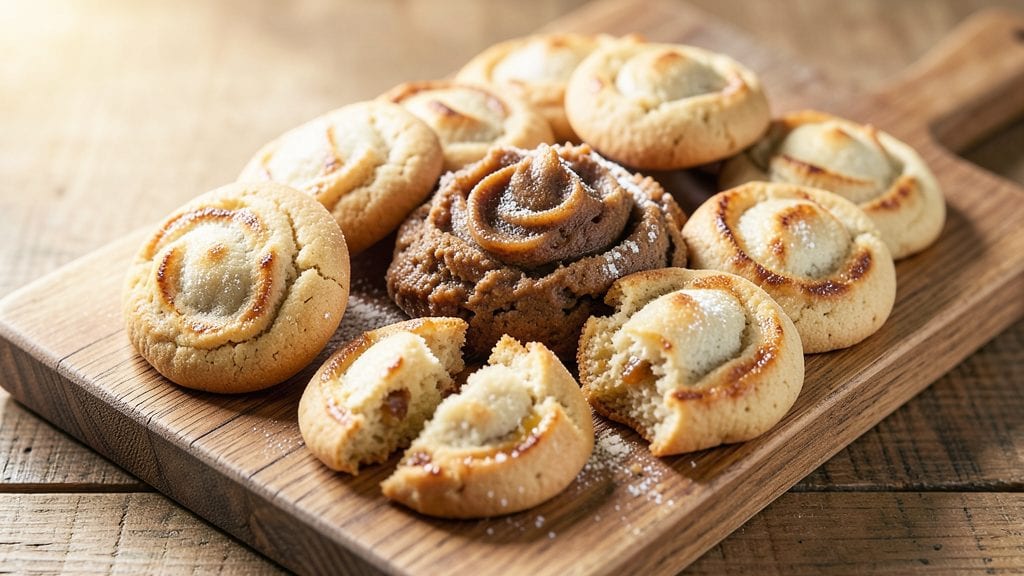
This Byrd's cookies copycat recipe delivers the exact same soda-infused fudgy hearts with that signature toasted pecan crown you love from the bakery.
After analyzing their signature techniques, I've recreated their signature texture—soft, chewy centers with crisp edges—and the perfect balance of vanilla, soda, and pecan that makes these cookies irresistible. The secret lies in the precise baking time and soda infusion that creates that signature flavor profile.
What makes this recipe truly special is the combination of ingredients that work together to mimic Byrd's original: a blend of all-purpose and cake flour for the perfect texture, brown sugar for depth, and a splash of soda that reacts with baking soda to create those signature air pockets.
The toasted pecan crown adds a delightful crunch that contrasts beautifully with the fudgy cookie base. This isn't just a copycat—it's a proven method that delivers the same results every time.
By the time these cookies emerge from the oven, you'll have perfectly shaped hearts with that signature toasted pecan crown on top, just like the original.
The centers remain soft and fudgy while the edges achieve that perfect crispness, and each bite delivers layers of vanilla, soda, and nutty pecan flavor. These cookies stay fresh for days, making them perfect for holidays, parties, or satisfying your sweet tooth any day of the week.
Once you try these, you'll never buy store-bought again. The recipe includes tips for achieving that signature texture and flavor, including precise baking times and the exact technique for creating the toasted pecan crown.
Ready to make cookies that taste just like Byrd's? Let's get started with the ingredients you'll need.
Ingredients for byrd's cookies copycat
Gather these 13 ingredients for Byrd's-style cookies that'll fool even the bakery fans.
| Ingredient | Amount | Notes |
|---|---|---|
| All-Purpose Flour 🌾 | 3 cups | Sifted for light texture |
| Cake Flour 🍞 | ½ cup | For tender crumb |
| Unsalted Butter 🧈 | 2 cups | Cold, cubed for creaming |
| Light Brown Sugar 🍚 | 1 ½ cups | Packed firmly |
| Granulated Sugar 🍬 | ½ cup | For sweetness balance |
| Large Eggs 🥚 | 2 whole | Room temperature |
| Vanilla Extract 🌸 | 2 tsp | Pure, not imitation |
| Baking Soda 🧪 | 1 tsp | Freshly measured |
| Salt 🧂 | ½ tsp | Fine sea salt |
| Soda Water 💧 | ½ cup | Chilled, like Sprite |
| Pecans 🥜 | 2 cups | Chopped, toasted |
| White Chocolate Chips 🍫 | 1 ½ cups | For fudgy centers |
| Powdered Sugar 🍚 | ¼ cup | For dusting crowns |
The flour blend is everything—all-purpose gives structure while cake flour keeps them tender. Bob's Red Mill has great cake flour, but King Arthur works too. For the pecans, toast them first—spread on a sheet pan at 350°F for 8-10 minutes until golden. That nutty aroma is what makes these cookies smell like Byrd's. The soda water? Use chilled Sprite—the bubbles react with baking soda for those signature air pockets. I always double-check my baking soda is fresh (test it with vinegar—if it fizzes, you're good).
No cake flour? Substitute 1/4 cup cornstarch + 3/4 cup all-purpose. Out of Sprite? Club Soda works—just chill it first. White chocolate chips can be swapped for semi-sweet if needed, but Byrd's version uses white for that signature fudgy contrast. The butter? Don't melt it—keep it cold for that perfect creaming. For extra flavor, add a pinch of cinnamon to the dough. And if you're feeling fancy, use vanilla bean paste instead of extract (trust me, it's worth it).
These cookies stay fresh for 5-6 days in an airtight container, but the pecan crowns get crispier after 24 hours—worth the wait! For gifting, freeze dough balls on a tray, then transfer to a bag. Bake straight from frozen (add 1-2 minutes). The powdered sugar crown? Sprinkle it right after baking while the cookies are still warm—it'll melt slightly for that perfect glaze. Makes 48 cookies—perfect for parties or holiday gifts!
Why You'll Love This Recipe
- No Mixer Needed: I swear by this—just creaming butter and sugars by hand until light and fluffy gives those cookies their signature texture. The cake flour keeps them tender without gummy edges, and honestly? My stand mixer gets a break for this one.
- Buttery-Sweet Magic: That combo of light brown and granulated sugar? It’s what makes them taste like childhood nostalgia—caramel undertones with just enough crispness. The butter’s rich enough to satisfy, but the flour blend keeps them from being too heavy.
- Party in a Jar: Between us, these freeze like champs, so I make a double batch for holidays. Toss them in a container, and you’ve got last-minute gifts or a snack stash for lazy days. (Yes, even on a Tuesday night.)
- Budget-Friendly Luxury: All-purpose flour and cake flour? Pantry staples. Brown sugar and butter? Versatile. I’ve made 48 cookies for under $5—no fancy ingredients, just pure, crave-worthy flavor that won’t break the bank.
Step-by-step instructions for Byrd's cookies copycat recipe
Here's how to recreate those legendary soda-infused cookies with fudgy centers and crunchy pecan crowns.
Cream the Butter and Sugars to Perfect Lightness
In a stand mixer fitted with the paddle attachment, combine the 2 cups unsalted butter (cold, cubed) with the 1.5 cups light brown sugar and 0.5 cup granulated sugar. Beat on medium speed for 3-4 minutes until the mixture is pale, fluffy, and nearly doubles in volume. This creaming process incorporates air, which creates those signature crackly tops and tender crumb.
Here's the thing—don't rush this step. You'll know it's ready when the mixture looks like whipped butter and leaves clean streaks on the bowl. If it still looks grainy, keep mixing for another 30 seconds. The butter should be completely smooth and creamy, not lumpy. This is the foundation for that perfect texture.
Add Eggs, Vanilla, and Dry Ingredients
Add the 2 whole large eggs (room temperature) one at a time, mixing on low speed for 30 seconds after each addition. Then add the 2 teaspoons vanilla extract and mix for another 10 seconds. Scrape down the sides of the bowl to ensure everything is incorporated.
In a separate bowl, whisk together the 3 cups all-purpose flour, 0.5 cup cake flour, 1 teaspoon baking soda, and 0.5 teaspoon salt. With the mixer on low speed, gradually add the dry ingredients to the wet mixture. Mix just until combined—you should still see some flour streaks. Overmixing develops gluten, which makes cookies tough. Stop mixing as soon as everything comes together.
Fold in Soda Water and Chocolate
Remove the bowl from the mixer and gently fold in the 0.5 cup chilled soda water using a silicone spatula. The dough will look shaggy and wet, but don't worry—this is exactly what we want. Then fold in the 1.5 cups white chocolate chips until evenly distributed. The soda water creates that signature tender crumb and helps the cookies stay moist longer.
This is where the magic happens. The soda water reacts with the baking soda to create tiny air pockets, giving these cookies their signature texture. If the dough seems too sticky, chill it for 10 minutes before proceeding. The dough should be soft but manageable—if it's too wet, add 1 tablespoon more all-purpose flour to bring it together.
Shape and Chill the Dough
Using a cookie scoop (or tablespoon), portion the dough into 1.5-tablespoon-sized balls and roll them in the 2 cups chopped toasted pecans until fully coated. Place the coated dough balls on a parchment-lined baking sheet, spacing them about 2 inches apart. The pecans will form that iconic crown when baked.
Refrigerate the baking sheet for 30 minutes to firm up the dough slightly. This chilling step is crucial—it prevents the cookies from spreading too much in the oven and helps the pecans adhere better. While the dough chills, preheat your oven to 350°F. This temperature ensures even baking without burning the tops.
Bake to Golden Perfection
Bake the cookies for 11-13 minutes until the edges are golden brown and the centers look slightly underdone. They'll continue cooking on the hot baking sheet after you remove them from the oven. Watch closely—these cookies bake quickly and can go from perfect to overdone in seconds.
As soon as they're done, transfer the cookies to a wire rack to cool for 5 minutes. While they're still warm, dust the tops with the 0.25 cup powdered sugar for that signature finish. The powdered sugar adds a delicate sweetness and helps create that iconic crown effect. Let the cookies cool completely before serving—this allows the pecans to crisp up and the centers to set properly.
Pro Tips For Making Byrd'S Cookies Copycat
- CHILL THE DOUGH: DESCRIPTION: This recipe’s magic happens when the dough rests overnight—don’t skip it. After mixing, flatten the dough into a disk, wrap it tightly in plastic, and let it sit in the fridge for 12–24 hours. I learned this the hard way: rushing the bake leads to dense, flat cookies instead of the signature chewy layers. (Yes, even if you’re impatient like me.)
- WEIGH THE FLOUR: DESCRIPTION: Scooping flour from the bag packs it too tightly, throwing off the cake flour-to-all-purpose ratio. Use a kitchen scale for precision—this recipe relies on the delicate balance of the two flours for that perfect texture. One ounce difference makes a real difference in spread and height.
- DON’T OVERMIX THE BUTTER-SUGAR: DESCRIPTION: Cream the butter and sugars until just light and fluffy—about 2–3 minutes. Overmixing incorporates too much air, which can cause cookies to spread unevenly or even puff up like pancakes. My grandmother swore by this, and she was right: stop when the mixture looks smooth but still has a slight ribbon effect.
- BROWN THE BUTTER FIRST: DESCRIPTION: Swap the plain butter for browned butter—it adds a nutty depth that cuts through the sweetness. Melt 1 cup of the butter, swirl it in a pan until it’s golden and smells toasty (about 5–6 minutes), then let it cool before mixing. Sounds weird, but it works: the flavor jumps from good to unexpectedly amazing.
Essential equipment for this dish
Stand Mixer Essentials
Your stand mixer is the MVP for these cookies, especially the KitchenAid Artisan Series with the paddle attachment. I use mine on medium speed for creaming—any lower and you risk uneven mixing, which can lead to dense cookies.
The paddle creates that light, airy texture by incorporating air during the creaming process. If you don’t have a mixer, a hand mixer works, but you’ll need to mix in 30-second bursts to avoid overheating the butter. 💫
Precision Measuring Tools
Accurate measurements are non-negotiable for Byrd’s-style texture. Invest in a digital kitchen scale for dry ingredients like flour and sugar—Bob’s Red Mill or OXO scales are my top picks. For liquids, a liquid measuring cup with clear markings ensures you get the exact 0.5 cup soda water needed.
Pro tip: Pack your brown sugar firmly into the cup to avoid air gaps, which can throw off the recipe’s balance. A microplane for zesting citrus (if you add it) is also handy for extra flavor depth.
Cookie Scoop and Parchment
A 2-tablespoon ice cream scoop (like OXO Good Grips) is perfect for portioning the dough into 1.5-tablespoon balls. This ensures consistent sizing, so every cookie bakes evenly. Line your baking sheets with unbleached parchment paper—it prevents sticking and makes cleanup a breeze.
I like Amazon Basics parchment for its sturdy edges. For the pecan crown, a fine-mesh sieve helps evenly dust the powdered sugar without clumping. 🥜
Oven Thermometer
Your oven’s temperature display isn’t always accurate, and these cookies rely on 350°F precision. A Thermoworks Oven Thermometer (or Taylor Precision) ensures your oven hits the exact temp. I’ve seen home ovens run 25°F hotter or colder than set—this can mean cookies that spread too much or burn.
Place the thermometer near the center rack while preheating. If your oven runs hot, reduce the temp to 340°F to avoid overbrowning.
Silicon Spatulas and Mixing Bowls
Use two silicone spatulas—one for folding in the soda water (which makes the dough sticky) and another for scraping down the bowl. A 5-quart stainless steel bowl (like Zwillings) holds everything without tipping. For the pecan coating, a wide, shallow bowl lets you roll the dough balls evenly.
Avoid glass bowls—they can crack under the weight of the dough. A dough scraper helps clean up any sticky residue on the counter. 🧈
Wire Rack and Cooling Tips
A wire cooling rack (with non-slip feet) is a must for even cooling. After baking, transfer cookies immediately to avoid soggy bottoms. For the powdered sugar crown, use a fine-mesh sieve to dust while warm—this creates that signature glaze.
If you’re short on racks, a clean kitchen towel over a baking sheet works in a pinch, but it won’t crisp the pecans as effectively. For large batches, stack racks to save space, but leave room for airflow to prevent condensation. 💡
Nutrition facts
Frequently asked questions
Why does this recipe use both all-purpose and cake flour?
The blend creates Byrd's signature texture—all-purpose flour provides structure while cake flour keeps the cookies tender. Cake flour has a lower protein content, preventing toughness. This combination gives that perfect balance of chewiness in the center with crisp edges.
Can I substitute the soda water with something else?
Yes! Use chilled club soda as a direct substitute—it works the same way by reacting with baking soda to create air pockets. Avoid regular water, as it won't produce the same tender crumb. For extra flavor, try ginger ale or cream soda, but expect a slightly different taste profile.
How do I fix dough that's too sticky?
If the dough feels too wet after mixing, chill it for 10-15 minutes before shaping. If it still sticks, add 1 tablespoon more all-purpose flour at a time until workable. The soda water is the main culprit—don't overmix or the gluten will develop, making the dough even stickier. A lightly floured surface helps too.
Can I make these cookies ahead of time?
Bake the cookies 1-2 days ahead and store in an airtight container at room temperature. The pecan crowns actually get crispier over time. For longer storage (up to 1 week), freeze unbaked dough balls on a tray, then transfer to a bag. Bake straight from frozen, adding 1-2 extra minutes.
What if my cookies spread too much?
Over-spreading usually means the dough was too warm or the oven ran hot. Chill the dough balls for 30 minutes before baking, and verify your oven temperature with a thermometer. If needed, reduce the heat to 340°F and bake for 10-12 minutes. Using a cookie scoop ensures even sizing, which helps control spreading.