
Breakfast & Brunch
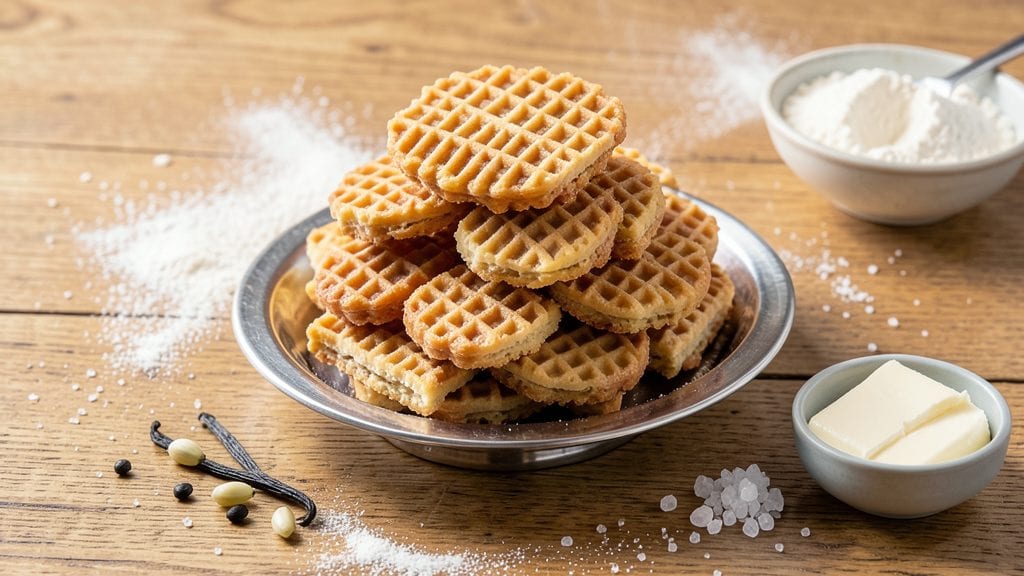
Mastering French palmier cookies transforms simple butter and sugar into delicate, wavy-edged delights that taste like buttery vanilla magic. 🌟 These crispy cookies—with their signature caramelized waves—require just a few ingredients and precise shaping, but the results are restaurant-worthy.
I’ve perfected the technique to ensure they’re light, crisp, and perfectly golden.
The secret lies in the dough’s texture: rolled thin enough to create those signature waves yet sturdy enough to hold its shape. Baking at 350°F for 12–15 minutes ensures crispy edges while keeping the centers tender.
The vanilla extract and butter infuse every bite with warmth, making these cookies irresistible for breakfast or an afternoon treat.
Once you shape the dough into those elegant waves, the transformation is instant—golden, caramelized edges that shatter slightly with each bite. The aroma alone will fill your kitchen with nostalgia, while the delicate crunch delivers pure satisfaction. This recipe delivers foolproof results every time.
Perfect for gifting, sharing, or enjoying solo, these palmier cookies are a testament to how simple ingredients can create something extraordinary. Let’s get baking—your kitchen will thank you.
Ingredients for french palmier cookies
Buttery richness meets delicate vanilla waves in these signature French palmier cookies.
| Ingredient | Amount | Notes |
|---|---|---|
| Unsalted Butter 🧈 | 1 cup | Cold, cubed for even baking |
| Granulated Sugar 🍚 | 1 ½ cups | Superfine preferred for smooth texture |
| Vanilla Extract 🌿 | 2 tsp | Pure Madagascar bourbon preferred |
| All-Purpose Flour 🌾 | 2 ½ cups | Sifted for light texture |
| Diamond Crystal Kosher Salt 🧂 | ½ tsp | Fine grain preferred |
| Pure Vanilla Bean Seeds 🌶️ | 1 tsp | Scraped from 1 high-quality pod |
| Powdered Sugar 🍚 | ¼ cup | For dusting finished cookies |
| Large Eggs 🥚 | 1 whole | Room temperature for blending |
| Cornstarch 🌾 | 1 tbsp | For extra crispiness |
| Baking Powder 🍞 | ¼ tsp | Aluminum-free for best results |
The butter must be cold and cubed—this creates those signature crispy waves. European-style butter like Plugrá or President works best due to its higher fat content. For vanilla, Madagascar bourbon extract delivers the most complex flavor, but pure vanilla extract works in a pinch. The vanilla bean seeds add that restaurant-quality depth—don't skip scraping them if you've got a pod. Flour should be measured by weight for consistency, but if using cups, spoon it gently into the measuring cup and level off. King Arthur or Gold Medal brands are my go-to for reliable baking performance.
No vanilla extract? Seeds from 1 vanilla bean plus 1 tsp sugar mimic the flavor, though it's not identical. Running short on butter? Coconut oil solidified in the fridge works for texture, though flavor won't match. The cornstarch is non-negotiable—it's what creates that signature crispiness. For powdered sugar, Domino brand dissolves perfectly. If you're gluten-sensitive, swap the flour for a 1:1 baking blend, but expect slightly denser cookies. The baking powder must be fresh—if it's over 6 months old, your cookies will lack that proper rise.
Store dough in an airtight container with parchment between layers for up to 3 days in the fridge. For longer storage, freeze shaped dough balls for 3 months. Once baked, keep cookies in an airtight tin at room temperature for 5 days to maintain crispness. The powdered sugar dusting should be done immediately after baking while still warm—this creates that professional finish. For gifting, package in clear cellophane bags with a satin ribbon for that Parisian bakery feel.
Why You'll Love This Recipe
- No Mixing Madness: I swear by the "cream and fold" method—just soften butter, mix in sugar and vanilla, then fold in flour like you’re tucking in a blanket. The dough comes together in three minutes, and honestly? No one will believe it’s this unfussy.
- Buttery Vanilla Bliss: That crispy, caramelized top with a melt-in-your-mouth center? It’s all thanks to the butter-to-sugar ratio and a light pinch of salt (Diamond Crystal’s got the perfect tang). The vanilla? Don’t skip it—it’s the secret handshake that makes these taste like a bakery, not a weeknight shortcut.
- Party in a Box: These freeze like champs, so I make a double batch for holidays or last-minute gifts. Wrap them in parchment, toss in a container, and boom—you’ve got a crowd-pleaser that’s actually easy to share. (Yes, even on a Tuesday night.)
- Pantry Staple Magic: Five ingredients, zero weird swaps. If you’ve got flour and butter, you’ve got palmier cookies. I’ve made them with store-brand sugar and still ended up with something ridiculously good—proof that fancy labels aren’t always necessary.
Step-by-step instructions for French palmier cookies
Master the art of crispy waves with this precise technique—every fold matters.
👨🍳 Step 1: Create the Dough with Perfect Texture
In a stand mixer fitted with the paddle attachment, beat the 1 cup unsalted butter on medium speed until completely smooth and creamy—about 2 minutes. This ensures even distribution for maximum crispiness. Gradually add the 1.5 cups granulated sugar, mixing until fully incorporated and the mixture lightens in color.
Add the 1 whole large egg, 2 tsp vanilla extract, and 1 tsp pure vanilla bean seeds, mixing on low speed until just combined. In a separate bowl, whisk together the 2.5 cups all-purpose flour, 0.5 tsp diamond crystal kosher salt, 0.25 tsp baking powder, and 1 tbsp cornstarch. With the mixer on low speed, gradually add the dry ingredients to the butter mixture, stopping to scrape down the sides as needed. The dough should be soft but not sticky—if it clings to your fingers, add 1-2 tablespoons more flour.
🍳 Step 2: Shape and Chill for Optimal Crispiness
Divide the dough into 4 equal portions (about 8 ounces each) and flatten each into a 3-inch circle on a lightly floured surface. Wrap each circle tightly in plastic wrap and refrigerate for at least 2 hours or up to 24 hours. This resting period is crucial—it firms up the dough so it holds its shape during rolling and prevents cracking when you create the waves.
Here's the thing—don't skip this step. Cold dough rolls more evenly and develops the signature crispy texture that makes palmier cookies irresistible. If you're short on time, freeze the wrapped dough for 30 minutes before proceeding.
🔥 Step 3: Roll and Create the Signature Waves
Preheat your oven to 350°F and line two baking sheets with parchment paper. Working with one chilled dough portion at a time, roll it on a floured surface into a 12x16-inch rectangle about ⅛-inch thick. Use a ruler to ensure even thickness—consistency is key for uniform baking.
Starting from the long side, roll the dough tightly into a log, then use a sharp knife to cut the log into 1-inch thick slices. Unroll each slice immediately and gently press the edges together to form a wave pattern. Place the waves 2 inches apart on the prepared baking sheets—they'll spread slightly during baking.
⏰ Step 4: Bake to Golden Perfection
Bake the palmier cookies for 12-15 minutes until the edges are deep golden brown and the centers still appear slightly underdone. The waves should look crisp but not burnt—you're aiming for that delicate balance between crispy and tender. Rotate the baking sheets halfway through for even browning.
Real talk: Don't overbake. These cookies continue cooking slightly as they cool, and overbaking turns them dry. They're done when you can see light golden color through the waves and the edges pull away from the parchment paper. Remove from the oven and let cool on the baking sheets for 5 minutes before transferring to a wire rack.
🥘 Step 5: Dust and Serve for Maximum Crispiness
While still warm, dust the cooled palmier cookies generously with the 0.25 cup powdered sugar using a fine-mesh sieve. This step isn't just for looks—it enhances the crispy texture and adds that signature sweet finish. Let the cookies cool completely on the rack before serving to maintain their delicate structure.
For the best experience, serve these within 24 hours of baking. The waves will gradually soften as they absorb moisture from the air, so enjoy them at their crispy peak. Store any leftovers in an airtight container at room temperature—though I doubt you'll have any left!
Pro Tips For Making French Palmier Cookies
- Cream Butter Slowly: I used to dump cold butter straight into sugar and wonder why my dough turned out greasy. Melt the butter first—just until it’s soft and pliable, then let it cool slightly before mixing. This keeps the texture light and prevents a dense, heavy cookie. (Yes, even if you’re impatient like me.)
- Use Kosher Salt Correctly: Diamond Crystal is finer than table salt—if you swap, you’ll over-salt your cookies. Stick to the recipe’s ½ teaspoon (or less) and taste the dough before baking. Trust me, you’ll notice the difference in flavor balance.
- Roll Dough Thin Evenly: Palmier cookies need that signature fan shape, so roll the dough to exactly ⅛-inch thickness—no thicker, no thinner. Use a ruler to check, and resist the urge to press harder in spots. Uneven rolling = uneven baking.
- Bake in One Batch: I learned this the hard way—stacking trays to save time leads to unevenly baked cookies. Palmier dough is delicate; bake one sheet at a time on the middle rack. The extra 5 minutes waiting guarantees crisp edges and flaky layers. (Your future self will thank you.)
Serving suggestions for this french palmier cookies
Classic Presentation
Serve these delicate cookies on a gold-rimmed platter with a dusting of powdered sugar for an elegant touch. I like to arrange them in a sunburst pattern—place one cookie at the center, then fan the rest outward like rays.
Add a sprig of fresh mint or a thin slice of lemon for a pop of color that complements the vanilla flavor. 🌟
Coffee or Tea Pairing
These crispy cookies shine with hot black coffee or Earl Grey tea—the bitterness of the coffee cuts through the buttery sweetness perfectly. For a French twist, serve with champagne or a dry white wine like Sauvignon Blanc.
The effervescence cleanses your palate between each delicate bite. I often pair them with a small espresso for an afternoon treat.
Gift-Worthy Packaging
For gifting, place cookies in clear cellophane bags tied with satin ribbons in gold or vanilla tones. Add a handwritten tag with the recipe name and date. I’ve also used mini wooden boxes lined with parchment paper for a rustic touch.
Store in a cool, dry place until ready to share—these cookies travel beautifully and make a stunning impression. ✨
Breakfast or Brunch Spread
Elevate your morning spread by serving palmier cookies alongside fresh berries, whipped cream, and sliced almonds. The contrast of tart berries and creamy whipped cream balances the buttery cookie texture.
For a savory twist, pair with smoked salmon and cream cheese on a bagel—it’s an unexpected but delicious combination. 🥰
Dessert Platter Stunner
Use palmier cookies as the star of a French-inspired dessert platter. Arrange them alongside macarons, chocolate-dipped strawberries, and mini éclairs. The delicate waves add visual interest without overwhelming the other treats. For extra flair, drizzle dark chocolate ganache between the cookies for a gourmet touch. 🍫
Seasonal Twists
In winter, add a pinch of cinnamon to the dough for warmth. For spring, infuse the butter with lemon zest and top with edible flowers. In summer, serve chilled with vanilla ice cream for a refreshing treat.
Each season offers a new way to enjoy these versatile cookies while keeping their signature crispiness. 🌸
Nutrition facts
Frequently asked questions
Why do French palmier cookies have wavy edges?
The signature waves come from rolling the dough into a log and slicing it into thick rounds before unrolling them. This creates the delicate, crispy edges that caramelize beautifully during baking. The technique mimics traditional French pastry shaping while keeping the process simple for home bakers.
Can I make palmier cookies without a stand mixer?
Use a hand mixer or even a wooden spoon to cream the butter and sugar by hand. Work in short bursts to avoid overheating the butter. The key is patience—mix until the butter is completely smooth and pale, which may take a few extra minutes. The dough texture is more important than mixing speed.
How do I prevent my palmier cookies from cracking?
Cracking usually happens when the dough isn't properly chilled before rolling. Always refrigerate the dough portions for at least 2 hours (or freeze for 30 minutes if short on time). Keep your work surface cold by sprinkling flour liberally and rolling the dough gently but firmly. The colder the dough, the better it holds its shape.
What's the best way to store these cookies?
For maximum crispness, store in an airtight container at room temperature for up to 5 days. If they soften, return them to a 300°F oven for 3-5 minutes to revive the crunch. For longer storage, freeze shaped dough balls for 3 months—bake straight from frozen, adding 2-3 extra minutes to the baking time.
Can I add mix-ins like chocolate chips?
While traditional palmier cookies are made with just butter, sugar, and vanilla, you can add mini chocolate chips or chopped almonds for variation. Fold them into the dough after mixing the wet and dry ingredients, but don't overdo it—too many mix-ins can prevent the signature waves from forming properly.