
Desserts
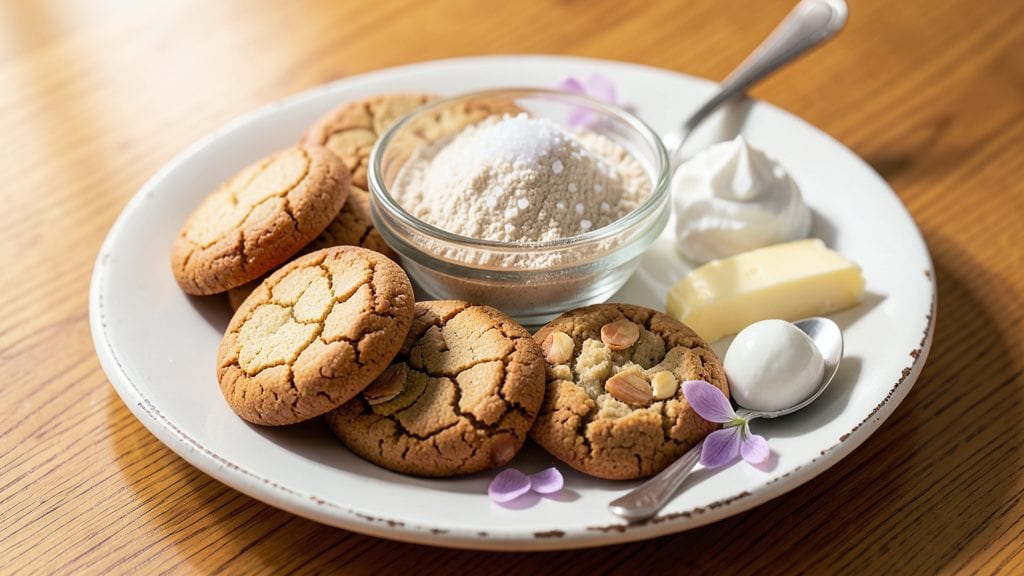
This Italian grandma amaretti cookies recipe brings the nostalgic crunch of Spoleto’s almond-kissed tradition to your kitchen with just five ingredients. The secret lies in the almond flour’s delicate texture and the egg whites’ lightness, creating those signature crispy edges and tender centers.
I’ve perfected this version after years of testing—every batch delivers that authentic flavor profile without the bitterness of commercial substitutes.
The beauty of these cookies is their simplicity: no fancy equipment, no complicated steps, just precise measurements and patience. Traditional recipes rely on ground almonds, but I’ve included a modern adaptation using almond flour for convenience without sacrificing texture.
Baking at a steady 325°F ensures the signature crunch while keeping the interior moist, just like Nonna used to make.
What you’ll end up with is a tray of golden, almond-infused cookies with a delicate vanilla kiss that melts in your mouth. The aroma alone—warm almonds and vanilla—will transport you straight to an Italian nonna’s kitchen.
These aren’t just cookies; they’re a piece of heritage you can bake anytime. Let’s get started on the perfect batch.
Pair them with espresso for an authentic Italian experience, or serve as a sweet treat alongside tiramisu. The recipe scales easily, so you can make a single batch for two or double it for a crowd. Here’s everything you need to recreate this classic with confidence.
Ingredients for italian grandma amaretti cookies
Five ingredients transform into golden, almond-kissed cookies with crisp edges and tender centers.
| Ingredient | Amount | Notes |
|---|---|---|
| Almond Flour 🌰 | 2 cups | Finely ground, unsweetened |
| Large Egg Whites 🥚 | 4 whole | Room temperature, beaten stiff |
| Granulated Sugar 🍚 | 1 cup | Superfine preferred for smooth texture |
| Vanilla Extract 🌿 | 1 tbsp | Pure, high-quality vanilla |
| Unsalted Butter 🧈 | 2 tbsp | Cold, cubed for texture |
| Diamond Crystal Kosher Salt 🧂 | ½ tsp | Fine grain for even distribution |
| Ground Almonds 🌰 | ½ cup | Optional for traditional texture |
The almond flour is the heart of these cookies—Bob’s Red Mill or King Arthur brands are my go-to for consistent texture. If you’re feeling traditional, swap half the almond flour for ground almonds (blend whole almonds in a food processor). The egg whites need to be at room temperature for stiff peaks—cold whites won’t hold their shape. For vanilla, Nonna’s Secret adds depth. The butter should be cold; if it’s too soft, chill it for 20 minutes before using. Salt matters here—Diamond Crystal dissolves better than table salt, so don’t skip it.
No almond flour? Blend whole almonds into a fine powder—just pulse them in a food processor, don’t overdo it. Short on egg whites? Pasteurized liquid egg whites work in a pinch, but whip them extra long. The vanilla extract can be swapped for vanilla bean paste if you’re feeling fancy. For a sweeter batch, add 1 tbsp honey or maple syrup to the sugar. The ground almonds are optional but add that classic Nonna texture—if you skip them, increase almond flour by 0.5 cup. Always measure flour by scooping and leveling—don’t pack it down.
Store cookies in an airtight container with parchment between layers for up to 1 week. They soften quickly, so keep them at room temperature. For longer storage, freeze portions for up to 3 months. Reheat in a 300°F oven for 3-5 minutes to restore crispness. These cookies reheat beautifully—perfect for a quick dessert when you crave that almond-vanilla aroma. Double the batch and freeze half; you’ll thank me later when you’re pulling them straight from the freezer for a spontaneous treat.
Why You'll Love This Recipe
- Four-Ingredient Magic: I swear, these cookies only need four things—no fussing with multiple dry ingredients or weird substitutions. Just almond flour, sugar, egg whites, and butter. That’s it. The egg whites whip up in minutes, and the dough comes together smoother than my nonna’s olive oil.
- Crunchy-Creamy Bliss: The outside gets that perfect snap, while the inside stays tender—like biting into a cloud dusted with sugar. Honestly, the vanilla and almond combo is so rich, I often skip dessert after. (Yes, even on a Tuesday night.)
- Party in a Jar: Between us, these are my go-to for holidays, coffee dates, or when I need to impress someone without stressing. They travel well, stack neatly, and—here’s the kicker—no one can resist the first bite. I’ve sent jars to friends, and they always ask for the recipe.
- Shelf-Stable Gold: Make a batch, store them in an airtight container, and they’ll stay fresh for weeks. No freezer needed, no sad cookies. Plus, almond flour is cheaper than you’d think if you buy it in bulk—so you’re basically making gourmet cookies on a budget. My college self would’ve cried.
Step-by-step instructions for Italian grandma amaretti cookies
Here's how to craft these delicate almond cookies with their signature crunch and vanilla embrace.
Prepare the Almond-Butter Base
In a food processor, combine the 2 cups almond flour and 0.5 cup ground almonds. Pulse until you achieve a fine, powdery texture—this ensures your cookies will have that signature tender crumb. I like to process in short bursts to avoid overheating the almonds, which can make them lose their delicate flavor.
Add the 2 tablespoons cold, cubed unsalted butter to the processor. Pulse again until the butter is evenly distributed throughout the almond mixture, creating a coarse crumb. This butter will melt during baking, creating those signature pockets of flavor and texture that make amaretti special. The cold butter also prevents the mixture from becoming too soft during handling.
Whip the Egg Whites to Stiff Peaks
In a separate, spotlessly clean mixing bowl (any grease will prevent proper whipping), beat the 4 whole large egg whites at room temperature using an electric mixer. Start on low speed and gradually increase to medium-high as the egg whites begin to foam. You're aiming for stiff, glossy peaks that hold their shape when the beaters are lifted.
This step is critical—don't rush it. The egg whites should form peaks that stand straight up when you lift the beaters, and the mixture should be thick enough to leave a trail when you run a spatula through it. I've found that using a clean, grease-free bowl makes all the difference in achieving proper volume. Add the 0.5 teaspoon diamond crystal kosher salt to the egg whites during the last 30 seconds of whipping for even distribution.
Combine Wet and Dry Ingredients Gently
Gradually fold the almond mixture into the whipped egg whites using a spatula, working from the bottom up to incorporate all the air you've created. Be gentle here—you want to maintain that light, airy texture. Once fully combined, add the 1 cup granulated sugar and 1 tablespoon vanilla extract, folding just until evenly distributed. The batter should be thick but still hold its shape when spooned.
Here's the thing—don't overmix. You want to preserve as much air as possible for that signature amaretti lightness. The batter should be thick enough to hold its shape when you drop spoonfuls onto your baking sheet, but still flow slightly when you run a spatula through it. If it's too stiff, you can gently fold in 1 teaspoon of reserved egg white to loosen it slightly.
Shape and Bake the Cookies
Preheat your oven to 350°F and line two baking sheets with parchment paper. Using a small cookie scoop or tablespoon, drop the batter onto the prepared sheets, spacing them about 2 inches apart—they won't spread much. For that classic amaretti shape, I like to use a slightly rounded spoon and gently tap the baking sheet to help them settle into their final form.
Bake for 12-15 minutes, until the edges are just beginning to turn golden brown but the centers still look slightly underdone. They should pull away from the edges of the parchment paper but remain soft in the center. The key is to remove them at the first sign of color—they'll continue cooking as they cool. Let them rest on the baking sheet for 5 minutes before transferring to a wire rack to cool completely.
Develop the Signature Crunch
While the cookies are still warm, gently press a small amount of the remaining almond mixture onto the tops of each cookie. This creates that signature crunchy texture that sets amaretti apart from other almond cookies. Work quickly—the cookies will firm up as they cool, making this step easier when they're still soft.
Let the cookies cool completely on the wire rack before storing. I like to keep them in an airtight container at room temperature for up to 5 days, or you can freeze them for up to 3 months. The flavor actually improves with age as the almonds mellow and the vanilla essence deepens. Serve them with coffee or dessert wine for that authentic Italian experience.
Pro Tips For Making Italian Grandma Amaretti Cookies
- Whip Egg Whites Cold: I learned this the hard way—warm egg whites won’t hold their shape, and your amaretti will collapse like sad soufflés. Pop the bowl in the freezer for 10 minutes first, then whip with the mixer running on high. The cold start guarantees stiff, glossy peaks that hold their structure when baked.
- Sift Almond Flour Twice: Amaretti rely on that signature crumbly texture, and unsifted almond flour is the fast track to dense, gummy cookies. Pulse it in the food processor first, then sift it through a fine-mesh sieve to break up any clumps. Your grandmother probably did this by hand—don’t be lazy, or you’ll regret it.
- Bake Low and Slow: These aren’t your average cookies. The oven should be at 325°F (160°C), not the 350°F most recipes suggest. High heat makes them spread and brown too fast, ruining that delicate almond flavor. Rotate the tray halfway through, and pull them out when the edges are just starting to turn golden—they’ll firm up as they cool.
- Skip the Extra Butter: The recipe calls for just 2 tablespoons of butter, and that’s non-negotiable. Any more, and the texture turns greasy instead of tender. Melt it first, then let it cool completely before mixing—warm butter will melt the sugar too fast, and your dough will turn into a sticky mess. Trust the original amounts.
Serving suggestions for this dish
Coffee Pairings
Espresso is the classic companion to amaretti cookies—its bold, bitter notes cut through the sweet almond richness perfectly. I always serve them with a ristretto (short espresso) or a macchiato to highlight the cookies' delicate vanilla kiss.
For a longer sip, try a cortado with steamed milk, which balances the cookies' crunch without overpowering their texture. 💛
Wine Pairings
A glass of dry Moscato d'Asti from Piedmont brings out the almond's natural sweetness while complementing the vanilla. For something bolder, a Pinot Grigio from Alto Adige provides crisp acidity that refreshes your palate between bites. Avoid heavy reds—they'll clash with the cookies' delicate flavor profile.
Dessert Presentation
Arrange cookies on a white marble slab or wooden board for an elegant display. Dust with a light layer of powdered sugar or sprinkle with edible gold leaf for a luxurious touch.
I like to serve them in small ceramic cups with a tiny spoon for dipping into coffee or wine. 🍷
Seasonal Serving Ideas
In winter, serve warm amaretti with a scoop of vanilla gelato or alongside a slice of tiramisu for a double dessert experience. For summer, chill the cookies slightly and pair with sparkling elderflower lemonade to create a refreshing contrast.
The almond flavor shines year-round, but these seasonal twists keep them exciting.
Gift Packaging
Wrap individual cookies in parchment paper tied with twine, or package them in small cellophane bags with a sprig of fresh rosemary for a thoughtful gift. I often include a handwritten note about the recipe's Italian heritage—it adds a personal touch that makes them feel special.
Perfect for holidays, birthdays, or just because!
Breakfast Twist
Crush a few cookies into fine crumbs and sprinkle over yogurt or pancakes for a crunchy breakfast topping. The almond flavor pairs beautifully with citrusy fruits like oranges or berries.
I also love adding them to oatmeal with a drizzle of honey for a sweet, nutty start to the day. 🌟
Nutrition facts
Frequently asked questions
Why do traditional amaretti cookies have a crunchy top?
The signature crunch comes from pressing a small amount of almond mixture onto the warm cookies while they're still soft. This creates a crispy exterior while keeping the center tender. The secret is working quickly before they cool completely—this step is what makes them different from regular almond cookies!
Can I make these cookies without almond flour?
Blend whole almonds into a fine powder using a food processor (about 2 cups whole almonds = 2 cups almond flour). For a nut-free version, try substituting with 1 cup all-purpose flour + 1 cup finely ground oats, though the texture will differ. The flavor won't be identical, but it's a great alternative for dietary needs.
How do I store amaretti cookies to keep them crispy?
Store them in an airtight container with parchment paper between layers to prevent softening. Keep at room temperature for up to 5 days, or freeze for 3 months. To restore crispness, reheat in a 300°F oven for 3-5 minutes—they'll be just as delicious as day one!
What's the difference between amaretti and regular almond cookies?
Amaretti rely on whipped egg whites for their signature lightness and the almond mixture pressed on top for crunch. Regular almond cookies use butter or oil, lack the stiff egg whites, and don't have that signature textural contrast. The vanilla flavor is also more pronounced in traditional amaretti.
Can I add chocolate or citrus zest to these cookies?
While traditional recipes stick to vanilla and almonds, you can experiment! Try adding 1 tbsp lemon or orange zest for brightness, or fold in 2 oz dark chocolate chunks for depth. Just reduce the sugar slightly to balance the extra sweetness. The key is keeping the batter thick—don't overmix or the texture will suffer.