
Desserts
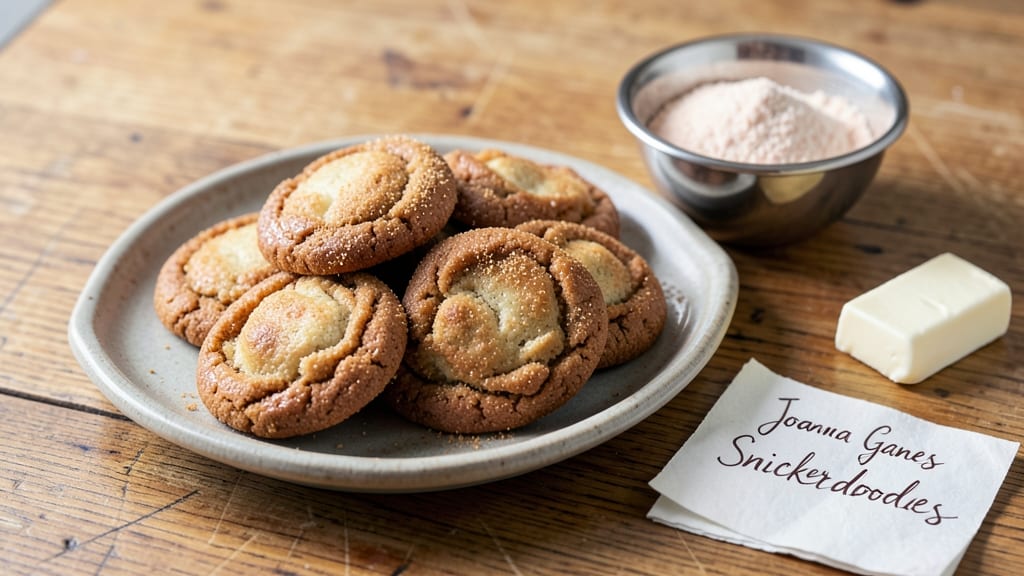
Joanna Gaines' snickerdoodle cookie recipe delivers that perfect balance of soft, pillowy centers and crisp cinnamon-sugar edges we all crave. The secret lies in precise measurements and a gentle bake—no guesswork, just foolproof results every time.
I’ve baked these dozens of times, and they never disappoint, especially when warm from the oven.
What makes these snickerdoodles stand out is the cinnamon-sugar coating, which needs to be rolled just right—too much and they’ll be sticky, too little and they’ll lack that signature crunch. The dough itself is simple: cream cheese adds richness, while brown sugar ensures a deep caramel flavor.
Baking at 350°F for 12 minutes guarantees a tender interior with perfectly set edges.
Imagine pulling a tray of golden cookies from the oven, their edges dusted with cinnamon-sugar that crackles with every bite. The aroma alone will have your whole kitchen smelling like a cozy farmhouse bakery.
These cookies stay soft for days, making them ideal for gifting or stashing in jars for quick treats.
For a twist, try swapping half the all-purpose flour for almond flour or using gluten-free flour blends—just reduce the leavening slightly. The key is patience in rolling the dough balls and resisting the urge to overbake. Let’s get to work—your kitchen (and taste buds) will thank you.
Ingredients for joanna gaines snickerdoodle cookie
Cream cheese, butter, and two sugars—simple ingredients for Joanna Gaines' iconic snickerdoodles.
| Ingredient | Amount | Notes |
|---|---|---|
| Unsalted Butter 🧈 | 1 cup | Softened to room temperature |
| Cream Cheese 🧀 | 8 oz | Full-fat for richness |
| Granulated Sugar 🍚 | ½ cup | For sweetness balance |
| Packed Brown Sugar 🍯 | ¾ cup | Deep caramel flavor |
| Large Eggs 🥚 | 2 whole | Room temperature preferred |
| All-Purpose Flour 🌾 | 2 ½ cups | Sifted for light texture |
| Baking Powder 🍞 | 2 tsp | Diamond Crystal preferred |
| Ground Cinnamon 🌿 | 2 tsp | Freshly ground for warmth |
| Salt 🧂 | ½ tsp | Fine sea salt preferred |
| Granulated Sugar 🍚 | ½ cup | For cinnamon-sugar coating |
| Ground Cinnamon 🌿 | 2 tbsp | For cinnamon-sugar coating |
The cream cheese is non-negotiable here—it’s what gives these cookies that signature tender crumb. Philadelphia brand is my go-to, but any full-fat works. The butter should be softened to room temperature (about 65°F), not melted. If your kitchen runs warm, chill the dough for 30 minutes before rolling. For the sugars, light brown sugar adds moisture and chew, while the granulated keeps the edges crisp. I always grab Domino or King Arthur flour for baking—consistent quality matters. Pro tip: Sift the dry ingredients together to avoid dense cookies.
No cream cheese? Substitute with 4 oz softened cream cheese plus 4 oz regular butter—it won’t be identical, but close. Short on brown sugar? White sugar plus 1 tsp molasses mimics the flavor. The cinnamon-sugar coating is where magic happens—too much and they’ll be sticky, too little and they’ll lack crunch. I like to mix the coating in a small bowl and roll the dough balls in it, then place them on a parchment-lined tray. For a gluten-free twist, swap half the all-purpose flour for Bob’s Red Mill 1:1 gluten-free blend and reduce baking powder to 1.5 tsp.
These cookies stay soft for 5-6 days if stored in an airtight container with parchment between layers. For longer storage, freeze the dough balls (uncoated) for up to 3 months
Why You'll Love This Recipe
- No Cream Cheese Waste: I swear by this trick—adding cream cheese to the dough means no extra steps, no extra bowls, and way more tender cookies. The butter-cream cheese combo keeps them soft in the center, and honestly? I never have to toss out half a block again.
- Cinnamon-Sugar Magic: That classic snickerdoodle tang is next-level here. The brown sugar caramelizes just enough to balance the cinnamon, and the cream cheese gives it this buttery richness that makes you want to dunk it in milk immediately. (Yes, even on a Tuesday night.)
- Party-Proof Portions: These bake up perfectly large—big enough to impress guests but small enough to grab and go. I’ve used them for teacher gifts, holiday platters, and even packed them in lunchboxes. They freeze beautifully too, so you’re always covered.
- Budget-Friendly Batch: With just five pantry staples, this recipe stretches further than most. The cream cheese adds luxury without breaking the bank, and the sugar-butter ratio means you can halve it for a small batch or double it for a crowd. My go-to for when I need cookies fast.
Step-by-step instructions for Joanna Gaines' snickerdoodle cookies
Here's how to create the perfect balance of chewy centers and crispy edges with that signature cinnamon-sugar crunch.
Cream the Butter and Cream Cheese Together
In a stand mixer fitted with the paddle attachment, combine the 1 cup unsalted butter and 8 oz cream cheese on medium speed for 3-4 minutes. You want to see the mixture lighten in color and become fluffy—this incorporates air that will create those beautiful crackly tops. The cream cheese adds richness that sets these apart from classic snickerdoodles.
I like to press the butter gently with my fingers first to ensure it's fully softened before mixing. If any lumps remain, increase the speed to high for 10 seconds to fully emulsify. This step is crucial—under-creaming leads to dense cookies instead of the tender, chewy texture we want.
Add Sugars and Eggs for Structure
Reduce the mixer speed to low and gradually add the 0.5 cup granulated sugar and 0.75 cup packed brown sugar. Mix for 1 minute until fully combined—you should see the sugars dissolve completely into the butter mixture. The brown sugar adds moisture and deep caramel notes that complement the cinnamon.
Add the 2 whole large eggs, one at a time, mixing just until each is fully incorporated. Scrape down the sides of the bowl to ensure even distribution. The eggs provide structure while keeping the cookies tender. Here's the thing—don't overmix after adding the eggs. Just until combined prevents gluten development that would make the cookies tough.
Incorporate Dry Ingredients for Light Texture
In a separate bowl, whisk together the 2.5 cups all-purpose flour, 2 teaspoons baking powder, 2 teaspoons ground cinnamon, and 0.5 teaspoon salt. Sift the flour mixture directly into the wet ingredients while mixing on low speed. This prevents gluten formation and creates a lighter texture. Mix just until the dry ingredients disappear—about 20-30 seconds—then stop immediately.
Real talk: Overmixing develops gluten, which makes cookies cakey instead of chewy. You'll know it's perfect when a few flour streaks remain. The baking powder ensures a tender crumb, while the cinnamon infuses the dough with warm spice. This is where the magic happens for that signature snickerdoodle flavor profile.
Prepare the Cinnamon-Sugar Coating
In a small bowl, combine the 0.5 cup granulated sugar and 2 tablespoons ground cinnamon for the classic cinnamon-sugar coating. This mixture should be fine and evenly distributed—no clumps. The sugar helps create the crispy exterior while the cinnamon delivers that warm, comforting aroma we all love.
Divide the dough into 4 equal portions and roll each into a log about 1.5 inches in diameter. Wrap each log tightly in plastic wrap and refrigerate for at least 1 hour or up to 24 hours. Chilling firms up the butter, preventing excessive spreading in the oven and ensuring those beautiful crackly tops we're after.
Roll and Bake to Golden Perfection
Preheat your oven to 350°F and line two baking sheets with parchment paper. Working with one log at a time, unwrap and roll it in the cinnamon-sugar mixture until fully coated. Place the coated logs on the prepared baking sheets, spacing them 2 inches apart. Bake for 11-13 minutes until the edges are golden brown but the centers still look slightly underdone.
Here's where it gets fun—the cookies will continue cooking on the hot pan after you remove them. Let them cool on the baking sheet for 5 minutes before transferring to a wire rack. The residual heat helps set the cinnamon-sugar coating while keeping the centers soft and chewy. Serve warm for the ultimate experience—each bite delivers that perfect balance of crispy, chewy, and cinnamon-sugar crunch.
Pro Tips For Making Joanna Gaines Snickerdoodle Cookie
- Cream Cheese First: DESCRIPTION: Mix the softened cream cheese into the butter before adding any sugars—this prevents grainy lumps and ensures a smoother dough. I learned this the hard way after scraping out clumps from my first batch (yes, even with a stand mixer).
- Chill the Dough: DESCRIPTION: Wrap the dough in plastic and refrigerate for at least 2 hours—this stops spreading and gives you time to roll and cut without chaos. I used to skip it and ended up with pancake-sized cookies (not ideal for snacking).
- Use Room-Temp Eggs: DESCRIPTION: Let the eggs sit out for 30 minutes before mixing—they blend in better and avoid pockets of raw egg in the center. Cold eggs make the dough fight you, and no one wants to troubleshoot that mid-roll.
- Bake in Batches: DESCRIPTION: Crowd the pan, but don’t overdo it—12 cookies per sheet max, with 1 inch between them. Joanna’s recipe is rich, so they spread fast; underbake slightly (4-5 minutes less than the recipe says) and finish with a broiler for crisp edges.
Essential equipment for joanna gaines snickerdoodle cookie
Stand Mixer Must-Have
Your KitchenAid Artisan Series stand mixer is the workhorse for these snickerdoodles. The paddle attachment creates that signature fluffy, airy texture by incorporating air into the butter and cream cheese mixture. I use mine on medium speed for 3-4 minutes—any less and the cookies may turn out dense.
The 5-quart bowl gives you room to mix all ingredients without spillage, which is crucial when handling sticky dough. For budget-friendly options, the Cuisinart PowerPremier delivers similar performance at a lower price point.
Measuring Tools
Precision matters with these cookies, so invest in a digital kitchen scale (like the OXO Good Grips) for accurate measurements of flour and sugars. The recipe calls for 2.5 cups flour, but a scale ensures consistency—especially when substituting gluten-free blends.
For sugars, use a clear glass measuring cup to pack the brown sugar firmly. A microplane for grated lemon zest (optional) or a fine-mesh sieve for sifting cinnamon-sugar coating completes the essentials.
Baking Sheets
Heavy-duty half-sheet pans (like Wilton Premium) are my go-to for even heat distribution. Line them with parchment paper to prevent sticking and ensure easy release. For crispier edges, I use two baking sheets at once—this prevents overcrowding, which leads to uneven baking.
Avoid dark-colored pans; they absorb heat and can burn the bottoms of your cookies. If you only have light-colored sheets, reduce the oven temperature by 10°F to compensate.
Dough Tools
A bench scraper (like OXO Good Grips) helps divide the dough into equal portions without sticking. For rolling the logs, I use a 12-inch silicone rolling pin—it’s gentle on dough and easy to clean.
A small offset spatula comes in handy for transferring coated dough balls to the baking sheet without smudging the cinnamon-sugar. For portioning, a cookie scoop (like Nordic Ware) ensures uniform-sized logs, which bake evenly.
Storage Solutions
An airtight container with parchment paper between layers keeps these cookies soft for 5-6 days. I use Glasslock containers because they’re stackable and microwave-safe. For freezing, quart-sized freezer bags (like Ziploc) work best—squeeze out excess air to prevent freezer burn.
Label with the date to track freshness. A wire cooling rack is essential for even cooling after baking; I prefer the OXO Good Grips design with non-slip feet.
Nutrition facts
Frequently asked questions
Why does Joanna Gaines' recipe use cream cheese?
The cream cheese creates a tender, rich texture that sets these apart from classic snickerdoodles. It adds moisture and a subtle tang that balances the sweetness, while also preventing the cookies from becoming too cakey. The butter-cream cheese combo is what gives them that signature pillowy center.
Can I make these cookies without a stand mixer?
Use a hand mixer or even a sturdy wooden spoon to cream the butter and cream cheese for 3-4 minutes until light and fluffy. Just be patient—you'll need to work a bit harder to incorporate air. The key is achieving that same airy texture for perfect crackly tops.
How do I fix cookies that spread too much?
If your cookies spread excessively, your dough was likely too warm. Chill the dough logs for at least 1 hour before baking, and use 350°F oven temperature. For next time, make sure your butter is softened but not melted, and avoid overmixing the dough. Pre-measure everything and work quickly to keep ingredients cool.
What's the best way to store these cookies?
Keep them soft for 5-6 days by storing in an airtight container with parchment paper between layers. For longer storage, freeze the uncoated dough logs for up to 3 months. Bake straight from frozen, adding 2-3 extra minutes at 350°F. The warm-from-oven flavor is unbeatable!
Can I make these gluten-free?
Yes! Swap half the all-purpose flour for a 1:1 gluten-free blend (like Bob's Red Mill) and reduce baking powder to 1.5 teaspoons. The texture will be slightly denser, but still delicious. Just make sure your blend contains xanthan gum for proper structure. These work great for dietary restrictions while keeping the classic flavor.