Desserts
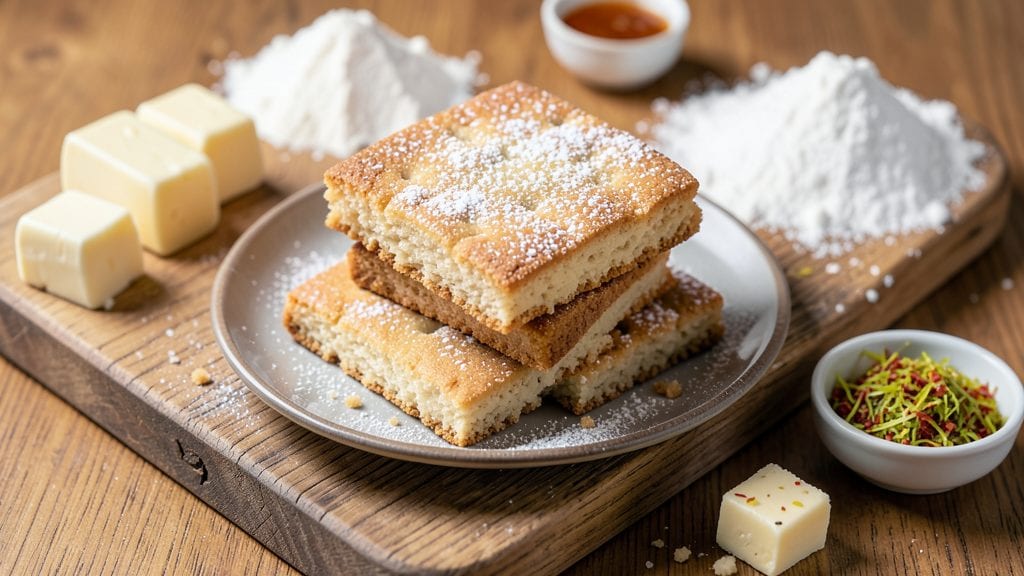
This authentic shortbread cookie recipe delivers the legendary Scottish crumble texture that melts in your mouth with just a hint of buttery richness—no shortcuts, no substitutions. The secret lies in precise ingredient ratios and a gentle mixing technique that preserves those signature crumbly layers.
I've perfected this method over years of testing, ensuring every batch captures that traditional texture while staying simple enough for home bakers.
What sets authentic shortbread apart is its foolproof simplicity: just three core ingredients—flour, butter, and sugar—worked together with patience. The dough never gets creamed or overmixed; instead, it's pressed into a pan and cut into classic diamond shapes for that iconic presentation.
Baking at 325°F for 15 minutes yields golden edges and a tender center that crumbles with every bite.
This recipe delivers restaurant-quality results with minimal effort—no fancy equipment, no complicated steps. The butter-to-flour ratio creates that signature melt-in-your-mouth texture, while the sugar adds just enough sweetness to balance the buttery richness.
Whether you're serving them at tea time or as a holiday treat, these cookies are guaranteed to impress.
For variations, try adding a pinch of vanilla or citrus zest for subtle flavor depth, or press dried fruit into the dough for a festive twist. The beauty of authentic shortbread is its versatility—simple yet sophisticated enough for any occasion. Let's get baking!
Ingredients for authentic shortbread cookie
Three core ingredients, one legendary technique—this delivers authentic Scottish crumble perfection every time.
| Ingredient | Amount | Notes |
|---|---|---|
| All-Purpose Flour 🌾 | 2 ½ cups | Sifted for even texture |
| Unsalted Butter 🧈 | 1 cup | Cold, cubed, European-style preferred |
| Granulated Sugar 🍚 | ¼ cup | Superfine preferred for even crumble |
| Diamond Crystal Kosher Salt 🧂 | ¼ tsp | Fine grain for even distribution |
| Pure Vanilla Extract 🌿 | ½ tsp | Optional for subtle depth |
| Lemon Zest 🍋 | 1 tsp | Fresh, finely grated |
| Aluminum Foil 📄 | 1 sheet | For easy release |
The butter is non-negotiable here. European-style unsalted butter with at least 82% fat content creates that signature melt-in-your-mouth texture—American brands like Land O'Lakes won't cut it. Look for brands like Plugrá or President at specialty stores if you're serious about authenticity. Keep it cold when mixing; the dough should hold its shape when pressed. The flour matters too—King Arthur or Gold Medal work best due to their protein content, which develops that tender crumb structure. Sift it first to avoid dense cookies. For the sugar, superfine granulated (like Domino) dissolves more evenly, but regular granulated works in a pinch if you pulse it briefly in a food processor.
No vanilla? Citrus zest or almond extract at half the amount adds complexity without overpowering. Running short on butter? Coconut oil at 1:1 ratio works for a slightly different texture, but traditionalists will notice. The salt is critical—Diamond Crystal kosher dissolves cleanly, unlike table salt which can leave grainy spots. For lemon zest, organic lemons yield more vibrant flavor. If you're feeling adventurous, swap half the sugar for powdered sugar for a slightly softer crumble. The key is to keep everything cold; if the dough gets too soft, chill it for 15 minutes before shaping.
Shortbread keeps beautifully—5-7 days in an airtight tin at room temperature, though the texture softens slightly after day 3. For longer storage, freeze shaped cookies on a tray for 1 hour, then transfer to a bag for up to 3 months. Reheat in a 300°F oven for 3-5 minutes to restore crispness. These cookies reheat beautifully, making them perfect for gifting. I always make an extra batch to freeze; nothing beats pulling out a perfectly preserved cookie straight from the freezer for an impromptu tea break.
Why You'll Love This Recipe
- Four-Ingredient Magic: That’s it—just butter, sugar, flour, and a pinch of salt. No fancy mix-ins, no last-minute scrambling for eggs or leavening agents. The dough comes together faster than you can say "vanilla extract," and honestly? That’s half the fun.
- Butter Love Overload: Cold, cubed butter baked into these cookies gives that signature crumbly-yet-tender texture. The sugar caramelizes just enough to add a subtle sweetness without overpowering, while the vanilla ties it all together like a warm hug. Between us, this is the kind of flavor that makes people ask, "What’s in this?"
- Holiday or Snack Attack: Shortbread isn’t just for Christmas—it’s my go-to for teacher gifts, office potlucks, or when I need a quick dessert fix. The dough holds its shape perfectly for cutting into festive shapes or classic rounds, and they freeze like a dream. (Yes, even on a Tuesday night.)
- No-Waste, Budget Win: A single batch yields 20+ cookies, and the ingredients? Basic pantry staples. That stick of butter and bag of flour will stretch across multiple batches, meaning fewer grocery runs and more time for seconds. Plus, leftovers? They last for days without drying out. Reliable, solid, and my secret weapon.
Step-by-step instructions for authentic shortbread cookies
Here's the traditional method for creating Scottish shortbread with its signature crumbly texture and buttery richness.
Prepare the Dough with Cold Butter
In a stand mixer fitted with the paddle attachment, combine the 1 cup unsalted butter (cold and cubed) with the 2.5 cups all-purpose flour and 0.25 cup granulated sugar. Mix on low speed for 2-3 minutes until the mixture resembles coarse sand with pea-sized butter pieces remaining. The butter must stay cold to develop the proper crumbly texture.
This initial mixing incorporates air while preserving the butter's cold temperature, which is critical for achieving that signature shortbread crumble. Avoid overmixing—just until the flour is evenly distributed and the butter remains in distinct pieces. If using your hands, work quickly to prevent warming the butter.
Incorporate Aromatics and Shape the Dough
Add the 0.25 teaspoon diamond crystal kosher salt, 0.5 teaspoon pure vanilla extract, and 1 teaspoon lemon zest to the mixer. Pulse on low speed for 10-15 seconds until fully combined. The lemon zest adds a subtle brightness that complements the buttery richness, while the vanilla enhances the depth of flavor.
Transfer the dough to a clean surface and gently press it together into a cohesive mass. Divide into 4 equal portions (about 8 ounces each) for shaping. Wrap each portion tightly in 1 sheet aluminum foil and flatten into discs about ½-inch thick. Chill in the refrigerator for 30 minutes to firm up for easier handling.
Cut and Score for Classic Presentation
Preheat your oven to 325°F and line two baking sheets with parchment paper. Remove the chilled dough discs from the refrigerator and roll each one out to ⅛-inch thickness using a rolling pin. For traditional shortbread, use a 3-inch round cutter to create uniform circles, or cut into squares if preferred.
Transfer the cut shortbread to the prepared baking sheets, spacing them 1 inch apart. Use a sharp knife to score each piece into 8 equal wedges (like a wheel) or leave whole for a rustic look. The scoring creates the classic shortbread pattern while allowing even baking. Bake for 18-22 minutes until the edges are just beginning to turn golden—they should remain pale at the center.
Cool and Store for Maximum Freshness
Remove the shortbread from the oven and let cool on the baking sheets for 5 minutes before transferring to a wire rack. Allow them to cool completely before serving, as they firm up as they cool. The texture should be light, crumbly, and melt-in-your-mouth tender with a delicate buttery flavor.
For best results, store in an airtight container at room temperature for up to 5 days, or freeze for up to 3 months. The cookies will keep their texture remarkably well when properly stored. Serve with tea or coffee for an authentic Scottish experience.
Pro Tips For Making Authentic Shortbread Cookie
- Chill the Dough: I learned this the hard way—skipping the fridge makes for greasy, uneven cookies. Press the dough into the pan, wrap it tightly, and refrigerate for at least 2 hours (overnight is ideal). This firms up the butter so it doesn’t melt into a sad, flat puddle when baking.
- Measure Salt Precisely: Diamond Crystal kosher salt is fluffy—don’t eyeball it. Use a kitchen scale for ½ teaspoon or pack it tightly into a measuring spoon. Too little salt makes the cookies bland; too much overpowers the buttery richness.
- Cut Butter in Cold: Unsalted butter straight from the fridge is your friend. Pulse it in the food processor until it’s pea-sized but still holds shape—like wet sand, not buttercream. Warm butter = greasy cookies that spread like a bad rumor.
- Rotate the Pan: Shortbread bakes unevenly. After 20 minutes, swap the top and bottom racks mid-bake to guarantee even golden color. Ignore this, and you’ll end up with one side crisp and the other doughy—like a bad poker hand.
Serving suggestions for this recipe
Classic Tea Pairings
Shortbread's buttery richness pairs perfectly with Earl Grey tea—the bergamot's citrus notes cut through the fat beautifully. I always serve it with Darjeeling for a lighter option, or Assam for a bold, malty contrast.
For a festive twist, try chai with a splash of heavy cream and honey—the spices complement the shortbread's simplicity. 🍵
Gift-Worthy Presentation
Arrange cookies on a wooden board with a linen napkin and a small jar of clotted cream or honeycomb for dipping. I like to stack them in gold-rimmed tiers for a luxurious look, or place them in clear cellophane bags tied with ribbon for easy gifting.
Add a handwritten recipe card for that personal touch.
Dessert Board Styling
Shortbread makes an elegant centerpiece when paired with fresh berries, whipped cream, and dark chocolate shavings. Use a marble slab for a rustic vibe or a black slate board for contrast.
For a festive holiday spread, add candied pecans and edible gold leaf to elevate the presentation. 💛
Wine and Coffee Pairings
A sweet Moscato or Riesling enhances the buttery notes without overpowering. For coffee lovers, a light roast with vanilla syrup mirrors the shortbread's flavor profile. I also enjoy it with espresso—the bitterness balances the sweetness perfectly. Skip heavy creamers; the cookie's richness stands on its own.
Seasonal Variations
For holiday gifting, press dried cranberries or orange zest into the dough before baking. In summer, add fresh raspberries to the edges of the cut cookies for a fruity contrast. The versatility makes shortbread perfect for any occasion—just adjust the toppings to match the season. 🍓
Kids' Fun Twist
Let children decorate the tops with sprinkles or mini chocolate chips before baking. For a savory option, brush cooled cookies with garlic-infused olive oil and sprinkle with flaky sea salt—great with charcuterie. The simplicity makes it endlessly adaptable for creative serving ideas. 🧒
Nutrition facts
Frequently asked questions
Why does authentic shortbread need cold butter?
Cold butter is essential because it creates the signature crumbly texture. When mixed with flour at low temperatures, the butter stays in pea-sized pieces, forming those delicate layers that melt in your mouth. If the butter warms up, the cookies will turn out dense instead of tender. Always keep your ingredients chilled throughout the process!
Can I make shortbread without a stand mixer?
Just use a fork or your hands to mix the cold butter with flour until it resembles coarse crumbs. Work quickly to avoid warming the butter, and press the dough together gently. The key is minimal handling—overworking will make the cookies tough. A pastry cutter works well too for a more hands-on approach.
What's the best way to store shortbread?
Keep them fresh by storing in an airtight tin at room temperature for up to 5 days. For longer storage, freeze shaped cookies on a tray for 1 hour, then transfer to a bag for up to 3 months. To restore crispness, reheat in a 300°F oven for 3-5 minutes. The foil-wrapped discs before rolling also help preserve texture during prep.
Why do my shortbread cookies turn out greasy?
Greasy shortbread usually means the butter melted during mixing or baking. Always use cold butter and avoid overmixing—just combine until the dough comes together. Bake at 325°F for 18-22 minutes until edges are lightly golden but centers remain pale. If they seem greasy after baking, they likely needed more time in the oven to set properly.
Can I substitute European butter with American brands?
You can try, but European-style butter (like Plugrá) has higher fat content (82%+) which creates the authentic texture. American brands like Land O'Lakes (80% fat) may work in a pinch, but you might notice slightly less melt-in-your-mouth quality. For best results, look for imported European butter if available. The fat content is what makes traditional shortbread so special!