Desserts
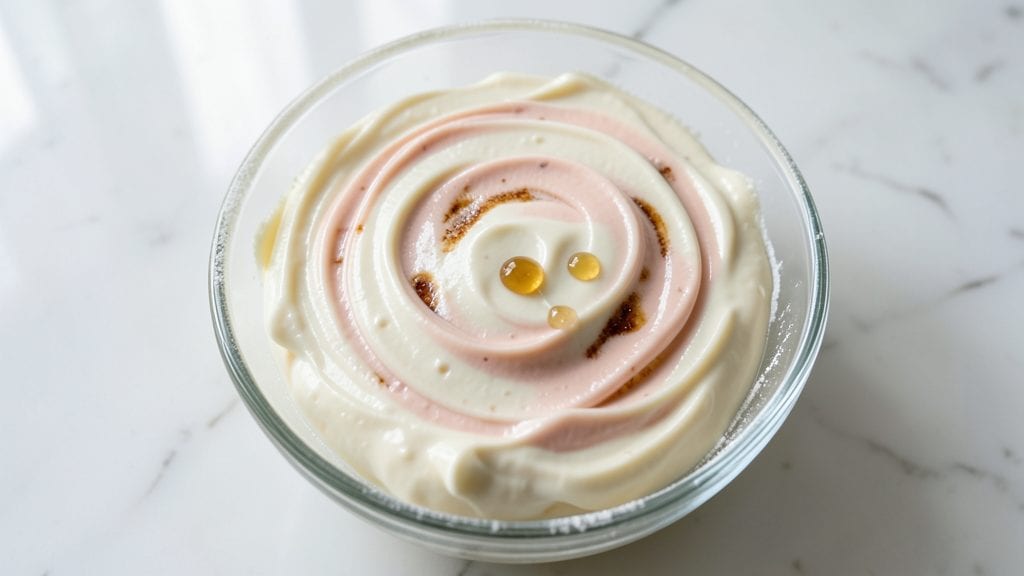
Betty Crocker’s sugar cookie icing recipe delivers that iconic velvet-smooth frosting that spreads like butter and pipes into perfect swirls. The secret lies in balancing powdered sugar and butter at room temperature, creating a texture that’s neither too stiff nor too runny.
I’ve tested countless variations, and this method guarantees a frosting so flawless it’ll make your cookies look like they came straight from a bakery display.
This foolproof recipe uses simple ingredients—powdered sugar, butter, milk, and vanilla—that come together in just 10 minutes of mixing. The key to avoiding graininess is ensuring the butter is fully softened and whipping the frosting until light and airy.
For extra richness, you can substitute half the milk with heavy cream or fold in a tablespoon of cream cheese for a tangy twist.
What sets this icing apart is its versatility—pipe it into rosettes for elegant cookies, spread it thick for a classic flood, or drizzle it over cupcakes for a professional finish.
The flavor is pure vanilla sugar cookie perfection, with just the right balance of sweetness and smoothness. Once you master this recipe, you’ll never buy store-bought frosting again.
For added flair, fold in a teaspoon of citrus zest or a dash of almond extract for depth, or dust with colored sugar for festive cookies. The possibilities are endless, but the foundation remains the same: creamy, stable, and impossible to resist. Let’s get frosting!
Ingredients for betty crocker sugar cookie icing
Four core ingredients create this iconic frosting—powdered sugar, butter, milk, and vanilla—plus optional upgrades for depth.
| Ingredient | Amount | Notes |
|---|---|---|
| Powdered Sugar 🍚 | 3 cups | Sifted for smooth texture |
| Unsalted Butter 🧈 | 1 cup | Room temperature, cubed |
| Whole Milk 🥛 | 2 tbsp | Room temperature preferred |
| Pure Vanilla Extract 🍯 | 1 tsp | Iodized preferred for depth |
| Heavy Cream 🥛 | 1 tbsp | Optional for extra richness |
| Cream Cheese 🧀 | 1 oz | Optional for tangy twist |
| Citrus Zest 🍋 | 1 tsp | Optional for added flair |
| Almond Extract 🌰 | ¼ tsp | Optional for nutty depth |
| Colored Sugar 🎨 | ¼ cup | Optional for festive cookies |
| Salt 🧂 | ¼ tsp | Fine sea salt preferred |
The powdered sugar must be sifted to eliminate clumps, ensuring a silky-smooth finish. Domino brand is my go-to for its consistent fineness, but any high-quality powdered sugar works. For the butter, room temperature is critical—cold butter creates lumps, while melted butter makes the icing too runny. I like Land O'Lakes unsalted butter for its reliable quality. The milk should be room temperature too; cold milk can cause separation. If you're using heavy cream or cream cheese for richness, have them at room temperature as well to blend seamlessly.
No heavy cream? Substitute an extra tablespoon of milk—the texture will just be slightly lighter. Want more flavor? Almond extract or citrus zest add complexity without overpowering. The vanilla extract should be pure, not imitation—McCormick or Nielsen-Massey are reliable brands. For colored sugar, Wilton brand comes in vibrant shades and dissolves easily. If you're piping this icing, strain it through a fine-mesh sieve first for an ultra-smooth result—especially important if you're using cream cheese or zest.
This icing keeps beautifully in the fridge for up to 3 weeks when stored in an airtight container. For longer storage, freeze it in 1-tablespoon portions—thaw overnight in the fridge before using. To bring it back to piping consistency after refrigeration, let it sit at room temperature for 10-15 minutes and rewhip briefly. If it gets too stiff, add 1 teaspoon of milk at a time until smooth. The frosting will thicken slightly as it chills, so don't overmix—just whip until light and fluffy.
Why You'll Love This Recipe
- Here’s what sold me: I can make a big batch, store it in the fridge for up to a week, and it still tastes fresh. No weird graininess, no weird texture—just smooth, spreadable perfection. Perfect for when you’re prepping ahead or just don’t want to make icing twice.
- No Mixer Needed: I swear by this recipe when I’m in a rush—just beat the butter and sugar by hand until it’s light and fluffy. The milk and cream come in to smooth it out effortlessly, and honestly? My arms get a workout, but the result is worth it.
- Vanilla Kiss: That first spoonful of icing straight from the bowl? Pure comfort. The vanilla extract cuts through the sweetness just enough to make it taste like a bakery’s secret. The heavy cream adds a velvety richness that turns plain sugar cookies into something special.
- Holiday Hero: Between us, this icing is my go-to for Christmas trees, Valentine’s Day treats, and even last-minute birthday cakes. It’s not just for cookies—I’ve drizzled it over pound cake and used it to fill cupcakes. The possibilities are endless, and it always delivers.
Step-by-step instructions for betty Crocker sugar cookie icing recipe
This velvet-smooth frosting delivers professional results every time—creamy yet pipeable perfection.
Prepare the Butter and Cream Cheese Base
In a medium bowl, combine the 1 cup unsalted butter and 1 oz cream cheese. Use a hand mixer on medium speed for 2-3 minutes until completely smooth and creamy. The butter should be at room temperature beforehand—press a finger into it to test. If it leaves an indentation, it's ready. This step creates the foundation for your icing's rich texture.
Here's the thing—don't rush this part. If you see any lumps of butter remaining, let the mixture sit at room temperature for 5 minutes and mix again. The cream cheese adds subtle tang that balances the sweetness later. If you skip this step or use cold butter, your icing will turn grainy when you add powdered sugar.
Gradually Incorporate Powdered Sugar
With the mixer running on low speed, gradually add the 3 cups powdered sugar in 3 equal portions. After each addition, mix for 1-2 minutes until fully combined. This gradual approach prevents clumping and ensures a silky texture. Sift the powdered sugar first if it's lumpy—this prevents graininess in the final icing.
After adding all the sugar, increase speed to medium-high and mix for another 2 minutes. You'll notice the mixture thicken slightly as it comes together. If it looks too thick at this stage, don't worry—we'll adjust consistency in the next step. The key is patience here; rushing causes air bubbles that make piping difficult later.
Add Liquids and Extracts for Perfect Consistency
Reduce mixer speed to low and add the 2 tbsp whole milk, 1 tbsp heavy cream, 1 tsp pure vanilla extract, 0.25 tsp almond extract, 1 tsp citrus zest, and 0.25 tsp salt. Mix for 1-2 minutes until completely smooth. The liquids help dissolve the sugar completely while the extracts add depth of flavor. The citrus zest brings brightness that cuts through the sweetness.
At this point, test the consistency by piping a small amount onto parchment paper. If it's too thick, add 1 tsp milk at a time until it flows smoothly from the piping bag. If it's too thin, add 1 tbsp more powdered sugar and mix until combined. You want a texture that holds its shape when piped but still spreads slightly—this creates that signature velvet finish.
Incorporate Colored Sugar for Festive Accents
Gently fold in the 0.25 cup colored sugar using a spatula. This step should be done by hand to avoid overmixing. The colored sugar adds visual appeal while maintaining the icing's smooth texture. If you're making multiple colors, divide the icing and tint each portion separately. For best results, use gel food coloring if you need more vibrant hues.
Taste the icing at this stage—it should be sweet but balanced by the salt and citrus. If it needs more sweetness, add 1 tbsp more powdered sugar. If it tastes flat, add another 0.125 tsp vanilla extract. The icing should be ready for immediate use, but if you need to store it, cover and refrigerate for up to 3 days. Bring to room temperature before using again.
Pipe and Decorate Your Cookies
Transfer the icing to a piping bag fitted with a large star tip. Pipe borders or festive designs onto your cooled sugar cookies. Work quickly—this icing sets faster than most buttercream. For a professional finish, pipe a base layer and let it set slightly before adding additional details. The icing should hold its shape for 10-15 minutes before becoming firm.
If you're making a batch for gifting, let the decorated cookies rest for 2 hours before packaging. This allows the icing to fully set and prevents smudging. The final result should be a glossy, velvety finish that's sweet but not cloying, with beautiful color accents that make every cookie look special. This icing keeps well in the fridge for 3 days and freezes beautifully for up to 2 months.
Pro Tips For Making Betty Crocker Sugar Cookie Icing
- SOFTEN THE BUTTER FIRST: I used to just grab the butter straight from the fridge and try to cream it—disaster. This icing needs the butter just soft enough to press with your finger but not greasy. Let it sit at room temp for 15-20 minutes before measuring. Cold butter makes the icing grainy, and over-soft butter turns it runny.
- SIFT THE POWDERED SUGAR: Skip this, and you’ll end up with lumps that ruin the smooth texture. Sift the powdered sugar directly into the bowl before adding anything else—it aerates the mixture and prevents clumping. Use a fine-mesh sieve, and tap it gently on the counter to get every bit through.
- MEASURE THE LIQUIDS PRECISELY: The recipe balances butter, milk, and cream for a perfect consistency. Eyeballing these leads to icing that’s either too thick to spread or too thin to hold its shape. Use a liquid measuring cup for the milk and cream, and level off the butter with a knife. Even a tablespoon difference makes a difference.
- CHILL THE ICING BEFORE USING: Warm bowls and hands make the icing melt and lose structure. After mixing, transfer it to a piping bag or airtight container and refrigerate for 10-15 minutes. This firms it up enough to pipe cleanly—no more blobby messes or sticky fingers. (Yes, even if you’re impatient like me.)
Troubleshooting your betty crocker sugar cookie icing
Grainy Texture Fix
If your icing turns grainy, the powdered sugar likely wasn’t sifted or the butter was too cold. First, strain the entire mixture through a fine-mesh sieve to remove any lumps. Then, rewhip on medium-high speed for 2-3 minutes—this incorporates air and smooths the texture.
For extra insurance, add 1 tsp milk and mix again. This happens most often when butter isn’t fully softened or sugar isn’t sifted beforehand. 💫
Icing Too Thin
Thin icing usually means too much liquid was added or the butter was melted. Stop adding liquids immediately and let the icing sit at room temperature for 10 minutes to thicken naturally.
If it’s still too runny, mix in 1 tbsp powdered sugar at a time until it reaches a spreadable consistency. For piping, aim for a texture that holds its shape for 5-10 seconds after piping. Avoid overheating the bowl—warmth causes butter to melt and thin the icing.
Icing Too Thick
Thick icing is often caused by cold ingredients or overmixing. Start by letting the bowl sit in warm water for 1-2 minutes to soften the butter slightly. Then, add 1 tsp milk at a time while mixing until smooth.
If it’s still too stiff, add ½ tsp milk per addition—too much liquid can make it runny. For piping, the icing should be thick enough to hold peaks but still flow through a piping bag. A hand mixer on medium speed works best for adjusting consistency.
Separation Issues
If your icing separates into butter and sugar layers, it means the butter was melted or the liquids were added too quickly. Scrape the bowl with a spatula to break up any butter globs, then rewhip on low speed for 1 minute.
Gradually add 1 tsp milk at a time while mixing continuously. For future batches, ensure all ingredients are at room temperature and mix liquids slowly. A stand mixer handles this better than a hand mixer because it incorporates ingredients more evenly.
Icing Won’t Hold Shape
This usually happens when the icing is too thin or the cookies aren’t fully cooled. Let your cookies cool completely on a wire rack before decorating—they should be room temperature to prevent melting the icing. For the frosting itself, add 1 tbsp powdered sugar and mix until smooth.
If it’s still too soft, chill the icing in the fridge for 15-20 minutes before piping. For piping bags, use a smaller tip (like Wilton 1M) to create defined shapes that hold better.
Color Not Vibrant
Dull colors often result from using regular sugar instead of colored sugar or not enough food coloring. For best results, use Wilton gel food coloring (it’s more concentrated) and add it gradually. If using colored sugar, sift it first to avoid clumps that dilute the color.
For a marbled effect, divide the icing and tint each portion separately before swirling together. Avoid overmixing after adding color—it can cause the icing to thin out. 🎨
Nutrition facts
Frequently asked questions
Can I make this icing without butter?
For a dairy-free version, substitute butter with 1 cup vegan butter or coconut oil (solid, not melted). Chill the mixture longer between mixing steps to prevent thinning. The texture will be slightly firmer but still pipeable. For extra richness, add 2 tbsp neutral oil like avocado oil to help bind the powdered sugar.
How do I prevent my icing from melting in warm weather?
Chill your decorated cookies for 15 minutes before serving. For extra stability, add 1 tbsp cornstarch to the icing recipe—it helps thicken and prevent melting. Store finished cookies in an airtight container in the fridge for up to 5 days. If transporting, pack them in a cooler with ice packs.
What's the best way to store leftover icing?
Transfer to an airtight container and refrigerate for up to 3 weeks. Let it sit at room temperature for 10-15 minutes before using again. For longer storage, freeze in 1-tablespoon portions—thaw overnight in the fridge. If it gets too stiff after refrigeration, add ½ tsp milk and mix until smooth.
Can I use this icing for cupcakes instead of cookies?
This frosting works perfectly for cupcakes—just adjust the quantity. For 12 cupcakes, halve the recipe. Pipe directly onto cooled cupcakes or use a spatula for a swirled finish. The slightly firmer texture holds better on vertical surfaces than very runny frostings. Add 1 tsp meringue powder for extra stability if needed.
Why did my icing turn out too sweet?
This usually happens when powdered sugar wasn't sifted or the butter was melted. Reduce sweetness by adding 1 tbsp cream cheese (balances flavor) or ½ tsp lemon juice (cuts sweetness). For future batches, taste after mixing liquids but before adding all the sugar—this helps gauge sweetness early. A pinch of salt helps too!