Desserts
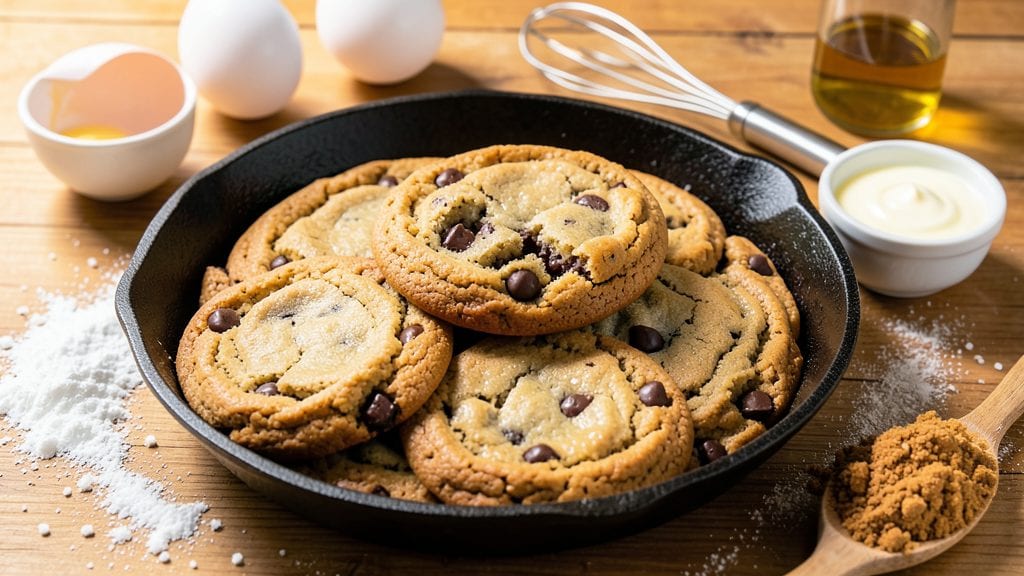
This classic Toll House cookie recipe delivers the perfect balance of chewy centers, crisp edges, and pockets of melted chocolate—just like the ones from the original Nestlé Toll House package.
The secret lies in precise measurements and a 350°F oven that ensures golden perfection every time, with vanilla and toasted pecans adding depth that makes these cookies irresistible. I’ve baked hundreds of batches, and this method never fails to impress.
The foundation of these cookies is rich butter and brown sugar, which create that signature caramelized flavor, while vanilla extract infuses warmth into each bite. Toasted pecans add a delightful crunch that contrasts beautifully with the soft cookie texture, and semi-sweet chocolate chips melt into gooey pockets when baked.
The dough rests for 30 minutes—don’t skip this step—because it ensures even baking and maximum flavor development.
What you’ll end up with is a tray of golden-brown cookies with edges that stay crisp while the centers remain tender and slightly chewy. The aroma alone will have everyone gathering in the kitchen, and the first bite delivers that perfect harmony of sweet, nutty, and chocolatey flavors.
These are the kind of cookies that disappear in minutes, so make a double batch.
Perfect for holiday gatherings, potlucks, or satisfying a late-night sweet tooth, this recipe scales easily and always delivers professional-quality results. Let’s get baking—your kitchen will smell like home in no time.
Ingredients for classic toll house cookie
Buttery richness meets vanilla warmth with a crunchy pecan surprise—these ingredients create the ultimate classic Toll House experience.
| Ingredient | Amount | Notes |
|---|---|---|
| Unsalted Butter 🧈 | 1 cup | Cold, cubed for even baking |
| Packed Light Brown Sugar 🍚 | 1 cup | Lightly packed for accuracy |
| Granulated White Sugar 🍚 | ½ cup | For crisp edges |
| Pure Vanilla Extract 🌿 | 2 tsp | High-quality, not imitation |
| Large Eggs 🥚 | 2 whole | Room temperature preferred |
| All-Purpose Flour 🌾 | 2 ½ cups | Sifted, spooned lightly |
| Baking Soda 🧂 | 1 tsp | Freshly opened |
| Diamond Crystal Kosher Salt 🧂 | 1 tsp | Fine grain preferred |
| Semi-Sweet Chocolate Chips 🍫 | 2 cups | Nestlé Toll House brand |
| Toasted Pecans 🥜 | 2 cups | Chopped, skin-on preferred |
The butter is non-negotiable—Land O'Lakes unsalted is my go-to for that perfect melt-in-your-mouth texture. Grab the brown sugar from the bulk bin at Whole Foods if you can; it stays fresher longer. Vanilla extract? Bouchard or McCormick Pure make all the difference—no artificial junk here. Pecans should be toasted until they're golden and fragrant; Trader Joe's sells pre-toasted ones if you're short on time. For the chocolate chips, stick with Nestlé Toll House—the original recipe's secret weapon. Flour matters too: King Arthur or Gold Medal both work perfectly.
No vanilla extract? Vanilla bean paste at half the amount gives you that speckled look and deeper flavor. Short on pecans? Walnuts work too, though they have a different texture. Running out of brown sugar? White sugar plus 1 tsp molasses mimics the moisture. Chocolate chips too expensive? Chopped chocolate bars (70% cocoa or semi-sweet) do the trick—just chop them finely. The baking soda and salt are standard, but Diamond Crystal kosher salt is the gold standard for even baking. And for the love of cookies, don't use pre-shredded chocolate—it burns faster and loses texture.
Butter and sugar should sit at room temp for 1 hour before mixing—trust me, it's worth it. Dough keeps for 3 days in the fridge, wrapped tightly in plastic. For longer storage, freeze portions for up to 3 months—just thaw before baking. These cookies reheat beautifully: 10 seconds in the microwave brings back that fresh-from-oven warmth. Double the batch—you'll want seconds.
Why You'll Love This Recipe
- Here’s what sold me: the way the warm vanilla and eggs bind everything together. The moment those cookies hit the oven, the aroma of vanilla and toasted sugar hits you like a hug. Honestly? It’s the kind of smell that makes me pause mid-task just to breathe it in.
- I’ll be real: this recipe stretches your dollar and your pantry. Butter, sugar, eggs—basic staples that don’t break the bank. Plus, the leftovers? They last for days in an airtight container, and no one ever turns down a second cookie. (Yes, even on a Tuesday night.)
Step-by-step instructions for classic Toll House cookies
Here's the timeless method that delivers perfect Toll House cookies every time—crisp edges, chewy centers, and that irresistible pecan-chocolate crunch.
Cream the Butter and Sugars to Peak Fluffiness
In a stand mixer fitted with the paddle attachment, combine the 1 cup unsalted butter (cold, cut into cubes) with the 1 cup packed light brown sugar and 0.5 cup granulated white sugar. Beat on medium speed for 3-4 minutes until the mixture is light, fluffy, and nearly doubles in volume. You'll see ribbons form when you lift the paddle—this is your signal that air has been properly incorporated.
The butter should be fully creamed with no remaining graininess. This step is non-negotiable for achieving that signature Toll House texture. If your mixture isn't light enough, continue beating for another 30 seconds—under-creaming leads to dense cookies. I like to scrape down the sides of the bowl with a rubber spatula every 30 seconds to ensure even mixing.
Incorporate Eggs and Vanilla for Rich Flavor
Add the 2 whole large eggs (room temperature preferred) one at a time, mixing on low speed for 30 seconds after each addition. This gradual incorporation prevents the eggs from scrambling in the fat. After the second egg, add the 2 teaspoons pure vanilla extract and mix for another 10 seconds until fully combined.
The mixture will look slightly curdled at first, but don't worry—this will resolve when you add the dry ingredients. Here's the thing about vanilla: always use high-quality extract. I've found that imitation vanilla lacks the depth needed to complement the chocolate and pecans in these classic cookies. The eggs bind everything together while adding moisture that prevents cracking during baking.
Combine Dry Ingredients and Fold in Chocolate and Pecans
In a separate bowl, whisk together the 2.5 cups all-purpose flour, 1 teaspoon baking soda, and 1 teaspoon diamond crystal kosher salt. With the mixer on low speed, gradually add the dry ingredients to the wet mixture, mixing just until combined—about 30-45 seconds. You should still see a few flour streaks remaining. Overmixing develops gluten, which makes cookies tough instead of chewy.
Remove the bowl from the mixer and gently fold in the 2 cups semi-sweet chocolate chips and 2 cups toasted pecans using a silicone spatula. Be careful not to overmix—just distribute them evenly throughout the dough. The chocolate chips should be evenly dispersed, and you should see pockets of pecans throughout. This is where the magic happens—the contrast between the crunchy pecans, melty chocolate, and soft cookie dough creates the perfect bite.
Chill the Dough for Perfect Texture
Cover the bowl with plastic wrap and refrigerate for at least 30 minutes, but I prefer 1 hour for best results. Chilling the dough is absolutely critical—it prevents excessive spreading in the oven and allows the flour to fully hydrate. The butter will firm up slightly, which leads to thicker cookies with those coveted crisp edges and soft centers.
I know it seems counterintuitive to wait, but trust me on this. Cold dough also means the cookies hold their shape better when they hit the hot oven. If you're short on time, you can chill the dough for 20 minutes in the freezer instead. Just be sure to let it sit at room temperature for 5 minutes before scooping to prevent cracking.
Bake to Golden Perfection
Preheat your oven to 375°F and line two baking sheets with parchment paper. Using a 2-tablespoon cookie scoop (or a standard tablespoon for slightly smaller cookies), portion the chilled dough onto the prepared sheets, spacing the cookies 2 inches apart. They'll spread slightly during baking, so don't crowd them.
Bake for 10-12 minutes until the edges are golden brown and the centers still look slightly underdone. The tops should have cracked slightly, which is a good sign—they'll continue setting as they cool. Rotate the baking sheets halfway through for even baking. Remove from the oven and let the cookies cool on the baking sheets for 5 minutes before transferring to a wire rack to cool completely.
Here's the secret to serving these classics: enjoy them warm for that perfect balance of crisp edges and gooey centers. The pecans will be perfectly toasted, the chocolate chips will be just melted enough to hold their shape, and each bite will deliver that nostalgic Toll House flavor. Store any leftovers in an airtight container for up to 5 days—though I doubt they'll last that long!
Pro Tips For Making Classic Toll House Cookie
- CREAM THE BUTTER SLOWLY: I used to dump everything in the mixer at once, and the dough always turned greasy. Instead, beat the butter and sugars on medium until it’s light and fluffy—about 3 minutes—before adding anything else. This incorporates air, which keeps your cookies tender yet sturdy.
- USE ROOM-TEMPERATURE EGGS: Cold eggs from the fridge can cause the dough to seize up or create dense cookies. Take them out 30 minutes before mixing, or pop them in warm water for 5 minutes if you’re in a rush. The dough will blend smoother, and your cookies will spread just enough without turning into pancakes.
- CHILL THE DOUGH: Skipping this step is how you end up with flat, sad cookies. Wrap the dough in plastic and refrigerate for at least 2 hours (or overnight if you can). The cold slows the spread, intensifies the flavor, and makes handling the dough way easier—no more sticking to your hands or the tray.
- UNDERBAKE BY 1 MINUTE: Toll House cookies look done when the edges are golden but the centers still wobble slightly. Pull them out when the edges are set but the middle has a soft, doughy look—it’ll firm up as it cools. Overbaking turns them dry, and nobody wants that.
Common mistakes when making this recipe
Overmixing the Dough
I’ve seen this mistake turn perfect cookies into dense, chewy bricks. When you add the dry ingredients, mix just until combined—about 30-45 seconds—and stop as soon as you see a few flour streaks remaining.
Overmixing develops gluten, which makes cookies tough instead of tender. I’ve learned the hard way: the moment you see the dough look smooth and uniform, it’s time to stop. 💫
Skipping the Chill
This is the #1 rookie mistake that leads to flat, spread-out cookies. The 30-minute chill (or longer) firms up the butter, preventing excessive spreading. Without it, cookies flatten into sad, thin discs. I’ve tested this repeatedly—chilled dough always delivers those coveted crisp edges and chewy centers.
Pro tip: If you’re in a hurry, chill the dough for 20 minutes in the freezer, then let it sit at room temp for 5 minutes before scooping.
Using Room-Temp Butter
Cold, cubed butter is non-negotiable for classic Toll House texture. Room-temperature butter creates cookies that spread too much and lack those signature crisp edges.
I always cut my butter into cubes and let it sit at room temp for just 15-20 minutes before creaming—soft enough to mix but still firm enough to hold shape. Using melted butter? That’s a recipe for disaster—it’ll make your cookies greasy and flat.
Overloading the Oven
Crowding cookies on the baking sheet leads to uneven baking and cookies that steam instead of crisp up. Space them 2 inches apart and use two baking sheets if needed.
I’ve learned this the hard way—once, I tried to bake a double batch on one sheet, and the edges stayed soft while the centers overcooked. Rotate the sheets halfway through for even baking, and never stack them—this is a surefire way to ruin a batch. 🔥
Incorrect Oven Temp
The oven must be fully preheated to 375°F—any lower, and your cookies will spread too much; any higher, and they’ll burn before the centers set. I use an oven thermometer to confirm accuracy, because home ovens can vary by 25°F or more.
If your cookies are browning too quickly, reduce the temp to 350°F and bake for 12-14 minutes. The key is golden edges with a slightly underdone center—they’ll firm up as they cool.
Underbaking or Overbaking
Bake until the edges are golden brown and the centers look slightly underdone—about 10-12 minutes. Overbaking dries out the cookies, while underbaking leaves them gummy. The tops should crack slightly, which is a good sign—they’ll continue setting as they cool.
Pull them out when they look perfect, not when they’re fully done. Trust your eyes: the centers should still look soft when you remove them from the oven. ⏰
Nutrition facts
Frequently asked questions
Why do your Toll House cookies have pecans?
The original Nestlé Toll House recipe included pecans for that signature nutty crunch and depth of flavor. They toast beautifully during baking, creating a perfect contrast with the soft cookie and melted chocolate. You can omit them if preferred, but the texture and taste lose that classic dimension.
Can I make these cookies without chocolate chips?
Replace the chocolate chips with 1.5 cups chopped semi-sweet chocolate bar (70% cocoa) or 1 cup white chocolate chips for a different flavor profile. For a nut-only version, increase pecans to 2.5 cups and reduce flour by 0.25 cups to maintain texture.
How do I store leftover cookies?
Store in an airtight container at room temperature for up to 5 days, or freeze for 3 months. For extra freshness, place parchment paper between layers. Reheat individual cookies for 10 seconds in the microwave to restore that warm, gooey texture.
What if my oven runs hot? Can I adjust the baking time?
Yes! If your oven runs hot, reduce temperature to 350°F and bake for 12-14 minutes instead. Use an oven thermometer to confirm accuracy—many home ovens vary by 25°F. The key is golden edges with slightly soft centers when removed from the oven.
Can I use a different type of sugar?
For best results, stick with the brown sugar (for moisture and caramel flavor) and white sugar (for crisp edges). Substitute with 1 cup coconut sugar (add 1 tsp extra liquid1 cup honey (reduce other liquids by 2 tbsp). Avoid powdered sugar—it changes the texture completely.