Main Courses
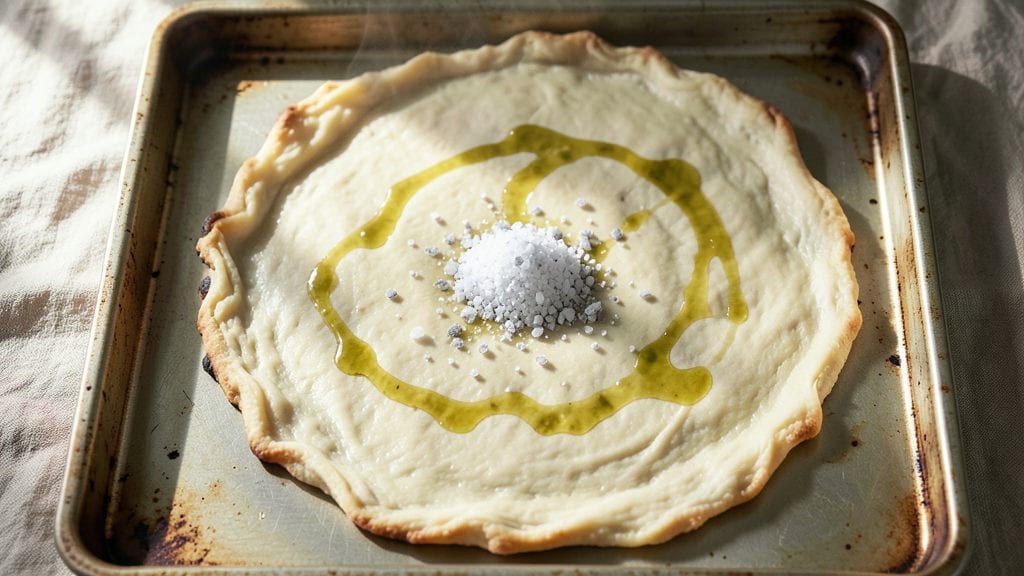
Mastering cookie sheet pizza dough that delivers crispy edges and chewy centers in just 15 minutes changed how I approach weeknight dinners forever. The secret lies in a precise dough formula and high-heat baking technique that transforms simple ingredients into restaurant-quality results.
I developed this method during a particularly hectic week when takeout just wouldn't cut it—and it's been my go-to ever since.
What makes this recipe special is its simplicity combined with professional results. You'll need just five basic ingredients, and the dough comes together in under 10 minutes before baking on a cookie sheet at 475°F—no pizza stone or specialty equipment required.
The high heat creates that perfect crispy crust while keeping the interior tender, just like your favorite pizzeria slice. This method is particularly beginner-friendly, with clear steps that ensure consistent results every time.
By the time you pull that golden, bubbling pizza from the oven, you'll have a perfectly balanced slice with crispy edges that shatter slightly and a chewy center that holds up to all your favorite toppings.
The aroma alone will have everyone gathering around the table, and the clean-up is minimal—just one sheet to wash. It's the kind of meal that transforms a simple dinner into something special without requiring hours in the kitchen.
Whether you're feeding a family or treating yourself to a solo dinner, this cookie sheet pizza dough adapts beautifully to any toppings. From classic pepperoni and mushrooms to gourmet combinations with fresh basil and prosciutto, the possibilities are endless. Let's get started on creating your perfect slice!
Ingredients for cookie sheet pizza dough
Five simple ingredients transform into crispy-edged, chewy pizza perfection in 15 minutes.
| Ingredient | Amount | Notes |
|---|---|---|
| All-Purpose Flour 🌾 | 2 ½ cups | High-protein preferred for chewiness |
| Active Dry Yeast 🍞 | ¼ tsp | Fresh yeast works too |
| Granulated Sugar 🍚 | ¼ tsp | Feeds yeast quickly |
| Diamond Crystal Kosher Salt 🧂 | ¾ tsp | Fine grain preferred |
| Extra-Virgin Olive Oil 🫒 | ½ cup | High-quality for flavor |
| Warm Water 💧 | 1 cup | 110°F for yeast activation |
| Cornmeal 🌽 | ¼ cup | For dusting cookie sheet |
| Semolina Flour 🌾 | ⅛ cup | Optional for extra crispiness |
| All-Purpose Flour 🌾 | ¼ cup | For final dusting |
| Your Favorite Pizza Sauce 🍅 | ½ cup | Store-bought or homemade |
| Shredded Mozzarella Cheese 🧀 | 1 ½ cups | Part-skim or whole milk |
| Fresh Basil Leaves 🌿 | ⅛ cup | Chopped for garnish |
| Pepperoni Slices 🍕 | ½ lb | Or your favorite toppings |
The flour is where the magic happens—King Arthur or Gold Medal work best for that perfect chew. Whole Foods bulk bins have great options if you want to splurge. For the yeast, Bob's Red Mill active dry yeast is my go-to because it's reliable. If you're using fresh yeast, use about 0.125 oz (a small cube) instead of the dry amount. The olive oil should be extra-virgin—none of that cheap cooking oil. Trader Joe's has a great affordable option that still packs flavor. And for the water, warm it to 110°F—yeast is picky about temperature. Too hot and it dies, too cold and it won't activate.
No yeast? Instant yeast at the same amount works too. Running out of olive oil? Vegetable oil or melted butter in a pinch, but olive oil gives that authentic pizza flavor. Want to skip the sugar? A pinch of honey works just as well. For toppings, pre-shredded cheese is fine—just don't overdo it. The cornmeal and semolina are optional but worth it for that extra-crispy texture. Bob's Red Mill makes great semolina flour if you want to try it. And if you're feeling fancy, fresh mozzarella melts better than the pre-shredded stuff, though it's pricier.
This dough keeps for 2 days in the fridge wrapped tightly in plastic. For longer storage, freeze the dough balls for up to 3 months—just thaw overnight in the fridge before using. The baked pizza reheats beautifully in a 350°F oven for 5-10 minutes to restore that crispy edge. I always make a double batch—one for dinner, one for lunch the next day. The leftovers freeze well too, just reheat in the oven to avoid sogginess.
Why You'll Love This Recipe
- No Yeast Nightmare: I swear by this dough because it actually comes together—no waiting hours for yeast to proof. Just mix the flour, yeast, sugar, and a splash of olive oil, let it rest while you prep toppings, and boom: ready in 30 minutes flat.
- Crispy Yet Chewy Magic: That perfect balance? All in the kosher salt and olive oil. The edges get gloriously crispy on the sheet pan while the center stays tender—no brick-like pizza crust here.
- Topping Flexibility: Marinara and pepperoni? Sure. Leftover roasted veggies? Even better. It’s the ultimate blank canvas—great for weeknight dinners, potlucks, or when you’re craving pizza but don’t want to fire up the oven.
- Budget-Friendly Leftovers: A single batch feeds four, and the dough keeps for days in the fridge. Reheat slices straight from the sheet pan—no sad, dry reheats. Honestly, it’s my go-to for lazy days when I’d rather spend $5 than $20 on takeout.
Instructions for cookie sheet pizza dough: crispy edges and chewy centers in 15 minutes
This method delivers restaurant-quality pizza with perfectly crisp edges and a chewy center—no rolling pin required.
Activate the Yeast for Maximum Rise
In a small bowl, combine the 1 cup warm water, 0.25 tsp granulated sugar, and 0.25 tsp active dry yeast. Stir gently and let sit for 5-7 minutes until frothy. You'll see bubbles forming—this confirms the yeast is alive and ready to work. If it doesn't bubble, your yeast may be dead, and you'll need to start over.
While waiting, preheat your oven to 475°F with the rack positioned in the center. This high temperature is crucial for achieving those crispy edges later. The yeast activation is the foundation of your dough's texture, so don't rush this step. The warm water should feel like bathwater—too hot and you'll kill the yeast, too cold and it won't activate properly.
Mix the Dough with Olive Oil for Chewiness
In a large mixing bowl, combine the 2.5 cups all-purpose flour and 0.75 tsp diamond crystal kosher salt. Make a well in the center and pour in the yeast mixture along with the 0.5 cup extra-virgin olive oil. Using a wooden spoon or your hands, mix vigorously until a shaggy dough forms.
Here's the thing—this dough is intentionally sticky. The olive oil creates that signature chewy texture we love in pizza dough. After mixing for about 2 minutes, the dough should pull away from the sides of the bowl but still feel tacky to the touch. If it's too dry, add 1 teaspoon warm water at a time until it reaches the right consistency.
Shape and Rest for Optimal Texture
Lightly flour a clean surface and turn out the dough. Gently shape it into a 12-inch round by pressing down with your palms. Don't overwork it—just enough to form a loose circle. Place the dough on a parchment-lined baking sheet and cover it loosely with plastic wrap.
Let the dough rest for 10 minutes while you prepare your toppings. This short rest allows the gluten to relax slightly, making it easier to handle. The dough will puff up slightly during this time—this is normal and indicates the yeast is working. I always use this time to chop my fresh basil leaves for garnish, so I'm ready when the pizza comes out of the oven.
Add Toppings and Bake for Crispy Perfection
Lightly dust the dough with the 0.125 cup semolina flour (this creates that beautiful crispy crust). Spread 0.5 cup your favorite pizza sauce evenly over the dough, leaving a ½-inch border for the crust. Sprinkle 1.5 cups shredded mozzarella cheese evenly over the sauce, then arrange the 0.5 lb pepperoni slices on top.
Bake for 12-15 minutes until the crust is deep golden brown and the cheese is bubbling. The edges should be crispy while the center remains soft and chewy. If your oven runs hot, check at the 10-minute mark—you want that perfect balance between crisp and chewy. The pizza is done when the crust pulls away from the pan easily and the cheese is fully melted.
Finish and Serve Immediately
Remove the pizza from the oven and immediately sprinkle with the 0.125 cup chopped fresh basil leaves. Let it rest for 2-3 minutes before slicing—this allows the juices to redistribute for maximum flavor in every bite. The basil adds a bright contrast to the rich tomato and cheese flavors.
Slice into 8 equal pieces and serve while hot. The crust should be crispy enough to stand up to a fork but still tender enough to tear by hand. Each slice should deliver that perfect combination of textures—crisp edges, chewy center, and gooey melted cheese. This method consistently delivers restaurant-quality results in your own kitchen, with minimal effort and maximum flavor.
Pro Tips For Making Cookie Sheet Pizza Dough
- Measure Salt Precisely: Diamond Crystal kosher salt clumps like a drama queen—tap it into the measuring spoon before scooping, or you’ll end up with a dough that’s either bland or tough. I learned this the hard way after my first batch tasted like it was missing something (it was salt). Weigh it if you’re feeling fancy, but at least level that spoon.
- Proof Yeast in Warm Water: Dump that yeast straight into flour? Big mistake. Mix it with warm water (110°F—lukewarm, not bathwater) and a pinch of sugar first, then let it bubble for 5 minutes. If it’s sluggish, your dough will be too, and you’ll be waiting twice as long for it to rise. Trust me, this isn’t the step to skip.
- Oil the Sheet First: Spread a thin layer of olive oil on the cookie sheet before rolling out the dough—this keeps it from sticking like glue when you’re flipping or sliding it into the oven. Yes, it’s one extra step, but your future self will curse you if you don’t. (And no, a drizzle over the dough doesn’t cut it.)
- Chill the Dough 30 Minutes: Skip the fridge and your dough will fight you—it’ll spread unevenly, puff up in spots, and end up with a sad, dense center. Wrap it in plastic and let it rest on the counter for 30 minutes. This isn’t lazy; it’s science. Your crust will thank you with a proper rise and a crispy edge.
Regional styles of this dish
New York Style
Inspired by classic New York slices, this version uses a slightly thicker dough with a focus on foldable, hand-torn edges. I swap the semolina for all-purpose flour and add 1 tablespoon garlic powder to the dough for depth.
Top with ½ cup marinara sauce, 1 cup shredded low-moisture mozzarella, and ¼ cup grated Parmesan. Bake at 475°F for 14 minutes—the extra cheese creates that signature stringy pull. 🍕
Chicago Deep Dish
For a cookie sheet twist on Chicago deep dish, press the dough into a 10-inch round on a well-greased sheet. Layer ½ cup pizza sauce on the bottom, then 1 cup mozzarella, ½ cup ricotta cheese, and ½ cup diced sausage.
Top with another ½ cup mozzarella and ¼ cup Parmesan. Bake at 450°F for 18-20 minutes—the lower temp prevents burning while building layers. 🧀
California Flatbread
This West Coast version skips the yeast entirely for a quick, crispy flatbread. Mix 2 cups all-purpose flour, 1 tsp baking powder, ½ tsp salt, and 3 tbsp olive oil with just ¼ cup water.
Roll out thin, then top with ¼ cup pesto, 1 cup arugula, ½ cup goat cheese, and ¼ cup sun-dried tomatoes. Bake at 475°F for 10-12 minutes—the baking powder creates a light, airy crust. 🌿
Portland Vegan Option
For my Portland followers, here's a plant-based version using King Arthur vegan pizza dough mix. Replace mozzarella with 1 cup vegan mozzarella shreds and top with ½ cup cashew ricotta, ¼ cup roasted red peppers, and ¼ cup caramelized onions.
Bake at 475°F for 12 minutes—the vegan cheese melts surprisingly well. I get all ingredients at New Seasons Market for freshness. 🌱
Italian White Pizza
This Roman-inspired version swaps tomato sauce for a garlic-infused olive oil base. Mix 3 tbsp olive oil with 2 minced garlic cloves and spread it thinly over the dough. Top with 1 cup ricotta cheese, ½ cup mozzarella, and ¼ cup prosciutto.
Bake at 475°F for 10 minutes—the prosciutto crisps beautifully. Finish with fresh basil and flaky sea salt for that authentic trattoria touch. 🇮🇹
Nutrition facts
Frequently asked questions
Can I use this dough for personal-sized pizzas instead of one large?
Divide the dough into 4 equal balls (about 6 oz each) and shape them into small rounds. Bake each on its own half-sheet pan at 475°F for 10-12 minutes. This works perfectly for lunchboxes or quick snacks.
Why does my cookie sheet pizza dough turn out dense instead of chewy?
Overworking the dough or skipping the 10-minute rest before baking are common culprits. The olive oil is key for chewiness—don't substitute with butter. Also, ensure your yeast is fresh and the water is 110°F (not boiling). Let the dough rise slightly during the rest period.
What's the best way to reheat leftover cookie sheet pizza?
Place slices on a baking sheet and warm at 350°F for 5-7 minutes to restore crispiness. For microwave reheating, cover with a damp paper towel for 20-30 seconds—just enough to melt the cheese without sogginess. Never reheat in the oven uncovered.
Can I make this dough ahead of time?
Yes! Shape the dough and refrigerate it for up to 2 days wrapped tightly. For longer storage, freeze the dough balls for 3 months. Thaw overnight in the fridge before using. The cold dough will puff up more during baking, creating an extra-crispy crust.
How do I adjust the recipe for a gluten-free cookie sheet pizza?
Replace the all-purpose flour with a 1:1 gluten-free flour blend (like Bob's Red Mill) and add 1 tsp xanthan gum if your blend doesn't contain it. Use ½ cup gluten-free bread flour for chewiness. The dough will be stickier, so work quickly and use extra olive oil. Bake at 450°F for 14-16 minutes—gluten-free crusts need more time.