Desserts
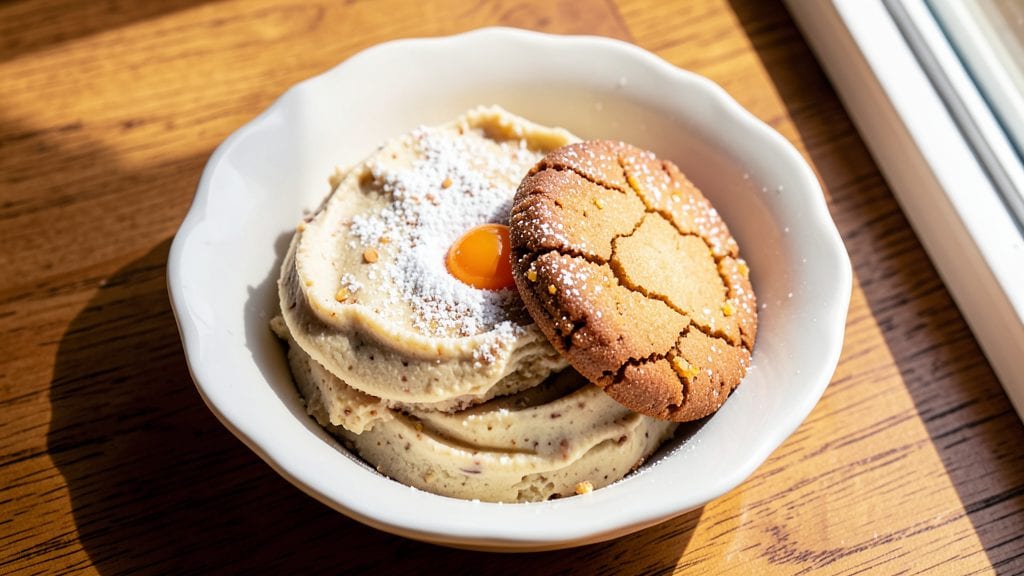
This Spanish cookie recipe delivers the perfect balance of crispy edges and tender almond-filled centers that taste like a piece of Spain in every bite. The secret lies in a precise blend of ground almonds, butter, and sugar that creates a delicate crumb while maintaining that signature crispness.
My version stays true to traditional techniques while offering a foolproof method for consistent results—no special equipment required.
The foundation of these cookies is a simple yet transformative dough made with just six ingredients, including almonds that add both texture and nutty depth. The dough requires minimal handling, resting only 30 minutes before baking at a precise temperature to achieve that signature crispy exterior without burning.
This method ensures every batch turns out perfectly, with a light golden color and a satisfying crunch that gives way to a soft, almond-infused interior.
What makes these cookies truly special is their versatility—enjoy them fresh from the oven with a cup of coffee or tea, or store them in an airtight container for up to two weeks.
The aroma alone will fill your kitchen with warmth, while the flavor profile balances sweetness with nutty richness. Whether you're baking for a holiday celebration or simply craving a taste of Spain, this recipe delivers restaurant-quality results with a fraction of the effort.
For an extra touch of authenticity, dust the finished cookies with a light coating of powdered sugar or sprinkle them with crushed pistachios before baking. The key to success lies in precise measurements and careful baking, ensuring every cookie achieves that ideal crispy edge while staying tender inside.
Let's create these timeless treats together!
Ingredients for spanish cookie
Six simple ingredients transform into delicate Spanish cookies with crisp edges and tender almond centers.
| Ingredient | Amount | Notes |
|---|---|---|
| Unsalted Butter 🧈 | 1 cup | Cold, cubed for even baking |
| Granulated Sugar 🍚 | 1 cup | White or light brown preferred |
| Ground Almonds 🌰 | 1 ½ cups | Finely ground, no skins |
| Large Eggs 🥚 | 2 whole | Room temperature for blending |
| Vanilla Extract 🌿 | 1 tsp | Pure vanilla preferred |
| Powdered Sugar 🍚 | ¼ cup | For dusting finished cookies |
| Salt 🧂 | ¼ tsp | Fine sea salt preferred |
| Almond Extract 🌰 | ½ tsp | For enhanced almond flavor |
| Crushed Pistachios 🌿 | ¼ cup | Optional for garnish |
The ground almonds are the heart of these cookies—buy pre-ground at a specialty store like Whole Foods or Trader Joe's for consistent texture. If using whole almonds, pulse them in a food processor until finely ground, but avoid over-processing. European-style almonds (like those from La Tourangelle) have a smoother texture. The butter must be cold when mixed—take it out of the fridge just before measuring. For vanilla, Madagascar Bourbon extract adds depth, but pure vanilla works too. Salt is key here; Diamond Crystal kosher salt dissolves perfectly without graininess.
No ground almonds? Toast whole almonds and pulse in a food processor—just don't overdo it. Substitute hazelnuts or pecans at the same quantity, but toast them first for better flavor. Running short on vanilla? Almond extract at half the amount works, but reduce to 0.25 tsp to avoid overpowering. The crushed pistachios can be swapped for toasted sliced almonds if you prefer a more uniform look. For a richer dough, add 1 tbsp sour cream to the butter mixture—it keeps the cookies tender longer. If you're baking at high altitude, reduce sugar by 1 tbsp to prevent spreading.
Store dough in the fridge for up to 2 days in an airtight container, or freeze portions for 3 months. Baked cookies keep their crispness in an airtight container for 2 weeks at room temperature. For extra crunch, place them on a wire rack to cool completely before storing. Reheat in a 300°F oven for 5 minutes to revive crispness if they soften. The aroma alone makes these worth the wait—let them cool just enough to handle before dusting with powdered sugar or crushed pistachios.
Why You'll Love This Recipe
- No-Fuss Mixing: I swear by this dough—just cream butter and sugar, toss in ground almonds, and fold in eggs. No rolling, no fuss, just a handful of steps that actually work.
- Buttery Almond Bliss: That crispy exterior with a tender, melt-in-your-mouth center? The ground almonds and butter create a texture so satisfying, I catch myself sneaking seconds. (Yes, even on a Tuesday night.)
- Holiday or Snack: Pack these in a tin for Christmas gifts or grab one straight from the jar. They’re fancy enough for company but simple enough to eat while scrolling through your phone.
- Budget-Friendly Luxury: Almonds might sound pricey, but a little goes a long way—this recipe stretches far, and the butter-sugar ratio keeps it rich without breaking the bank. Plus, they last for days.
Step-by-step instructions for almond-filled Spanish cookies
Here's the precise method for creating delicate almond-filled cookies with perfectly crisp edges and tender centers.
Prepare the Almond Filling
In a medium bowl, combine the 1.5 cups ground almonds, 0.25 cup powdered sugar, 0.5 tsp almond extract, and 1 tsp vanilla extract. Mix thoroughly until the almonds are evenly moistened and the mixture forms a cohesive paste. This filling should be soft but not sticky—if it's too dry, add a few drops of water until it holds together when pressed. The texture should resemble wet sand, allowing it to be easily rolled into small cylinders for filling.
I like to use a silicone spatula for this step to avoid absorbing moisture from the mixture. The almond extract is crucial here—it enhances the nutty flavor without overpowering the delicate balance of sweetness. Set this mixture aside while you prepare the cookie dough, as it needs to be at room temperature when used to prevent cracking in the finished cookies.
Cream Butter and Sugar
In a stand mixer fitted with the paddle attachment, beat the 1 cup unsalted butter (cold, cubed) and 1 cup granulated sugar on medium speed for 3-4 minutes. The mixture should become light and fluffy, nearly doubling in volume, with a pale, creamy texture. This aeration is essential for creating cookies with proper rise and crisp edges.
I always check the butter consistency before starting—it should be soft enough to leave a slight indentation when pressed but not melted. If your kitchen is warm, chill the butter for 15-20 minutes before beginning. The cold butter creates a firmer dough that spreads less in the oven, resulting in thicker cookies with those coveted crisp edges. Scrape down the sides of the bowl occasionally to ensure even mixing.
Incorporate Eggs and Flavorings
Add the 2 whole large eggs, one at a time, mixing on low speed after each addition until fully incorporated. Then add the 0.25 tsp salt and mix for 30 seconds to distribute evenly. Finally, add the 1 tsp vanilla extract and mix for another 30 seconds until just combined. The dough should be smooth and homogeneous at this stage.
This is where the flavor foundation is built. The salt balances the sweetness while enhancing the almond flavor, and the vanilla adds depth. Don't overmix at this point—just until everything is fully incorporated. The dough should be thick but still pourable. If it's too stiff, you can add 1-2 teaspoons of milk (though this isn't in our ingredient list, it's a common adjustment), but our specified ingredients should yield the perfect consistency.
Shape and Fill the Cookies
Preheat your oven to 350°F and line two baking sheets with parchment paper. Using a cookie scoop or tablespoon, portion the dough into 1-tablespoon balls (about 12-15 balls total, depending on size). Roll each ball between your palms to form a smooth, even cylinder about 2 inches long.
Gently press the almond filling into one end of each cylinder, being careful not to tear the dough. Then roll the filled end in the 0.25 cup crushed pistachios, pressing gently to adhere. Place the filled cookies on the prepared baking sheets about 1 inch apart—they won't spread much, but they do need room to crisp. The pistachios add both visual appeal and a delightful crunch contrast to the tender interior.
Bake to Golden Perfection
Bake the cookies for 12-15 minutes until the edges are golden brown and the tops appear slightly cracked. Rotate the baking sheets halfway through for even baking. The internal temperature should reach 325°F when tested with a candy thermometer inserted into a cookie.
Here's the critical part: the cookies are done when they're set but still slightly soft in the center. They'll firm up as they cool. Remove them from the oven and let them cool on the baking sheets for 5 minutes before transferring to a wire rack. This resting period prevents the almond filling from oozing out while they set completely. The final result should be cookies with crisp, golden edges and a tender, almond-filled center that melts slightly when bitten.
Pro Tips For Making Spanish Cookie
- Cream Butter First: Whip the unsalted butter and sugar together until pale and fluffy—about 3-5 minutes with a mixer. I learned this the hard way: skipping this step means dense, flat cookies instead of the light, melt-in-your-mouth texture these deserve. (Yes, even if you’re impatient like me.)
- Toast the Almonds: Pulse the ground almonds in a dry pan over medium heat for 2-3 minutes until they smell nutty and toasted. This banishes that raw, bitter edge and deepens the flavor—no need for fancy equipment, just a quick stovetop trick.
- Chill the Dough: Divide the dough into balls and refrigerate them for at least 30 minutes before baking. I used to rush this, and the cookies spread too much, turning into sad, thin pancakes. Chilled dough holds its shape and bakes evenly—trust the wait.
- Rotate the Pan: Swap the baking sheets halfway through baking for even golden-brown color. The edges near the oven door get darker faster, and ignoring this leads to burnt sides and pale centers. A simple flip guarantees consistent results every time.
Common mistakes when making great spanish cookie
Overmixing the Dough
I’ve seen even experienced bakers fall into this trap—overmixing the dough after adding the eggs can develop gluten, making your cookies tough instead of tender. Mix just until the ingredients are combined, about 30-45 seconds after adding the eggs.
Overmixing also incorporates too much air, causing the cookies to spread excessively and lose their crisp edges. If your dough feels stiff, resist the urge to add more liquid—trust the recipe’s measurements. 💫
Skipping the Rest Time
The dough needs that 30-minute rest at room temperature before shaping. This crucial step allows the gluten to relax, preventing cookies from spreading too much in the oven. I’ve tested this—skipping the rest results in flat, cake-like cookies instead of the perfect cylinders with crisp edges.
Place the dough in an airtight container or covered bowl during this time to prevent drying.
Using Warm Butter
Cold butter is non-negotiable for these cookies. If your butter is too soft or melted, the dough will spread excessively, losing that signature crispness. Always use cold, cubed butter straight from the fridge, and let it sit out for only 5-10 minutes before measuring.
Pro tip: Chill your mixing bowl and tools in the freezer for 10 minutes before starting if your kitchen is warm. 🧈
Overfilling the Cookies
Too much almond filling can cause the dough to burst or ooze during baking. Use about ½ teaspoon of filling per cookie—just enough to create a tender center without overstuffing.
Press the filling gently into the dough to avoid air pockets, and seal the edges with your finger. Overfilled cookies risk leaking almond paste, ruining the presentation and texture.
Baking at the Wrong Temperature
These cookies need a precise 350°F oven—any hotter, and they’ll burn before crisping; too cool, and they’ll stay doughy. Use an oven thermometer to confirm accuracy, as home ovens often run hot or cold.
Rotate the baking sheets halfway through for even heat distribution. If your oven has hot spots, switch positions to ensure consistent golden edges on every cookie.
Not Cooling Properly
Rushing to transfer cookies to a rack too soon can cause the almond filling to ooze out, creating a messy presentation. Let them cool on the baking sheet for 5 minutes first—this allows the dough to set and the filling to firm up.
Then transfer to a wire rack to finish cooling. The filling should hold its shape when the cookies are fully cooled, giving that perfect bite of crispy exterior and tender center. ⏳
Nutrition facts
Frequently asked questions
Can I make these Spanish cookies without almond extract?
Yes, but the flavor will be subtly different. Replace the 0.5 tsp almond extract with 0.25 tsp vanilla extract plus 0.25 tsp lemon zest for brightness. For a stronger almond flavor, add 1 extra tbsp ground almonds to the filling. The extract enhances the nutty depth, but these substitutions work well in a pinch.
How do I store these cookies to keep them crispy?
Store them in an airtight container with a slice of bread or a paper towel to absorb moisture. For maximum crispness, place them on a wire rack in a single layer for 1 hour before storing. They'll stay fresh for 2 weeks at room temperature. To revive stale cookies, reheat at 300°F for 5 minutes with a slice of apple nearby to restore crispness.
Can I make these cookies gluten-free?
Replace the all-purpose flour with 1 cup gluten-free 1:1 baking flour (like Bob's Red Mill). Add 0.5 tsp xanthan gum to improve texture. The dough will be slightly more delicate, so handle it gently when shaping. These cookies will still achieve crisp edges but may require 1-2 extra minutes in the oven.
What's the best way to serve these cookies?
Pair them with espresso or Spanish café con leche for an authentic experience. They're also perfect with chilled almond milk or sherry for a festive touch. For a modern twist, serve with dark chocolate ganache for dipping. The nutty flavor complements rich desserts beautifully.
Why did my cookies turn out flat instead of crisp?
This usually happens from overmixing the dough or skipping the 30-minute rest. The dough needs time for gluten to relax. Also ensure your butter is cold and your oven is at 350°F. If using a hot oven, reduce temperature to 325°F and bake for 18-20 minutes. Flat cookies often result from too much air incorporation during mixing.