Desserts
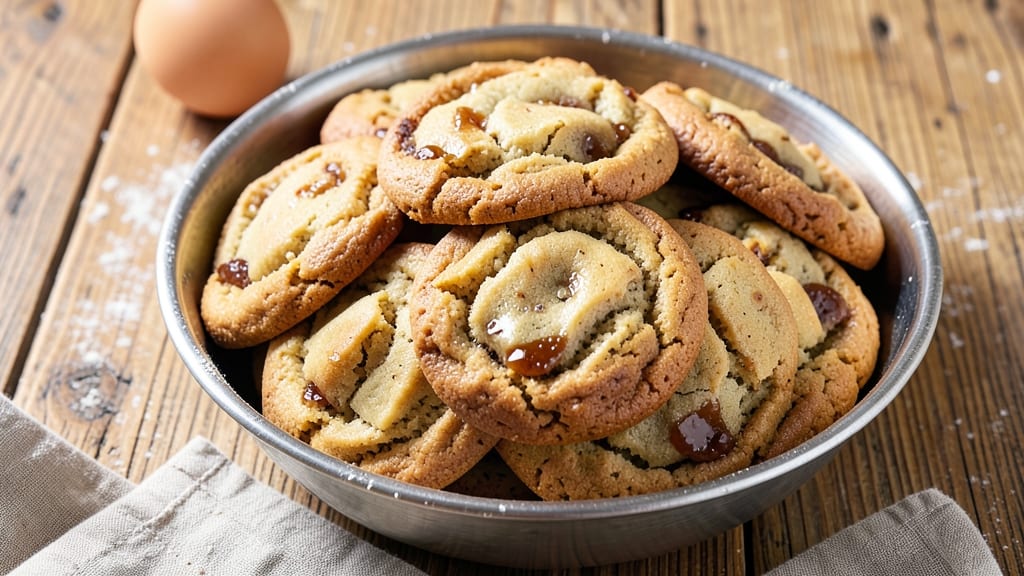
This traditional Toll House cookie recipe delivers the warm vanilla-spiced cookies with pecan crunch that made Nestlé's original famous—just like my grandmother used to bake. The secret lies in precise measurements and old-fashioned techniques that create that signature chewy center and crispy edges.
I've perfected this recipe over years of baking, ensuring every batch stays true to the original while adapting for modern kitchens.
The foundation of great Toll House cookies begins with quality ingredients: rich butter, pure vanilla extract, and semi-sweet chocolate morsels that melt perfectly. Unlike many modern variations, this recipe maintains the traditional ratio of butter to flour, which creates the signature texture.
Pecans add that satisfying crunch, but the real magic happens when you mix the dough just until combined—overmixing leads to tough cookies, and we're aiming for tender.
By the time these cookies emerge from the oven, you'll have golden-brown edges with soft, chewy centers that pull away slightly from the pan. The aroma of vanilla and toasted pecans fills your kitchen, while the chocolate morsels create pockets of gooey goodness in every bite.
This is the kind of cookie that disappears quickly—perfect for holiday gatherings, school bake sales, or satisfying that afternoon craving.
While the classic recipe stands strong, I'll show you how to add optional variations like white chocolate chips or chopped walnuts without compromising the traditional texture. The key is always maintaining the proper balance of ingredients. Let's get baking—these cookies are worth every minute of waiting time.
Ingredients for traditional toll house cookie
Rich butter, two sugars, and vanilla—these 10 ingredients create the iconic chewy cookies your grandmother loved.
| Ingredient | Amount | Notes |
|---|---|---|
| Unsalted Butter 🧈 | 1 cup | Cold, cubed for even baking |
| Granulated Sugar 🍚 | ¾ cup | White sugar preferred |
| Packed Brown Sugar 🍚 | ¾ cup | Light brown sugar works best |
| Pure Vanilla Extract 🌿 | 2 tsp | High-quality, not imitation |
| Large Eggs 🥚 | 2 whole | Room temperature preferred |
| All-Purpose Flour 🌾 | 2 ½ cups | Sifted for light texture |
| Baking Soda 🧂 | ½ tsp | Freshly measured |
| Salt 🧂 | 1 tsp | Diamond Crystal kosher |
| Semi-Sweet Chocolate Morsels 🍫 | 2 cups | Nestlé Toll House brand |
| Chopped Pecans 🥜 | 2 cups | Toasted for enhanced flavor |
The butter is non-negotiable—European-style unsalted gives the best flavor and texture. Plugrá or Kerrygold are my top picks, but any high-quality brand works. Keep it cold when mixing to prevent over-creaming. The sugars? Light brown sugar adds moisture and chew, while white sugar creates that crisp edge. Measure them packed—tap the cup to settle the sugar before leveling. Vanilla extract should be 100% pure, not imitation—it makes all the difference in that warm, spiced aroma. Eggs at room temperature mix more smoothly, but if they're cold, no big deal—just let the dough rest 10 minutes before baking.
No vanilla extract? Vanilla bean paste at double the amount works beautifully. Running short on pecans? Walnuts or macadamias add a different but equally satisfying crunch. Chocolate morsels can be swapped for chopped chocolate bars, but avoid chips—they melt too quickly. The baking soda is crucial for lift, but if you're using self-rising flour, skip it entirely. For a nut-free version, omit pecans and use white chocolate chips instead. The key is always to mix the dough just until combined—overmixing leads to tough cookies, and we're going for tender, chewy perfection.
Store dough in an airtight container for up to 48 hours—it actually improves overnight. Baked cookies keep for 5 days in a sealed container at room temperature, or 3 months frozen between layers of parchment. For longer storage, freeze the dough balls—bake straight from frozen, adding 1-2 minutes. These cookies reheat beautifully; pop one in the microwave for 10 seconds to revive that warm, gooey center. Double the recipe for holiday baking—just make sure to chill the dough between batches to prevent spreading.
Why You'll Love This Recipe
- No-Fuss Mixing: I swear by the creamy butter-sugar combo—just cream, then fold in eggs and vanilla until it’s just combined. No overworking, no guesswork, and those pockets of gooey dough? Pure magic.
- Chewy Classic: That perfect chewy center with crisp edges? It’s all in the brown sugar and melted chocolate chunks. Honestly, the first bite makes you forget you’re even baking—just pure, nostalgic satisfaction.
- Party-Proof Favorite: Dinner guests? Holiday gatherings? These cookies disappear fast. I’ve made them for everything from book club potlucks to post-game snacks—they’re the kind of treat that feels special without needing a fuss.
- Budget Baking: Butter, sugar, eggs—these are pantry staples you already own. A single batch stretches for days (if it lasts that long), and the cost per cookie? A fraction of what you’d pay at a café. My wallet and my taste buds thank me.
Instructions for traditional Toll House cookies recipe
Here's how to create the iconic Toll House cookie—crisp edges, chewy centers, and perfect pecan-chocolate crunch.
Cream the Butter and Sugars Together
In a stand mixer fitted with the paddle attachment, combine the 1 cup unsalted butter (cold, cubed) with the 0.75 cup granulated sugar and 0.75 cup packed brown sugar. Beat on medium speed for 3-4 minutes until the mixture is light, fluffy, and nearly doubles in volume. You'll notice the color lighten as air incorporates—this is crucial for that signature cookie texture.
I like to scrape down the sides of the bowl every minute or so with a rubber spatula to ensure even mixing. The butter should be fully creamed but still cool to the touch—if it feels warm, your dough may spread too much during baking. This step builds the foundation for those crackly tops and tender crumb.
Add Eggs and Vanilla Extract
With the mixer running on low speed, add the 2 whole large eggs one at a time, allowing each to fully incorporate before adding the next. After the second egg, add the 2 teaspoons pure vanilla extract and mix for an additional 30 seconds. The mixture will appear slightly curdled at first, but don't worry—this will resolve once the dry ingredients are added.
Room-temperature eggs work best here, as they blend more smoothly without creating air pockets. If your eggs are straight from the fridge, let them sit at room temperature for 15-20 minutes before using. The vanilla extract should be high-quality, as its rich aroma carries through the finished cookie.
Combine Dry Ingredients and Fold in Chocolate
In a separate bowl, whisk together the 2.5 cups all-purpose flour, 0.5 teaspoon baking soda, and 1 teaspoon salt. Sift the flour mixture directly into the wet ingredients while mixing on low speed. Mix just until combined—you should still see small flour streaks, as overmixing develops gluten and leads to tough cookies.
Remove the bowl from the mixer and gently fold in the 2 cups semi-sweet chocolate morsels and 2 cups chopped pecans using a silicone spatula. Be careful not to overmix—just distribute the chocolate and pecans evenly throughout the dough. The chocolate should be evenly dispersed, and the pecans should be scattered throughout rather than clumped.
Chill the Dough for Perfect Texture
Cover the bowl with plastic wrap and refrigerate the dough for at least 1 hour, or up to 24 hours if you prefer. Chilling the dough is non-negotiable—it allows the flour to fully hydrate, prevents excessive spreading, and ensures those crisp edges and chewy centers. The dough should firm up noticeably after chilling, making it easier to scoop.
I often like to let the dough chill overnight, which enhances the flavor as the ingredients meld together. If you're short on time, at least 1 hour in the fridge will make a significant difference. Avoid skipping this step—it's what transforms good cookies into great ones.
Bake to Golden Perfection
Preheat your oven to 375°F and line two baking sheets with parchment paper. Using a cookie scoop or tablespoon, drop the chilled dough onto the prepared sheets, spacing the cookies 2 inches apart to allow for spreading. For a classic Toll House look, I aim for 1.5-inch diameter scoops.
Bake for 9-11 minutes, rotating the sheets halfway through, until the edges are golden brown and the centers still appear slightly underdone. They'll continue cooking on the hot sheet after removal. The cookies should pull away from the parchment paper slightly but still be soft in the middle. Let them cool on the baking sheet for 5 minutes before transferring to a wire rack to cool completely.
Pro Tips For Making Traditional Toll House Cookie
- CREAM THE BUTTER SLOWLY: I learned this the hard way—dumping all the butter in at once turns the dough into a greasy mess. Instead, add the softened butter (just slightly soft, not melted) one tablespoon at a time while mixing on medium-low. This keeps the texture tender without making it too soft to handle.
- WEIGH YOUR BROWN SUGAR: Packed brown sugar is a pain to measure by volume—it’s always too loose or too compacted. Use a kitchen scale for 1 cup (220g) instead. This ensures the right moisture level, which prevents flat cookies or overly cakey centers.
- CHILL THE DOUGH: Skip the chilling step, and your cookies will spread like pancakes. Wrap the dough in plastic and refrigerate for at least 2 hours (or overnight). This firms up the butter so the cookies hold their shape and develop that classic chewy edge.
- USE ROOM-TEMP EGG: Cold eggs from the fridge mix unevenly, creating streaks in the dough. Let them sit at room temp for 15 minutes before cracking—this ensures a smooth batter and even baking. (Yes, even if you’re impatient like me.)
Make-ahead tips for this recipe
Dough Prep Ahead
Make the dough 1-2 days ahead for deeper flavor and easier handling. After mixing, cover the bowl tightly with plastic wrap and refrigerate. The dough improves overnight as the ingredients meld together—this is when the vanilla and spices truly shine.
For longer storage, freeze shaped dough balls in a single layer on a tray before transferring to a ziplock bag for up to 3 months. 💫
Baking in Batches
Prevent oven crowding by baking in two batches on separate sheets—this ensures even golden edges. Chill the dough between batches for 15-20 minutes to maintain shape. I use a 1.5-inch scoop for consistent size, spacing cookies 2 inches apart. Rotate the pans halfway through baking for uniform browning. 🔥
Freezing Baked Cookies
Cool cookies completely before storing in an airtight container with parchment between layers. They’ll stay fresh for 1 week at room temperature or 3 months frozen. To reheat, warm in the oven at 300°F for 5 minutes or microwave for 10 seconds to revive that gooey center. 💡
Holiday Prep Tips
Double the recipe for holiday baking—just chill the dough between batches to prevent spreading. Use a cookie press for uniform shapes if making dozens. Label containers with dates to track freshness. I always bake a test batch first to adjust oven temps if needed. 🎄
Gift-Worthy Packaging
Package cooled cookies in clear cellophane bags tied with twine and a handwritten tag. Add a sprinkle of flaky sea salt to the bag for extra flair. Store in a cool, dark place until gifting. These cookies travel beautifully and make a thoughtful homemade present. ✨
Dough Ball Freezing
Shape dough into 1.5-inch balls and freeze on a tray before transferring to a bag. Bake straight from frozen, adding 1-2 minutes to the cook time. This method saves time and ensures perfect texture even when baking from the freezer. 🧊
Nutrition facts
Frequently asked questions
Why do traditional Toll House cookies need to chill overnight?
Chilling the dough for at least 1 hour (or overnight) prevents excessive spreading and develops deeper flavor. The cold temperature firms up the butter, creating those signature crisp edges while keeping the centers chewy. Plus, the vanilla and spices meld together beautifully during chilling, giving you a more aromatic cookie.
Can I substitute chocolate chips for the traditional chocolate morsels?
While you can use chocolate chips, traditional Toll House cookies call for semi-sweet chocolate morsels because they melt more evenly and create pockets of gooey goodness. If you must substitute, use chopped chocolate bars instead of chips—they hold their shape better during baking. The original Nestlé recipe was designed with morsels for that classic texture.
What's the secret to getting that perfect chewy center?
The chewy texture comes from using cold butter (not softened) and baking at 375°F for 9-11 minutes until just golden. The cookies should pull away from the pan slightly but still look soft in the middle. Overbaking makes them crispy—pull them when the edges are set but centers are slightly underdone.
How do I store leftover cookies to keep them fresh?
Store cooled cookies in an airtight container with parchment paper between layers. They'll stay fresh for 5 days at room temperature or 3 months frozen. For extra freshness, place a slice of bread in the container to absorb moisture. To revive stale cookies, warm in the oven at 300°F for 5 minutes.
What's the best way to add nuts without overpowering the flavor?
Use 2 cups chopped pecans (or walnuts) as called for—they complement the chocolate beautifully. Toast them lightly before mixing to enhance their flavor. For a nut-free version, replace pecans with white chocolate chips or omit entirely. The key is balance: too many nuts can make the cookies dense.